Legal Hurdles for NGOs
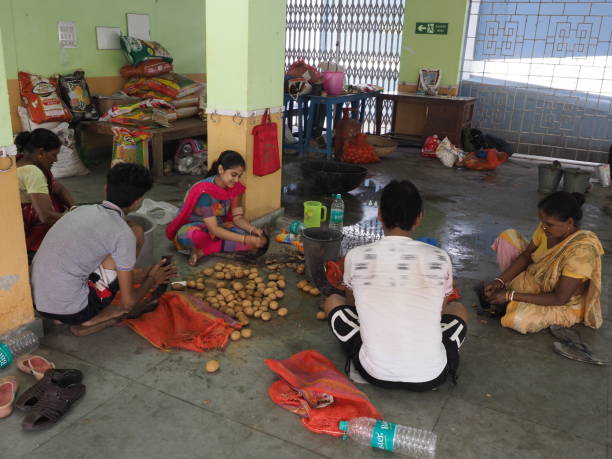
Non-Governmental Organizations (NGOs) have turned saviors for tens of millions of individuals in India. From educating poor youngsters to offering well being care in distant areas, from programmer to feed malnourished youngsters to disaster relief, NGOs bridge gaps and function in locations the place authorities assist doesn’t typically attain.
Behind their humanitarian commitments nonetheless, is a authorized labyrinth. It would seem straightforward to run an NGO from the skin, however authorized compliance prices time, cash and experience. Advanced necessities about registration, fund-raising, taxation, labor guidelines and reporting ceaselessly eat up appreciable sources that may in any other case be spent on social packages.
The state of affairs is additional sophisticated by the distinction between rural and concrete NGOs. Each are tackling noble causes, however some have it more durable due to variations in services, sources, funding alternatives and ranges of consciousness.
This text examines Legal Hurdles for NGOs: Rural Vs Urban India intimately. We’ll look into why these legal guidelines exist, rural and concrete group points, some case research on the problems and options that would exist in order that the authorized setting for NGOs throughout India may hereby be extra facilitative.
The Legal Guidelines that Govern NGOs Are There for a Purpose
Earlier than we get to the obstacles, you’ll want to perceive why there are NGO legal guidelines within the first place. There are various justifications that authorities provides on why they go legal guidelines:
- Avoiding fund misuse: Donations, notably from international sources, must be traced to thwart the funnelling of cash doubly-undersigned or to assist unlawful operations.
- Selling transparency: Donors and stakeholders need to see cash attain the supposed targets moderately than funding luxurious administration.
- Making certain accountability: Codified regulation supplies unambiguous requirements for registration, reporting, and monetary examination with the promise of holding NGOs accountable to authorities in addition to to the general public at massive.
Though worthy, the complexities of the strategy usually created undue burdens, particularly for rural NGOs with an off-the-cuff consciousness of and little sources to deal wit~1 authorized points. This act of balancing or juggling the function of regulating with out suffocating the very people who find themselves a part of the labour drive is on the coronary heart of Legal Hurdles for NGOs Legal Hurdles for NGOs: Rural vs Urban India.
Registration: The First Massive Legal Transfer
For an NGO in India to function in a legit method, it must be registered below any one of many following three most important authorized buildings:
- Belief by the Indian Trusts Act
- c Society below Societies Registration Act
- Firm not for revenue below the Firms Act
Urban vs Rural Experiences
- Urban NGOs: It’s simpler to register within the metropolis as communication is simpler with higher web community, entry to legal professionals, and on-line portals for registration. With skilled help, many city NGOs can end the steps in as little as a couple of weeks.
- Rural NGOs: Registration is usually delayed in villages on account of lack of web, authorized literacy and legal professionals who’re conversant with NGO legal guidelines. Some rural teams work unofficially for years, earlier than they obtain official standing.
That is the primary massive distinction in Legal Hurdles for NGOs: Rural vs Urban IndiaLegal Hurdles for NGOs the place registration paths are longer and extra advanced for rural NGOs.
Fundraising Guidelines and Monetary Restrictions
After registering, NGOs may have cash to function faculties, well being camps, or diet packages. However rallying may be its personal form of laborious.
Rural NGOs
Depend upon small, native donations or authorities grants.
- Can seldom faucet company or international funds, on account of strictures such because the International Contribution Regulation Act (FCRA).
- Absence of workers professionally ready submission for large-scale financing wants.
- So, once more, many rural NGOs are small-size due to lack of cash.
Urban NGOs
Achieve elevated entry to CSR (Company Social Accountability) cash of corporations and worldwide companies.
However more cash attracts extra thorough audits and better scrutiny, requiring skilled monetary administration methods.
So, on the one hand, we’ve the issues of scarcity of funds for the agricultural NGOs as in opposition to compliance value for city NGOs (each in 🙂 Rural vs Urban India however in several methods.
Land and Property Permissions
Lots of NGOs want land for faculties, hospitals, orphanages or neighborhood facilities.
- Rural India: Land is cheaper however disputes over possession and poor report maintaining sluggish clearance. The legal guidelines fluctuate from state to state, additional including to the confusion.
- Urban India: Land is dear, and zoning can add extra obstacles. And even when N.G.O.s do have money, development permissions or land-use change permits take months or years.
So, rural NGOs are topic to bureaucratic maintain ups, whereas city NGOs must cope with costly rents and zoning restrictions, each entailing authorized obstacles in a distinct method.
Employment and Labor Regulation Challenges
Academics, docs, social employees, and accountants in addition to administrative workers are additionally employed by NGOs. Any employer who doesn’t pay not less than the minimal wage can be in violation of India’s labor legal guidelines governing minimal wages, security requirements, advantages and contracts.
Rural NGOs: Generally with out HR division, should not taken nicely care by regulation. Most informally rent native workers with no formal contracts.
Urban NGOs: Adhere to labor legal guidelines extra strictly however have greater pay buildings and labor courtroom circumstances on account of larger worker power.
From rural to city India –it’s cities are on TREE CUTTER-ll Indiaiarm.
Tax Legal guidelines and Compliance
The tax advantages of exemption below sections 12A and 80G of the Earnings Tax act, for claiming deductions from their taxable earnings, promote philanthropy. However getting and maintaining these exemptions comes with paperwork and audits.
Rural NGOs: They face the problem of reaching out to chartered accountants and monetary advisers who should not unfold evenly in rural areas.
UrbanishNGOs: Outsource to compliance firmsProfessional companies might be employed to conform however might be scrutinised longer and tougher as their budgets are bigger.
Thus, rural NGOs are useful resource pressed and concrete NGOs are burdened with complexity and heavy documentation necessities.
Obligatory Reporting and Audits
Each NGO is required to not solely present yearly monetary accounts and audit stories — but additionally an account of actions — to stay credible in Indian authorities’s eyes.
Rural non-profits: With little or no web, under-trained workers, and lack of expertise, it is troublesome to fulfill deadlines or preserve licenses from being revoked.
Urban NGOs: You may report on time, however are ceaselessly audited, ensuing within the related excessive administrative value for skilled audits.
This compliance difficulty continues to be one of many largest Legal Hurdles for NGOs: Rural vs Urban India because it impacts each funding and working legitimacy.
Case Research: Actual-Life Experiences
Gram Vikas Parishad – Rural Maharashtra encouraging the youth to become involved within the drive.
Now this NGO from a rural space is working in water and sanitation. Final yr, on account of delays in FCRA licence renewal, international funding was blocked for practically a yr they usually needed to cease their initiatives at a time of utmost drought.
Smile Basis – Urban Delhi
A longtime NGO lively in city areas, the Smile Basis organises in depth programmes in schooling and well being. Though they’re beneficiary of big CSR cash, there’s heavy monetary audits carried out at every challenge, which is including as much as disproportional improve in administrative worth and documentation value.
Each situations present that there are authorized obstacles in all places and that rural and concrete NGOs are impacted otherwise.
Know-how as a Recreation-Changer
NGO compliance is step by step going digital:
- On-line registration methods quick observe the approval course of however all rural NGOs additionally observe their challenge with on-line methods.
- NGO accounting has by no means been really easy with accounting software program at your disposal.
- Webinars on legal guidelines, tax guidelines and documentation prepare rural workers members to be legally compliant.
- Digital Signatures and e-filing lower the paperwork and the journey bills.
Know-how is narrowing the rural-urban divide in Legal Hurdles for NGOs by making it quicker, cheaper and extra clear.
Authorities Reforms and Coverage Help
Current reforms are starting to fix the state of affairs:
- Some states have single-window clearance methods for NGO registration.
- Eased FCRA norms for small entities.
- Internet-based avenues offering functions and renewals for tax exemption.
Future reforms, equivalent to centralized reporting methods, and cuts in crimson tape may additionally make Legal Hurdles for NGOs : Rural vs Urban India much less overbearing.
Function of Legal Assist Teams
Some regulation faculties and authorized support teams now present authorized companies to NGOs on a pro-bono foundation. They help with:
- Registration paperwork
- FCRA compliance
- Tax exemption functions
- Labor regulation consciousness
This backing allows small rural NGOs to take care of authorized standing and keep away from investing important sources in authorized prices.
Way forward for NGOs in India
Specialists predict:
- Extra streamlined, digital authorized pathways for all NGOs within the subsequent 10 years.
- Extra stringent audits for city NGOs with better funding.
- Further coaching for rural NGOs on compliance and monetary administration.
Legal Hurdles for NGOsCutting by means of the crimson tape : Rural vs Urban India will allow the organizations to focus on what they’re there to do—assist individuals and never combat for the report/file.
Conclusion
The Legal Hurdles for NGOs: Rural vs Urban India seize how legal guidelines impression all NGOs otherwise.
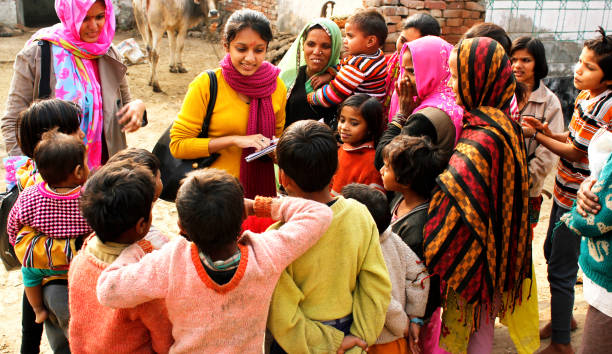
Rural NGOs face these obstacles of consciousness, connectivity and availability of authorized specialists.
“Urban NGOs endure from excessive prices, tight auditing and complex monetary guidelines.
These obstacles may be considerably decreased with options equivalent to digital instruments, authorized support companies and fewer advanced authorities processes. The lives of tens of millions of individuals throughout India might be saved and improved when NGOs spend much less time shuffling papers and extra time getting initiatives carried out. A strong, regulation abiding civil society sector will set up a greater, fairer future for the nation.
FAQs
Why do rural NGOs have extra authorized issues than city NGOs?
It’s because there are not any legal professionals in rural locations, there isn’t a web, there isn’t a program of consciousness, so it turns into very troublesome to adjust to legal guidelines.
What are the methods for a NGOs to deal with the authorized challenges?
Via on-line registration portals, attending authorized workshops and consulting authorized support societies or professionals.
Are city NGOs much less challenged as a result of they’re higher resourced?
Not all the time. Nonetheless, city NGOs take pleasure in better alternatives for funding sources and skilled sources and face stronger auditing, extra compliance prices and complex monetary report.
Can know-how cut back Legal Hurdles for NGOs?
Sure. Already, on-line portals, accounting software program and digital coaching classes make issues faster and simpler for each rural in addition to city NGOs.
Which governmental reforms can come to the help of NGOs?
Single-window clearances, FCRA simplification, consolidation of reporting and on-line tax exemptions will go a good distance in decreasing authorized hurdles in future.