Yogesh Mahajan

Gross Profit vs Net Income: What’s the Difference?

When employers discuss compensation packages or employees evaluate job offers, gross income is typically the figure used. However, net income determines what you can actually spend on rent, groceries, and savings each month. The gap between these two numbers can be substantial, sometimes 20 to 30 percent or more depending on your situation. Gross income is the total revenue a business generates from goods and services sold, minus the cost of goods sold (COGS). It’s often referred to as gross because it’s the earnings before you touch operating expenses, taxes, or overhead like marketing costs or utility bills. Gross income gives you a clear look at your business’s production and labor costs compared to the sales revenue, a first snapshot of your company’s profit potential. Gross Income Vs. Net Income: Differences and How to Calculate Net income is the money a company has left over after paying all its expenses. It usually appears at the bottom of the income statement, earning it the name “the bottom line,” and essentially reflects a company’s profit, that is, the income it gets to keep. It’s used to assess how well a company manages its production and labor costs. Net income, meanwhile, is a company’s actual profit or what it is left with after all expenses are subtracted from revenue. It’s the income from sales of the business, after deducting sales returns and allowances (discounts). For a bookstore, that could include the costs of procuring the books sold, the shipping costs if they were bought online, and the wages paid to staff serving customers in the store. While gross income provides a snapshot of earning potential, net income reveals the practical, usable funds available. The gap between these two numbers can be substantial, sometimes 20 to 30 percent or more depending on your situation. A bank account interest, inheritance from a relative or friend, dividends, and gambling winnings are additional sources of gross income that you should also include in your tax report. How to Calculate Net Income Expect this trend to accelerate as financial wellness becomes a more prominent employee benefit. Understanding the mechanics of gross to net conversion empowers you to make strategic decisions that increase your actual take-home amount. These best practices help both employees optimize their earnings and employers design more effective compensation structures. The other mystery on your W-2 is why your Social Security wages differ from your actual pay. Why is net income typically lower than gross income on a company’s income statement? For investors, gross profit is used to compare the efficiency of similar companies. Compared to high-tax states, freelancers in Florida or Nevada benefit from the absence of state income tax, giving them a higher percentage of take-home pay. Get $30 off a tax consultation with a licensed CPA or EA, and we’ll be sure to provide you with a robust, bespoke answer to whatever tax problems you may have. The other mystery on your W-2 is why your Social Security wages differ from your actual pay. If you don’t have much net income remaining after your necessary expenses, there are a few things you can do. All the Articles in the Feed are Real Perspectives from Real Bloggers with Different Expertise in Personal Finance. For a bookstore, that could include the costs of procuring the books sold, the shipping costs if they were bought online, and the wages paid to staff serving customers in the store. Book a demo today and see how HR Cloud can help you create an exceptional experience for your new employees. Successfully managing gross and net income requires systematic processes that ensure accuracy while maintaining compliance. If you don’t have much net income remaining after your necessary expenses, there are a few things you can do. Your profit and loss statement (or income statement) shows you your business’s gross and net income. Understanding the difference between net vs. gross income is key to accurately reading this financial statement and making business decisions. Differentiating between net and gross income is crucial, especially during tax https://www.bookstime.com/ season. Confusing these two terms can bring serious consequences, such as being accused of tax evasion, resulting in financial penalties. Companies often make financial decisions based on the net income they generate, including expanding, hiring, borrowing, paying dividends, or making profit distributions to owners. The most significant difference is gross income is almost always larger, because it doesn’t reflect the additional expenses that result in net income. For example, the revenues of a bookstore would be the money made from selling books and other items or services in the store. Depreciation is the cost of buying long-term assets (like business vehicles and equipment). Jean Murray is an experienced business writer and teacher who has been writing for The Balance on U.S. business law and taxes since 2008. This is incredibly critical when looking at a new business venture since it’s easy to see the gross income of that new option and compare it to your current take home pay. Where you operate your business can significantly impact your net income. States with no income tax, like Texas or Florida, allow you to keep more of your earnings, while high-tax states may require more careful budgeting. Researching tax rates and business-related costs in different states can help you decide where to establish or expand your operations. Gross profit is good for measuring operational efficiency and a company’s management of its more controllable costs. Net income, meanwhile, looks at everything and reveals how much of a company’s income is actually left, which the company can use to invest in the future and share with investors. Gross profit and net income reveal different levels of a company’s profit. Understanding the difference between gross and net income is essential from my personal experience growing my career and looking at major purchases. While gross income Suspense Account provides a snapshot of earning potential, net income reveals the practical, usable funds available. By grasping this distinction, you can make informed financial decisions,

Gross Profit vs Net Income: What’s the Difference? Read More »

NGOFeed

International Week of Science and Peace 2025: Historical past, Theme, Role and so on,

[ad_1] “Where curiosity meets compassion, science becomes the path to peace.” In a world more and more divided by battle, local weather change, social upheavals and distrust, the necessity for bridges has by no means been larger. The International Week of Science and Peace serves as one such bridge, recognizing how science, know-how and analysis can contribute not simply to innovation, however to concord, social justice, and sustainable peace. Noticed yearly from 9-15 November, this week-long occasion invitations governments, educational establishments, NGOs and residents to replicate on the function of science in advancing peace and to take actionable steps towards that aim. What’s the International Week of Science and Peace? The International Week of Science and Peace is a worldwide observance devoted to selling the connection between scientific progress and peaceable societies. It emphasizes that science just isn’t solely about discovery and know-how however about making use of data ethically, inclusively and for the profit of all.In response to the European Information Portal: “The International Week of Science and Peace … is a global initiative aimed at promoting the role of science in fostering peace and collaboration.”In different phrases, this week encourages dialogues throughout disciplines science with coverage, analysis with society and innovation with group voices to make sure that scientific advances advance peace, moderately than battle. International Week of Science and Peace Historical past This observance dates again to 1986, when the United Nations declared the week round 11 November because the International Week of Science and Peace following the International Yr of Peace.Initially, it was meant to emphasise that scientific analysis and worldwide cooperation in science can cut back tensions, help human rights and foster sustainable improvement. Through the years, the week has advanced to cowl rising points like open science, information sharing, conflict-sensitive science, local weather‐battle nexus and inclusive innovation. International Week of Science and Peace 2025 Theme (Annual or Particular) Whereas annually might spotlight totally different focal factors, frequent themes embrace “Science for Peace,” “Open Data and Collaboration,” “Responsible Innovation” and “Science, Technology and Sustainable Development for All.”For 2025, key emphases embrace: Open Science & Fairness: Making certain that scientific information and know-how are accessible, particularly to marginalized communities. Science in Battle Prevention: Utilizing scientific proof to mediate useful resource conflicts, handle environmental stress and construct peace. Expertise for Resilience: Leveraging innovation to deal with climate-driven migration, well being crises and social instability.The European Information Portal notes that open information and shared scientific data are “crucial” for this week’s targets. Goals and Targets The first objectives of the International Week of Science and Peace are: Increase Consciousness: Present how science and peace are interconnected and how analysis can help a peaceable world. Encourage Cooperation: Foster partnerships amongst scientists, NGOs, policy-makers and communities throughout borders. Promote Accountable Analysis: Advocate for moral, inclusive and clear science that respects human rights and helps social fairness. Hyperlink Science with Improvement: Illustrate how scientific innovation contributes to sustainable improvement objectives, battle prevention and humanitarian motion. Empower Communities: Use science schooling and citizen science to interact populations in options, particularly in susceptible or conflict-affected areas. Why It’s Necessary? Science as a Peace Software Scientific data may help tackle root causes of the function of NGOs in battle, competitors over assets, environmental degradation, well being crises, technological inequality and misinformation. As an example: Useful resource shortage and local weather change are well-known triggers of instability; science provides information, modelling and options. Unsustainable technological methods can exacerbate inequality; accountable science may help shut gaps. Science diplomacy and cross‐border analysis strengthen belief and cooperation between nations. Aligning with International Improvement The week aligns with frameworks such because the Sendai Framework for Catastrophe Danger Discount and the Paris Settlement and contributes to a number of Sustainable Improvement Targets particularly SDG 9 (Business, Innovation & Infrastructure), SDG 16 (Peace, Justice & Robust Establishments) and SDG 17 (Partnerships for the Targets).By specializing in the science–peace nexus, NGOs and civil-society actors can place themselves on the intersection of innovation and humanitarian motion, growing relevance, funding alternatives and influence. Easy methods to Take part within the International Week of Science and Peace 2025? Academic Occasions & Workshops: Manage science-for-peace seminars, webinars and faculty talks highlighting themes reminiscent of “Science and Conflict,” “Technology for Sustainable Peace” and “Open Data for Development.” Citizen Science and Open Information Campaigns: Invite communities to take part in citizen science initiatives, local weather monitoring, environmental mapping, useful resource utilization surveys and hyperlink findings to peace-building initiatives. Use hashtags like #ScienceForPeace and #OpenData4Peace. Cross-sector Partnerships: Facilitate dialogue between universities, analysis establishments, NGOs and governments. Encourage science diplomacy, data hubs and joint initiatives between conflict-sensitive areas. Expertise for Good Challenges: Host hackathons or challenges that tackle peace-related points: e.g. apps for early-warning, platforms for group voices in battle zones and information dashboards for useful resource battle. Public Consciousness and Media Campaigns: Publish blogs, infographics and quick movies explaining how science helps peace. Use storytelling characteristic scientists in battle zones, group researchers and open information pioneers. Recognition and Awards: Acknowledge people or organizations whose scientific work has instantly supported peace: e.g. local weather researchers in fragile states, collaborative initiatives throughout borders and open-science platforms in low-income contexts. NGOs’ Role and Challenges Role of NGOs NGOs play a pivotal half within the science-peace ecosystem: Facilitators: Bridging analysis establishments and communities; making science accessible, inclusive and human-centered. Implementers: Operating initiatives the place scientific options are utilized for peace, e.g. resource-conflict mediation, local weather adaptation in fragile states and digital literacy for peace. Advocates: Selling open science, moral innovation, analysis fairness and clear information sharing. Educators: Partaking youth, girls and marginalized teams in science and peace actions, selling lifelong studying and empowerment. Widespread Challenges Useful resource shortage: Many NGOs lack entry to technical experience, information infrastructure or analysis partnerships. Information divide: Scientific language and codecs might exclude group actors, bridging this hole is crucial. Siloed sectors: Science, improvement and peace sectors usually function independently, integration is difficult. Digital inequality: With out inclusive entry, know-how can exacerbate moderately than cut back inequality.

International Week of Science and Peace 2025: Historical past, Theme, Role and so on, Read More »

NGOs Promoting Coding Education for Rural Children

NGOs Promoting Coding Education for Rural Children in India

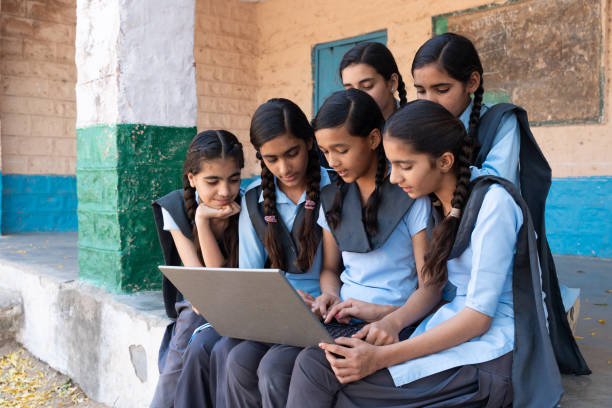
NGOs Promoting Coding Education for Rural Children The inhabitants of India is without doubt one of the youngest. As know-how influences all facets of life, learners are beginning to be extra priceless than they will learn and write. Nevertheless, in most rural areas of the nation, digital studying services usually are not accessible to kids. NGOs selling coding training to rural kids are filling this hole. These organizations make use of modern instruction fashions, economical sources, and collaborations to implement coding in villages. They aren’t solely aiming to coach computer systems but additionally to arrange the brand new era of youngsters and youths to be viable, armed, and empowered to resolve issues and to make use of their skills and capabilities in the workforce. The Significance of Coding for Rural Children. Coding is seen as a troublesome course of that requires logical thought. When the kids study to create the codes in rural setups, they study to create issues in gradual levels. The ability might be utilized in pc work, farming, small firm work, and on a regular basis life. College students of coding in rural areas can pursue software program, robotics, and information science profession alternatives. This makes them extra aggressive in comparison with city college students in the long run, battling inequality. The society, by sponsoring NGOs promoting coding education for rural children, offers a gifted baby in any a part of India a correct alternative. Time to bridge the digital divide in rural areas of India. Though cities have gotten synthetic and automatic, a number of rural faculties don’t even have a pc or web connection. The educators might be untrained in on-line studying. Coding is perceived by households as a expensive and inaccessible merchandise. Rural college students stay disadvantaged by this digital divide. On this case, Promoting Coding Education for Rural Children is an innovation launched by NGOs. They provide laptops, low-priced tablets, solar-powered lecture rooms, and cellular pc labs. They educate lecturers as properly in such a approach that even after the NGO departs, the college can nonetheless keep it up with code courses. How NGOs Convey Change The approaches employed by NGOs are possible and neighborhood oriented. They arrange workshops in which kids can purchase some code by taking part in straightforward video games and by telling tales. They specialize in Scratch, Python, and block-based code environments. Learners shouldn’t have to hearken to lengthy lectures anymore, however as an alternative, they’re anticipated to make small purposes, animations, and tasks. This leaves them passionate and pushed. Coding boot camps throughout faculty holidays are run by some non-governmental organizations. NGOs selling coding training for rural kids generate belief by collaborating with dad and mom, lecturers, and different native leaders. Villagers start to view coding not as one thing that empowers town however as one thing luxurious. Successes in Rural Areas. In accordance with Maharashtra, a nongovernmental group launched a cellular van outfitted with computer systems. Village kids have been the primary to be launched to writing and formulating easy video games. In Bihar, the coding camp of women assisted the scholars to develop apps to observe water consumption in their villages. In Tamil Nadu, college students managed to arrange small web sites the place farmers in the world may promote the product. These are illustrations of the actual affect of NGOs selling coding training for rural kids. In distinction to ready till the federal government devises schemes, NGOs can implement options in shorter occasions and domestically. Academics and Volunteers CAREERS Function Self-discipline This can give continuity in case the workers at NGOs go away. Extra necessary is the position of volunteers who’re normally allied to the IT business. They go to the nation and educate and encourage kids. College students can observe precise working professionals and start to imagine that they can also turn out to be profitable. Coaching of Academics: It’s their cooperation with volunteers that makes the work of NGOs selling coding training for rural kids sustainable. Collaboration with Know-how Companies. The opposite reason for NGOs’ success is because of a superb partnership. The largest know-how firms present software program, credit, and mentors to make use of cloud companies. Indicatively, there are examples of free coding services offered to some NGOs by international firms. This reduces the expense and easy apply by the scholars. Such partnerships display how company social duty collaborates with the NGOs. With firms contributing to NGOs selling coding training to rural kids, 1000’s of youngsters will obtain the motivation slightly than a small variety of lecture rooms. Coding Subliminal Sexism. Women have been deserted with very minimal training in most rural areas. The coding training has been used in altering this. At NGOs ladies have their very own secure area to study and create packages designed particularly with ladies in thoughts. The code of women normally encourages others in society. They break stereotypes and present that expertise shouldn’t be sex-based. Moms and sisters are additionally educated by Coding Education Promotion. Challenges Confronted by NGOs NGOs are challenged with quite a few points even at present. In distant villages, there’s a large downside with the web. Funding shouldn’t be all the time predictable, such that it’s troublesome to extend packages. In some circumstances, dad and mom favor kids to work on the farms slightly than learning. The agricultural faculties have lecturers who’re overworked. NGOs selling coding training for rural kids tackle them by adopting versatile fashions. Lengthy-term Items to Rural India. The financial positive factors of coding education are monumental. These college students who study TM really feel assured sufficient to check a excessive diploma in science and know-how. Others will find yourself being entrepreneurs and set up startupsin their villages. The remaining can get into well-paid IT firms. By way of the funding of NGOs selling coding training to rural kids, the society invests in the longer term societal leaders, thinkers, and innovators. Conclusion The code training in rural India can be but to be discovered. NGOs are demonstrating

NGOs Promoting Coding Education for Rural Children in India Read More »

NGOFeed

Social Enterprises Vs. NGO Which model has more affect?

[ad_1] In right this moment’s quickly altering world, the talk between social enterprises and NGOs has turn out to be one of the crucial essential discussions within the improvement sector. Each intention to deal with social, financial, and environmental challenges, but they differ considerably in construction, funding, sustainability, and long-term affect. Understanding the distinction between a social enterprise and an NGO helps decide which model creates more sustainable change in 2025 and past. Understanding NGOs (Non-Governmental Organizations) A Non-Governmental Group (NGO) is a non-profit entity that operates independently of presidency management. NGOs concentrate on public welfare and group improvement. They work in areas reminiscent of training, well being, poverty eradication, atmosphere safety, ladies empowerment, and human rights. These organizations rely primarily on exterior funding by way of authorities grants, non-public donations, and worldwide help. The first aim of NGOs is to serve folks fairly than generate revenue. They construct sturdy group relationships, implement welfare applications, and advocate for coverage change. Examples embrace CRY, Smile Basis, and HelpAge India, which have made exceptional contributions to enhancing lives by way of social initiatives and humanitarian help. Nevertheless, the most important problem NGOs face is monetary dependency. Their sustainability usually is dependent upon donor help, which may fluctuate based mostly on financial and political components. Regardless of their deep group engagement, restricted funding can prohibit long-term undertaking continuity. Understanding Social Enterprises A Social Enterprise is a enterprise model that mixes profit-making with social affect. In contrast to NGOs, social enterprises generate their very own income by promoting items or providers, and reinvest their income to deal with social or environmental points. This makes them financially sustainable and unbiased from exterior donors. Social enterprises are based on the precept of “doing well by doing good.” They concentrate on fixing societal issues by way of entrepreneurship, innovation, and market-based options. For example, corporations like Amul, Barefoot Faculty, and Rang De are recognized for empowering rural communities whereas working sustainably available in the market. The power of social enterprises lies of their capacity to create measurable affect whereas sustaining monetary stability. They encourage innovation, entice traders, and promote accountable consumption. Nevertheless, they might face challenges in balancing revenue with function, particularly in sectors the place income technology is troublesome. The basic distinction between NGOs and social enterprises lies of their monetary model and strategy to sustainability. NGOs rely closely on exterior funding sources reminiscent of donations and grants, whereas social enterprises use self-generated revenue by way of services or products to maintain their operations. NGOs focus totally on welfare and humanitarian causes, usually working in underserved or susceptible communities. Social enterprises, however, tackle related points however by way of business-oriented options. Whereas NGOs are mission-driven and rely on altruism, social enterprises observe a hybrid model of mission and market, making them more adaptable in the long run. Funding is the spine of each fashions, but the sources differ considerably. NGOs normally safe funds by way of authorities schemes, worldwide companies, philanthropic foundations, and crowdfunding campaigns. Their revenue is dependent upon donor belief and the visibility of their trigger. Social enterprises, in distinction, entice affect traders, enterprise capitalists, CSR (Company Social Duty) partnerships, and social affect funds. They could additionally obtain seed funding or incubation help from organizations selling sustainable entrepreneurship. The power to generate constant income offers social enterprises a aggressive edge in attaining long-term progress. Social enterprises function with the intent to generate income whereas fulfilling a social mission. For instance, they could promote eco-friendly merchandise, present ability improvement coaching, or supply inexpensive providers to underprivileged communities. The income earned are reinvested to scale affect fairly than distributed to shareholders. NGOs, however, don’t interact in industrial actions. Their operations rely on grants and donations, making them susceptible to funding cuts. Whereas NGOs excel at delivering instant group affect and humanitarian help, their dependency on donors can restrict scalability. In India, a number of social enterprises have emerged as sturdy alternate options to conventional NGOs. Organizations reminiscent of SELCO Basis, Goonj, Rang De, and Barefoot Faculty reveal how business-led social fashions can obtain measurable affect. These enterprises work in renewable vitality, rural improvement, microfinance, and training — sectors the place sustainable fashions are important. These social ventures mix innovation, entrepreneurship, and group engagement, proving that social enterprises could be each financially viable and socially impactful. Their capacity to maintain operations with out donor dependency makes them a dependable model for long-term group improvement. Each NGOs and social enterprises play important roles in social transformation. NGOs are essential for emergency aid, human rights advocacy, and grassroots mobilization. They create consciousness and convey communities collectively for social causes. Nevertheless, their dependency on donations usually limits their capacity to maintain initiatives independently. Social enterprises, however, construct scalable, self-sustaining options. They empower people by way of employment, innovation, and entrepreneurship whereas sustaining monetary independence. Within the trendy improvement ecosystem, social enterprises usually obtain larger long-term affect because of their capacity to develop sustainably and adapt to market calls for. The way forward for social affect lies in collaboration between NGOs and social enterprises. Whereas NGOs guarantee inclusivity and social justice, social enterprises carry sustainability and innovation. The perfect strategy is a blended model the place social missions are supported by business-driven methods. In 2025 and past, social enterprises are prone to have a larger affect because of their sustainable funding constructions and measurable outcomes. Nevertheless, NGOs will proceed to play a important function in humanitarian efforts and coverage advocacy. Collectively, each fashions can redefine the trail towards inclusive and sustainable improvement. 1.Can I accomplice with a social enterprise as a substitute of an NGO for group initiatives? Sure, you possibly can completely accomplice with a social enterprise for group improvement initiatives. In contrast to NGOs, social enterprises mix social affect with enterprise innovation, creating sustainable options for long-term group empowerment. Partnering with a social enterprise means that you can help social entrepreneurship, capability constructing, and impact-driven progress, whereas guaranteeing measurable and financially sustainable outcomes. Many organizations and governments now

Social Enterprises Vs. NGO Which model has more affect? Read More »

NGOs Encouraging Intergenerational Storytelling

NGOs Encouraging Intergenerational Storytelling

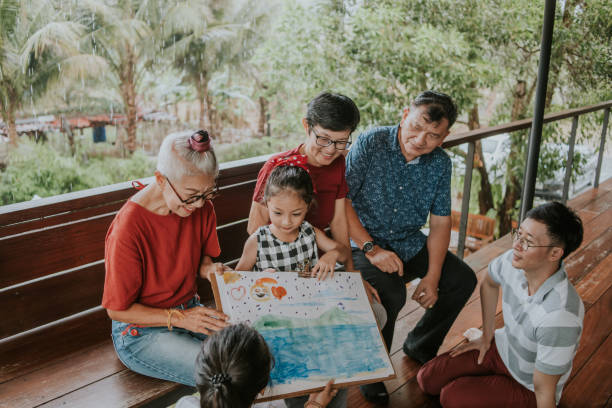
NGOs Encouraging Intergenerational Storytelling Tales have all the time been the linking intergenerational element. They share knowledge, values, and cultural roots between the older and the youthful people. By NGOs that is being reinstated at present in organized strategies. By NGOs selling intergenerational storytelling, folks uncover different types of communing, education, and self-improvement. They’re heritage safety packages, and they’re additionally forming stronger household and social bonds. Comprehending this course of reveals the truth that storytelling isn’t just a wording; it’s an efficient instrument of cohesiveness. The Purpose Storytelling between Generations Is Deceiving. Narrations will not be merely amusing. In addition they keep tradition, life, and id. The older era has a wealthy expertise that the youthful era may by no means be taught in books. The listening to of those tales teaches the younger man persistence, power, and sympathy. In the meantime, older persons are revered and valued. To make these treasured interactions happen in systematic and accessible types, NGOs encouraging intergenerational storytelling preserve the traditions alive in up to date communities. The Howes of NGOs in Telling Tales. Protected areas are essentially the most vital function of NGOs encouraging intergenerational storytelling. These teams embrace workshops and household and faculty visits, throughout which the aged and youthful generations inform one another about themselves. To be concerned within the course of, they continuously make use of storytelling circles, group discussions, or inventive performances. NGOs consider guaranteeing that each one voices are heard, no matter their age, expertise, or skill to relate tales. Creating Storytelling among the many Seniors. Senior coaching is without doubt one of the strategies by which NGOs help. Aged persons are knowledgeable of how one can manage their tales and ship communications to younger folks in a fashion that pulls their consideration. NGOs provide writing aids, recording units, and public talking coaching, amongst many others. By such a technique, it’s evident that NGOs encouraging intergenerational storytelling allow seniors to rejoice life expertise journeys and switch them effectively. Tapping into the Youthful Era. The youthful members are inquisitive, although they might not be affected person. NGOs additionally tackle this downside via interactive strategies resembling tales (enjoying video games), artwork, or digital multimedia integration. Utilizing each outdated and new packages, the youths can stay lively and maintain the teachings as related. The examples of NGOs encouraging intergenerational storytelling assist to know that age must be turned of their favor if approached creatively. Know-how, Wimmer Broadcast. These days quite a bit depends upon digital platforms. NGOs doc narratives and publish them on the Web in both podcasts, movies, or blogs. Often this retains the tales intact to allow them to attain extra folks. It additionally assists the younger era to realize abilities within the digital realm via enhancing and publishing. On this case, NGOs encouraging intergenerational storytelling emphasize the need to not give attention to the custom on the expense of accessing fashionable media to realize success. Barabliscu and Vollianaki (2019) look at the usage of storytelling to protect a tradition and stop its decline by people utilizing English as a mom tongue. <|human|> Retaining the Tradition Collectively, p. 3. The world has communities with various traditions. Within the absence of storytelling, numerous cultural practices are prone to extinction. NGOs encouraging intergenerational storytelling make sure the preservation of folks tales, rituals, and values of a group via the documentation and sharing of intergenerational people tales. This doesn’t simply enhance the tradition but additionally equips the children with their origin, an equal id of who they’re. Emotional Aged Benefits. The aged are inclined to really feel uncared for. Storytelling packages reduce loneliness as such, giving them an opportunity to mingle with children. They really feel content material, appreciated, and honored. Sharing helps them to be extra lively and emotionally wholesome. NGOs encouraging intergenerational storytelling due to this fact function each cultural and emotional help programs for seniors. Empathy, however first cause with youth. Amongst youthful members, listening to older folks turns into extra emphatic and understanding. It allows them to recollect battles that have been fought prior to now and replicate on beneficial properties which are being made now. In response to many NGOs, youngsters served in these storytelling tasks are extra expert in communication, extra respectful to their elders, and extra locally. Within the article by Irby, Encouraging Intergenerational Storytelling, we witness how informal conversations result in character constructing in children. Storytelling as Training Tales are the sorts of issues which have an ethical or survival lesson and a lesson about historical past. They can be utilized in colleges as instructional instruments by NGOs. Reasonably than studying cases of outstanding experiences of resilience, migration, traditions, and social adjustments supplied by textbooks, college students take heed to the firsthand outcomes about these occasions. The NGOs that promote intergenerational storytelling remodel private experiences into in-life classes that can’t be delivered inside books and different textual instruments. Cultural Neighborhood Occasions and Festivities. NGOs maintain a number of cultural festivals, story nights, or intergenerational camps. Such events give households an opportunity to be collectively and make storytelling a festivity as a substitute of a chore. The kids and youths are our different members affected by the tales as an inspiration to be a part of the group via music, drama, or artwork. The elders really feel a way of satisfaction as a result of their recollections are honored within the society. NGOs of intergenerational storytelling take plain storytelling and make it a communal-wide occasion that builds stronger bonds. Breaking the collection of difficulties within the packages of storytellers. Language obstacles, lack of curiosity, and restricted assets are a number of the challenges that could be encountered. To this finish, NGOs deal with them by translating narratives, streamlining codecs, and making the conditions entertaining. In addition they recruit volunteers and hometown leaders to entry extra folks. The next are some examples of how NGOs encouraging intergenerational storytelling realign themselves to deal with challenges. The perfect locations on the earth to offer care. Weight reduction packages

NGOs Encouraging Intergenerational Storytelling Read More »

NGOFeed

Role of NGOs in Crisis Communication and Public Awareness

[ad_1] Role of NGOs in Crisis Communication and Public Awareness: Throughout a disaster, similar to a pure catastrophe, well being emergency or humanitarian battle, satisfactory communication is as essential because the operation of aid itself. Appropriate data will save lives, panic and direct societies to security and resilience. That’s the place Non-Governmental Organizations (NGOs) are essential. Along with providing direct assist and help, NGOs are dependable sources of data, which fill the hole between the authorities, media, and the inhabitants. Crisis communication falls past the flexibility of NGOs to unfold verified details about updates and security suggestions, and to cease pretend data that often propagates throughout crises. They use networks on the grassroots, social media and neighborhood outreach networks to be sure that even essentially the most susceptible or distant populations are knowledgeable with dependable data. NGOs additionally contribute to the event of the specified public consciousness campaigns, encouraging preparedness and accountable civic behaviour via cooperation with governments, native leaders and worldwide organizations. As well as, NGOs act because the champions of open-mindedness and compassion in communication. They make the disaster human and generate native and worldwide response by growing the voice of these affected and sharing real-time floor experiences. Their functionality to combine emotional narration with the factual updates makes them extra reliable and promotes solidarity throughout unpredictable durations. Basically, NGOs will not be merely reactors; they’re communicators, educators and connectors who flip anarchy into motion. Their important contribution to the communication of a disaster is to make individuals not simply knowledgeable but additionally empowered to behave, get better and construct resilience. What Is Crisis Communication and Why Is It Necessary? Crisis communication has been described because the act of offering related, correct, and comprehensible data in the face of a disaster or disruptive occasions. Such occasions could contain pure calamities, epidemics, humanitarian disasters or civil conflicts. Crisis communication goals at informing the lots, offering instructions and reassurance, and avoiding misinformation, panic, and confusion. Crisis communication must be taken critically as a result of of the next causes: Security to the neighborhood: The absence of ambiguity in directions will allow neighborhood members to react appropriately to emergencies and decrease accidents, loss of life, and property injury. Forestall Misinformation: The verified and up to date data is correct and replaces rumours and pretend information that may irritate the disaster. Preserve Belief: Open communication by respected sources builds belief in individuals to the authorities, the NGOs, and the aid companies. Helps Coordinated Response: The communication course of has the profit of making certain all events are on the identical web page in phrases of actions and message to the stakeholders, particularly the federal government, NGOs and media. Additionally Learn: WHO World Vitamin Targets 2025 Within the case of NGOs, disaster communication is essential to grasp. They’re often the hyperlink between the authorities and the communities, decoding the technical recommendation into helpful data and ensuring that even marginalised or distant teams are knowledgeable. NGOs help communities to learn, make protected selections and get better extra shortly in case of disaster by means of readability, accuracy and timeliness. Merely put, disaster communication is just not solely the flexibility to ship information- it’s a lifeline that strengthens communities, improves the effectiveness of responding to emergencies, and reduces the results of occurrences. What Is the Role of NGOs in Crisis Communication? Non-Governmental Group (NGOs) have turn out to be important in disaster communication as they function a reliable go-between companies between the governments and the populations. They will present well timed and appropriate data, particularly to susceptible or inaccessible communities, since they’ve a very good understanding of native contexts, networks, and wants. The essential capabilities of NGOs throughout Crisis Communication: Creditworthy Information: NGOs contemplate communities to get true information concerning the disaster, security, and assets. Disarming Misinformation: NGOs can maintain the panic and confusion at bay by monitoring rumours and pretend data. Neighborhood Engagement: via native volunteers, grassroots networks and outreach applications, NGOs can disseminate consciousness. Schooling and Preparedness: NGOs perform workshops, campaigns and coaching to arrange communities in the occasion of an emergency. Response and Reporting: NGOs collect suggestions on the floor degree among the many affected communities, which assists the authorities and different stakeholders in altering the communication plans and response actions. Additionally Learn: WHO Psychological Well being Motion Plan to 2030 & Past Why This Issues: NGOs would enhance the scope and efficacy of disaster communication, particularly in remoted or marginalized societies. They contribute to establishing belief between the communities and authorities, in order that messages are obtained, understood, and taken into motion. NGOs shut loopholes in responding to emergencies via networks, thereby opening up communication to be extra participatory, sensible, and centred on individuals. Basically, NGOs act as messengers and facilitators, which be sure that communities are knowledgeable, ready and aided to behave in occasions of disaster. Why Is Public Awareness Necessary Throughout a Crisis? The general public consciousness in case of disaster is the method of ensuring that the neighborhood is properly educated on the character of the disaster, precautions, useful resource availability and neighborhood steps that can be utilized to safeguard themselves. One of crucial elements of profitable disaster administration is consciousness as a result of it has a direct affect on the way in which individuals and society react to emergencies. Significance of Educating the Folks: Will increase Security: Educated populations will have the ability to act based mostly on directions, displace safely, and implement preventive methods that can decrease loss of life and property. Minimizes Panic and Confusion: Direct, coherent communication will keep away from misinformation, rumour-mongering, in addition to fear-based behaviour. Promotes Preparedness: Awareness actions inform people concerning the dangers, emergency plans, and assets in order that they’ll reply in advance. Empowers Communities: Information offers individuals with confidence to make selections, search help and assist others in occasions of disaster. Facilitates Good Coordination: NGOs, authorities, and different stakeholders organise their efforts, ensuing in environment friendly aid efforts when communities know that assist is offered, regardless

Role of NGOs in Crisis Communication and Public Awareness Read More »

NGOs Encouraging Seniors in Community Volunteering

NGOs Encouraging Seniors in Community Volunteering in India

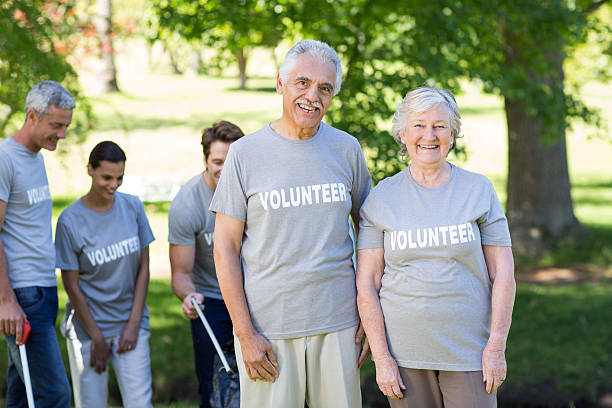
NGOs Encouraging Seniors in Community Volunteering In India, thousands and thousands of older adults dwell in the nation with the oldest population in the world, which has taken vital roles in their households and communities. Nevertheless, in most instances, the aged encounter points like feeling lonely, insufficient social interactions, or feeling that they’re ineffective since they’ve retired. That is the place NGOs encouraging seniors in community volunteering step in. These teams make it doable to supply priceless actions to older adults to contribute again to society, stay lively, and have a mission past their intimate lives. By means of neighborhood volunteering, seniors obtain emotional and bodily well being advantages in addition to advantages to the society. NGOs allow the bridging of generations between the aged and youthful folks by encouraging the older technology to volunteer and improve the social textual content of the Indian communities. The significance of volunteering among the many seniors. Community work gives wholesome getting old alternatives to the senior. The research point out that the stress ranges of aged volunteers lower, their temper improves, and their stage of life satisfaction enhances. They won’t be remoted as a result of they are going to have a renewed sense of belonging. In India, with a altering household construction and the onset of the development of nuclear households, the aged at all times lack the corporate that they previously loved. NGOs encouraging seniors in neighborhood volunteering assist them keep linked to folks round them. Such interplay cultivates belief, retention of abilities, and wholesome getting old. The NGOs’ half in the senior volunteering. NGOs encouraging seniors in neighborhood volunteering formulate packages in keeping with the wants of older adults and their abilities with these of the neighborhood. Indicatively, retired academics can volunteer to tutor needy youngsters, retired docs might volunteer to conduct well being consciousness classes, and skilled professionals might volunteer to tutor younger businesspeople. Classification of those organizations can also be performed to supply coaching workshops in order that seniors can be taught new roles. This manner, seniors can volunteer with out concern or disorientation by organizing actions supplied by the NGOs. Their technique is just not restricted to cities; there are various NGOs that localize their motion in the agricultural inhabitants, whereby they’ve the elders being the normal leaders. Applications by NGOs Encouraging Seniors in Community Volunteering In India, varied NGOs function totally different packages regarding the participation of senior residents. Some examples embody: Beneath such packages, NGOs encouraging seniors in neighborhood volunteering emphasize that age doesn’t make them much less priceless contributors to the neighborhood. Advantages to Seniors Volunteering among the many aged does extra for the neighborhood than the aged folks. The objective of bodily exercise can also be reported by seniors as a result of  bottles are to be recalled, akin to for ingesting, shifting, or touring. One other method they purchase mental stimulation is to be taught new abilities, use know-how, or mentor youth. Seniors take pleasure in emotional well-being following the sensation of being necessary as soon as extra. They don’t passively play the function of care receivers, however they grow to be care contributors. NGOs encourage the aged to volunteer in the neighborhood, thereby establishing a local weather in which the aged flourish when volunteering to the neighborhood. Influence on Communities Generational affiliation is optimistic in neighborhood volunteering. Because the aged educate the kids or accompany the youth, information and knowledge grow to be transmitted. Once they embrace social welfare, the nation is the higher. Indicatively, in the villages, spiritual people are normally educated to instruct the youths on embrace the outdated methods channeled with the brand new competencies. They can be utilized in cities to beat cultural variations between varied teams of individuals. NGOs encouraging seniors in neighborhood volunteering hereby improve the inclusive progress and slender social variations by offering a possibility the place seniors can volunteer. Challenges Confronted by NGOs Whereas the work is impactful, NGOs encouraging seniors in neighborhood volunteering face some challenges. Seniors have no idea about these alternatives or are afraid of well being points. Different households don’t encourage the aged to even transfer outdoors of their properties in case they get harm. One other downside is that, oftentimes, NGOs depend on grants or varied donations to execute the packages. Seniors aren’t simple to coach on new know-how both, extra so when digital instruments have for use. Nonetheless, NGOs’ ingenious approaches in addressing varied wants with the creation of adaptive packages nonetheless persist. Coverage and Governmental Assist. The NGOs make their work a complement to authorities initiatives. Plans in the Ministry of Social Justice and Empowerment promote neighborhood improvement of the seniors. In some states, governments present high-level incentives to NGOs that encourage seniors to volunteer. Collaborations between native authorities and non-governmental organizations improve networking. By aligning with public welfare insurance policies, NGOs encouraging seniors in neighborhood volunteering improve their effectiveness and attain extra folks. The Street Forward Senior volunteering in India has a shiny future. As extra folks dwell longer and more healthy lives, the aged grow to be extra keen to serve. NGOs encouraging seniors in neighborhood volunteering will carry on rising and collaborating with corporates in addition to venturing into new patterns. To realize this, volunteering must grow to be accessible, informal, and helpful. India could possibly be a world chief in senior volunteering with extra campaigns, authorities associations, and neighborhood help. Conclusion NGOs Encouraging Seniors in Community Volunteering is reshaping how society views getting old. LaPlace (2013) factors out that reasonably than depend on assist, seniors are enabled to steer, train, and encourage. These organizations set up the hyperlinks to the opposite generations and place extra highly effective communities. Volunteering is a method of having fun with a wholesome, blissful, and dignified life amongst seniors. To society, it’s intelligence, love, and environmentally sound improvement. Indian society wants not solely extra seniors to volunteer but in addition extra seniors to be motivated. The function of NGOs in bringing the above imaginative and prescient

NGOs Encouraging Seniors in Community Volunteering in India Read More »

Success Story

Impact of Digital Storytelling on Donor Conversion Rates

[ad_1] Impact of Digital Storytelling on Donor Conversion Rates: Digital storytelling can considerably affect donor conversion charges by cultivating a powerful emotional reference to donors. It’s a necessary technique that permits NGOs to share compelling, real-life tales that straight resonate with readers’ feelings. Which makes them really feel relatable, including worth to win their help. On this article, we’ll focus on what digital storytelling is, the way it may help NGOs to extend their donor acquisition charges and different associated key insights. What’s Digital Storytelling for NGOs? Digital storytelling for NGOs is a strategic mixture of conventional storytelling and digital media to make the story extra vivid and impactful. It entails numerous components, together with textual content, audio, pictures, and video clips, to deliver life into the narratives. Not like conventional storytelling that limits oral and bodily intervention, Digital storytelling evolves with computer-based instruments. Moreover, it consists of interactive components like hypertext hyperlinks, social media for NGOs and maps. This permits the story to be shared with a broader vary of audiences. Additionally Learn: E mail Advertising for NGOs: Greatest Practices and Instruments Advantages of Digital Storytelling for NGO Leveraging the digital storytelling platforms, NGOs can share tales of their organisation’s journey. For instance, sharing the beneficiary’s testimonials, the workers and volunteers’ expertise, advocacy and case research. Tales that evoke feelings, foster generosity and construct authenticity throughout the group. Allow us to take a short take a look at the advantages of digital storytelling Larger viewers engagement: Digital storytelling drives increased engagement by way of its compelling narrative. The compound narrative of human expertise, with the highly effective visuals, evokes the vividness of the story within the viewers’s thoughts. This creates emotional connections and drives increased viewers engagement. Constructing belief and transparency: Digital platform permits NGOs in India to create tales with visible components that make them extra genuine to the viewers. Visible illustration of the story makes the telling clearer and simpler. This helps foster belief and transparency inside their group. Broaden international attain: Not like conventional storytelling, digital tales are created by internet-based instruments and shared by way of social media globally. Anyone by way of the web can entry the contents and so they can even share them with their connections. This manner, the tales of NGOs can increase their attain and make nice impacts worldwide. Additionally Learn: Networking Suggestions for NGOs to Construct Sturdy Partnerships Amplify the unheard voices: The tales of real-life experiences are voices which can be usually suppressed within the crowd of worldly affairs. Digital storytelling platforms permit these unheard voices to make noise. It helps NGOs to share the tales of unknown heroes, amplify their voice to unfold consciousness throughout the group. Price-effective technique: Digital storytelling platforms are cost-effective in comparison with conventional storytelling for fundraising campaigns. As a result of it takes web-based or cellular functions at minimal or no price to create the content material and share globally. Which isn’t solely cost-effective but in addition time-effective and will get a wider attain. Advance fundraising exercise: Digital tales are simpler in main a profitable fundraising objective in comparison with digital advertising or an in-person marketing campaign. Tales comprise real-life expertise, human touches that join the viewers emotionally. They really feel extra relatable with the tales and resonate with the trigger that conjures up them to interact and contribute. Boosting donor conversion: Digital tales have an incredible affect on driving donor retention. It goals to share real-life impactful tales that encourage folks to behave. Highlighting tales of beneficiaries whose lives have modified by way of donations helps to unfold inspiration throughout the group. That encourages donors to spend money on causes that worth life. Efficient Storytelling Methods for NGOs It’s important for NGOs aiming to enhance the donor conversion price to observe one of the best practices of digital storytelling platforms. This refers to creating an efficient plan, executing it after which following the development to enhance the result. Now, what are these widespread practices NGOs can utilise to create an efficient storytelling technique? Allow us to have a look. Additionally Learn: Influencer Advertising for Nonprofits Add visible content material: Written textual content just isn’t sufficient to convey the story in depth. Visible contact performs an important position in making the narrative extra vivid and fascinating in the direction of the viewers. NGOs ought to incorporate visible content material, comparable to photos, infographics, and video clips, to make the story extra highly effective, credible, and emotionally compelling for the viewers. Make it donor-centric: Create donor-centric tales that function how a small donation could make a big effect on a person’s life. Whether or not it’s about contributing to kids’s schooling or offering lifesaving healthcare support. Share the tales of the beneficiaries whose lives have modified as a result of of a donor. This method can encourage the viewers and encourage them to contribute to the trigger that values life. Adapt cross-platform technique: Cross-platform technique refers to adapting and sharing a constant model message throughout a number of channels, like social media, e-mail, weblog posts, and so forth, to realize wider viewers attain and visibility. Leveraging the distinctive energy of every platform, NGOs can share their tales to realize increased engagement and donor conversion.   Embrace name to actions (CTA): Together with a name to motion in digital storytelling refers to prompting the viewers to take the subsequent step to point out their help. NGOs have to create a powerful and compelling name to motion that guides the emotionally engaged viewers to take the fitting step. Whether or not it’s sharing the story for increasing attain, donating for the needy or advocating for a trigger, the decision have to be clear and particular to make an affect. How NGOFeed Can Assist in the Impact of Digital Storytelling on Donor Conversion Rates? Broaden your non-profit’s progress potential with NGOFeed. We purpose to empower your mission with our research-driven articles, insightful blogs and digital help, together with internet design, model design and digital advertising

Impact of Digital Storytelling on Donor Conversion Rates Read More »

Success Story

International Day for Preventing the Exploitation of the Environment in War and Armed Conflict

[ad_1] “When war damages the soil, the scars last longer than the cease-fire.” Armed battle leaves greater than human casualties, it ravages ecosystems, destroys forests, contaminates soil and water, and robs future generations of the pure sources they want. Yearly on 6 November, the world acknowledges the International Day for Preventing the Exploitation of the Environment in War and Armed Conflict, declared by the United Nations Common Meeting in Decision A/RES/56/4.For NGOs, governments, communities and residents, this observance underscores the pressing hyperlink between environmental safety, peace constructing and sustainable growth. What It Is International Day for Preventing the Exploitation of the Environment in War This observance attracts consideration to the injury inflicted on the atmosphere throughout armed conflicts and the position performed by environmental degradation in perpetuating violence. In keeping with the United Nations: “This International Day … is an opportunity to recognize the environment as yet another victim of war.”In essence, the day highlights how ecosystems change into collateral injury and why safeguarding the atmosphere is inseparable from safeguarding human lives and livelihoods. Historical past of the International Day for Preventing the Exploitation of the Environment in War The day was formally proclaimed by the UN Common Meeting on 5 November 2001, to be noticed yearly on 6 November.It constructed on earlier recognition of the hyperlink between natural-resource exploitation and battle, reminiscent of the “women and natural resources in conflict-affected settings” partnerships and early peace constructing frameworks. Over the years, the observance has developed to deal with local weather change, ecological peace constructing and the environmental dimensions of fashionable warfare. International Day for Preventing the Exploitation of the Environment in War 2025 Theme Whereas the UN doesn’t at all times publish a hard and fast annual slogan, the recurring emphasis is evident: atmosphere + battle = peace danger.For instance, commentary for current years pressured that wartime environmental injury “can last for decades” and that “there can be no durable peace if the natural resources that sustain livelihoods and ecosystems are destroyed.”For 2025, NGOs in India and advocates are inspired to concentrate on: The intersection of local weather change, battle, and environmental degradation Preserving ecosystems throughout and post-conflict Strengthening environmental peacebuilding and post-conflict restoration Goals and Objectives The important thing aims of the day embrace: Recognizing environmental hurt as a important sufferer of struggle and armed battle. Preventing exploitation of pure sources (forests, water, minerals and land) that gas battle. Defending ecosystems and biodiversity in battle and post-conflict zones. Selling the position of environmental governance in peacebuilding and post-conflict restoration. Advocating for built-in frameworks linking atmosphere, safety, and sustainable growth. Why It’s Vital Environmental Prices of Conflict War typically targets or over-exploits pure sources, forests are logged, water infrastructure destroyed and land degraded. Conflict zones have extra problem recovering ecosystems, which undermines livelihoods and stability. Hyperlink to Human Safety A degraded atmosphere reduces meals safety, clear water entry and financial alternatives, all of which might feed cycles of violence. Peace can’t be constructed with out sustainable natural-resource administration. Alignment with Sustainable Improvement Safeguarding the atmosphere in battle settings is straight tied to SDG 16 (Peace, Justice and Sturdy Establishments) and SDG 15 (Life on Land). For NGOs, this present day presents a platform to hyperlink environment-justice-peace agendas, amplify their work and mobilize funding. How NGOs, People, and Communities Can Take part Academic Workshops and Seminars: Set up group seminars, college lectures or on-line webinars explaining how struggle damages the atmosphere and how restoration contributes to peace. Consciousness Campaigns & Social Media: Use the hashtag #EnvironmentInWar, #6Nov, #EnvironmentalPeacebuilding to share tales, infographics and survivor voices. Clear-up and Restoration Drives: In post-conflict zones or lately recovered areas, organize tree planting, soil remediation, river clean-up or group mapping of broken ecosystems. Coverage Roundtables and Advocacy: Host dialogues with native authorities, protection ministries and atmosphere departments, discussing integration of environmental safety into peace operations and battle prevention. Group Testimonies and Survivor Tales: Contain native communities affected by battle, environmental injury and displacement to share narratives of loss, resilience and the position of nature in restoration. Collaborative Initiatives: Accomplice with native NGOs, UN companies (e.g. United Nations Environment Programme, UNEP) and civic teams to develop risk-assessment instruments, conflict-sensitive resource-management plans and community-led restoration. NGOs’ Position and Challenges Position of NGOs Conduct environmental peace constructing tasks in conflict-affected settings, rehabilitating land, rebuilding pure infrastructure, restoring livelihoods. Monitor resource-exploitation in struggle zones (unlawful logging, mining and water theft). Present early-warning and mediation round natural-resource battle. Work with ladies and marginalized teams to make sure equitable useful resource entry and keep away from exploitation. Challenges Entry and safety: Working in battle zones is harmful and entry is commonly restricted. Funding and consideration: Environmental penalties of struggle are sometimes overshadowed by humanitarian drama. Knowledge gaps and long-term monitoring: Monitoring environmental injury over time is resource-intensive. Multi-sector coordination: Environment, safety, peace and growth domains typically function in silos.For organizations utilizing NGOFeed as a platform, linking atmosphere, peace and social-justice narratives may also help appeal to broader help and visibility. Extra Insights – Present Tendencies and Professional Views Environmental Peacebuilding: The concept wholesome ecosystems are foundational to peace is gaining traction amongst practitioners. Girls, Pure Assets, and Conflict: Analysis exhibits ladies are disproportionately affected by environmental injury in struggle settings, but in addition key to restoration and peace. Local weather–Conflict Nexus: Local weather change and useful resource shortage are more and more seen as stressors that may set off or extend battle, reinforcing the want for environmental safety in fragile settings. Restoration and Rehabilitation: Put up-conflict reconstruction is shifting from bricks and mortar to folks and nature, restoring land, water techniques and ecosystems for long-term peace. Know-how and Monitoring: Satellite tv for pc imagery, distant sensing and digital data-platforms now allow NGOs to map war-time environmental injury and advocate for remediation. Conclusion The International Day for Preventing the Exploitation of the Environment in War and Armed Conflict is greater than a date on the calendar, it’s a reminder that peace, atmosphere and human safety are inseparable.When nature suffers throughout struggle,

International Day for Preventing the Exploitation of the Environment in War and Armed Conflict Read More »

Role of NGOs in Organizing Cultural Events for seniors

Role of NGOs in Organizing Cultural Events for seniors

Role of NGOs in Organizing Cultural Events for seniors There is aging in life, and it does not imply the loss of pleasure/creativity/wholeness. Most of the seniors miss a chance to initiate social and cultural practices that embrace the seniors and make them feel like part of them. Here the role of NGOs in organizing the cultural events of seniors comes in. Besides organizing events, NGOs provide platforms where seniors can engage in the events and socialize with the community members. Under these cultural interventions, the fact of respect, recognition, and engagement with older adults is stressed. The reasons why cultural events are important to seniors. Cultural events are not merely entertainment aspects. They preserve traditions, they spark creativity, and they offer the elderly an opportunity to spew their wisdom. For most elderly individuals, participating in or attending any events alleviates loneliness and gives their lives meaning and confidence. The NGOs’ role in the organization of cultural events for the seniors is to see that these opportunities exist, are all-inclusive, and are sensitive to the needs of the aging populations. Needs recognition by the NGOs. The very first step would be to be able to know what the seniors like. Surveys, focus groups, and community meetings are among the most common methods through which NGOs get to observe preferences. Some might get away to music festivals, and others do art and folk storytelling. NGOs demonstrate signs of empathy and expertise by listening. This process demonstrates the role of NGOs in organizing cultural events for seniors in a way that makes every participant feel valued. To plan events that motivate attendance. After identifying needs, the NGOs proceed to planning. They partner with local artists, cultural organizations, and volunteers to create events that make people happy and involve everyone. It can be a dance performance, a heritage day, or a food fair, but in any case, NGOs ensure that the seniors are able to participate rather than be spectators. The Inclusion is an assessment of the role of NGOs in organizing cultural events for seniors as a mediator of purposeful events. Promoting Elderly Participation in Performances. Most of the elderly have a lifetime of experience in music, dancing, storytelling, or craft. The NGOs give them the arena to express such talents. As an illustration, the elderly teaching professionals may read poetry, and craftsmen may exhibit vintage crafts. In this case, the role of NGOs in organizing cultural events among older adults is to recognize the older generations and incorporate their knowledge and innovation as commemorated works to the community. Negotiating Across Generations. Cultural events unite the various generations together. As the elderly members conduct their performances, narrate tales, and train in handicrafts, among other things, the youth directly learn through them. It is an exchange of respect and togetherness between the ages. Missionizing such opportunities, the role of NGOs in organizing cultural events with seniors does not merely delve into the field of entertainment but rather gains social responsibility and family relations between generations. Festivals as a Way of Saving Traditions. Culture is upheld by wielding the festival as a form. During national/regional holidays, NGOs usually set up older staff events. The elderly cook outdated food, sing folk tunes, or wear traditional clothes. It is through these practices that the traditions will continue existing with the seniors being proud. In this sense, the role of NGOs in organizing cultural events for seniors also safeguards cultural identity for future generations. Socialization to Emotional and Mental Wellness. Engagement in cultural activities enhances the psychological well-being of the elderly. It alleviates loneliness and provokes imagination and innovation. Group activities, laughter, and music induce positive feelings. This is what NGOs do when developing programs. The role of NGOs in organizing cultural events for seniors proves to be a primary objective of healthy aging by meeting emotional needs. Inclusion and Mainstreaming in Events. The seniors are not able to attend all events with ease. NGOs resolve mobility challenges by selecting convenient locations, carrying out transport, and offering guiding services. They also make sure that the events are accessible to the disabled seniors. The role of NGOs in the organizing of cultural events for the seniors relates to the dissolution of barriers such that no single person feels disqualified or left out on the basis of health or physical disability. Agency and Communities and Sponsors. To ensure the sustainability of events, NGOs establish relations with local commercial organizations, cultural organizations, and governments. The money is contributed by sponsors, performers, or venues by community groups. With such partnerships, the role of NGOs in organizing cultural events for seniors will take root, making events well organized and influential. Reach expansion through technology. In our current digital society, other events that are brought online by NGOs include cultural events. At their homes, seniors will be able to participate in online concerts, workshops, or even storytelling. This strategy was quite significant in regard to limited meetings. The role of NGOs in organizing cultural events forseniors goes beyond making sure that they are digitally included in issues of organizing cultural events so that they are included anywhere. Preservation and Delineation of Cultural Remembrances. The events are frequently documented in communities and various social media or online databases by NGOs. Such details enable the family and the community to re-experience and enjoy the culture. Through this, the role of NGOs in organizing cultural events for seniors involves support of legacies that would otherwise be lost. General Tribal Achievements across the Region(s). NGOs have reshaped the lives of senior people by sponsoring cultural events in many countries. The rural non-governmental organizations are marketing folk festivals, where the elders instruct on folk songs. The urban NGOs form art exhibitions of senior artists. The above-discussed examples emphasize that the role of NGOs in the organization of cultural events among seniors is different in various settings, yet it imparts the same sense of pride and attachment. Conclusion about Role of NGOs in Organizing Cultural Events for seniors

Role of NGOs in Organizing Cultural Events for seniors Read More »