Yogesh Mahajan

Success Story

International Day for Preventing the Exploitation of the Environment in War and Armed Conflict

[ad_1] “When war damages the soil, the scars last longer than the cease-fire.” Armed battle leaves greater than human casualties, it ravages ecosystems, destroys forests, contaminates soil and water, and robs future generations of the pure sources they want. Yearly on 6 November, the world acknowledges the International Day for Preventing the Exploitation of the Environment in War and Armed Conflict, declared by the United Nations Common Meeting in Decision A/RES/56/4.For NGOs, governments, communities and residents, this observance underscores the pressing hyperlink between environmental safety, peace constructing and sustainable growth. What It Is International Day for Preventing the Exploitation of the Environment in War This observance attracts consideration to the injury inflicted on the atmosphere throughout armed conflicts and the position performed by environmental degradation in perpetuating violence. In keeping with the United Nations: “This International Day … is an opportunity to recognize the environment as yet another victim of war.”In essence, the day highlights how ecosystems change into collateral injury and why safeguarding the atmosphere is inseparable from safeguarding human lives and livelihoods. Historical past of the International Day for Preventing the Exploitation of the Environment in War The day was formally proclaimed by the UN Common Meeting on 5 November 2001, to be noticed yearly on 6 November.It constructed on earlier recognition of the hyperlink between natural-resource exploitation and battle, reminiscent of the “women and natural resources in conflict-affected settings” partnerships and early peace constructing frameworks. Over the years, the observance has developed to deal with local weather change, ecological peace constructing and the environmental dimensions of fashionable warfare. International Day for Preventing the Exploitation of the Environment in War 2025 Theme Whereas the UN doesn’t at all times publish a hard and fast annual slogan, the recurring emphasis is evident: atmosphere + battle = peace danger.For instance, commentary for current years pressured that wartime environmental injury “can last for decades” and that “there can be no durable peace if the natural resources that sustain livelihoods and ecosystems are destroyed.”For 2025, NGOs in India and advocates are inspired to concentrate on: The intersection of local weather change, battle, and environmental degradation Preserving ecosystems throughout and post-conflict Strengthening environmental peacebuilding and post-conflict restoration Goals and Objectives The important thing aims of the day embrace: Recognizing environmental hurt as a important sufferer of struggle and armed battle. Preventing exploitation of pure sources (forests, water, minerals and land) that gas battle. Defending ecosystems and biodiversity in battle and post-conflict zones. Selling the position of environmental governance in peacebuilding and post-conflict restoration. Advocating for built-in frameworks linking atmosphere, safety, and sustainable growth. Why It’s Vital Environmental Prices of Conflict War typically targets or over-exploits pure sources, forests are logged, water infrastructure destroyed and land degraded. Conflict zones have extra problem recovering ecosystems, which undermines livelihoods and stability. Hyperlink to Human Safety A degraded atmosphere reduces meals safety, clear water entry and financial alternatives, all of which might feed cycles of violence. Peace can’t be constructed with out sustainable natural-resource administration. Alignment with Sustainable Improvement Safeguarding the atmosphere in battle settings is straight tied to SDG 16 (Peace, Justice and Sturdy Establishments) and SDG 15 (Life on Land). For NGOs, this present day presents a platform to hyperlink environment-justice-peace agendas, amplify their work and mobilize funding. How NGOs, People, and Communities Can Take part Academic Workshops and Seminars: Set up group seminars, college lectures or on-line webinars explaining how struggle damages the atmosphere and how restoration contributes to peace. Consciousness Campaigns & Social Media: Use the hashtag #EnvironmentInWar, #6Nov, #EnvironmentalPeacebuilding to share tales, infographics and survivor voices. Clear-up and Restoration Drives: In post-conflict zones or lately recovered areas, organize tree planting, soil remediation, river clean-up or group mapping of broken ecosystems. Coverage Roundtables and Advocacy: Host dialogues with native authorities, protection ministries and atmosphere departments, discussing integration of environmental safety into peace operations and battle prevention. Group Testimonies and Survivor Tales: Contain native communities affected by battle, environmental injury and displacement to share narratives of loss, resilience and the position of nature in restoration. Collaborative Initiatives: Accomplice with native NGOs, UN companies (e.g. United Nations Environment Programme, UNEP) and civic teams to develop risk-assessment instruments, conflict-sensitive resource-management plans and community-led restoration. NGOs’ Position and Challenges Position of NGOs Conduct environmental peace constructing tasks in conflict-affected settings, rehabilitating land, rebuilding pure infrastructure, restoring livelihoods. Monitor resource-exploitation in struggle zones (unlawful logging, mining and water theft). Present early-warning and mediation round natural-resource battle. Work with ladies and marginalized teams to make sure equitable useful resource entry and keep away from exploitation. Challenges Entry and safety: Working in battle zones is harmful and entry is commonly restricted. Funding and consideration: Environmental penalties of struggle are sometimes overshadowed by humanitarian drama. Knowledge gaps and long-term monitoring: Monitoring environmental injury over time is resource-intensive. Multi-sector coordination: Environment, safety, peace and growth domains typically function in silos.For organizations utilizing NGOFeed as a platform, linking atmosphere, peace and social-justice narratives may also help appeal to broader help and visibility. Extra Insights – Present Tendencies and Professional Views Environmental Peacebuilding: The concept wholesome ecosystems are foundational to peace is gaining traction amongst practitioners. Girls, Pure Assets, and Conflict: Analysis exhibits ladies are disproportionately affected by environmental injury in struggle settings, but in addition key to restoration and peace. Local weather–Conflict Nexus: Local weather change and useful resource shortage are more and more seen as stressors that may set off or extend battle, reinforcing the want for environmental safety in fragile settings. Restoration and Rehabilitation: Put up-conflict reconstruction is shifting from bricks and mortar to folks and nature, restoring land, water techniques and ecosystems for long-term peace. Know-how and Monitoring: Satellite tv for pc imagery, distant sensing and digital data-platforms now allow NGOs to map war-time environmental injury and advocate for remediation. Conclusion The International Day for Preventing the Exploitation of the Environment in War and Armed Conflict is greater than a date on the calendar, it’s a reminder that peace, atmosphere and human safety are inseparable.When nature suffers throughout struggle,

International Day for Preventing the Exploitation of the Environment in War and Armed Conflict Read More »

Role of NGOs in Organizing Cultural Events for seniors

Role of NGOs in Organizing Cultural Events for seniors

Role of NGOs in Organizing Cultural Events for seniors There is aging in life, and it does not imply the loss of pleasure/creativity/wholeness. Most of the seniors miss a chance to initiate social and cultural practices that embrace the seniors and make them feel like part of them. Here the role of NGOs in organizing the cultural events of seniors comes in. Besides organizing events, NGOs provide platforms where seniors can engage in the events and socialize with the community members. Under these cultural interventions, the fact of respect, recognition, and engagement with older adults is stressed. The reasons why cultural events are important to seniors. Cultural events are not merely entertainment aspects. They preserve traditions, they spark creativity, and they offer the elderly an opportunity to spew their wisdom. For most elderly individuals, participating in or attending any events alleviates loneliness and gives their lives meaning and confidence. The NGOs’ role in the organization of cultural events for the seniors is to see that these opportunities exist, are all-inclusive, and are sensitive to the needs of the aging populations. Needs recognition by the NGOs. The very first step would be to be able to know what the seniors like. Surveys, focus groups, and community meetings are among the most common methods through which NGOs get to observe preferences. Some might get away to music festivals, and others do art and folk storytelling. NGOs demonstrate signs of empathy and expertise by listening. This process demonstrates the role of NGOs in organizing cultural events for seniors in a way that makes every participant feel valued. To plan events that motivate attendance. After identifying needs, the NGOs proceed to planning. They partner with local artists, cultural organizations, and volunteers to create events that make people happy and involve everyone. It can be a dance performance, a heritage day, or a food fair, but in any case, NGOs ensure that the seniors are able to participate rather than be spectators. The Inclusion is an assessment of the role of NGOs in organizing cultural events for seniors as a mediator of purposeful events. Promoting Elderly Participation in Performances. Most of the elderly have a lifetime of experience in music, dancing, storytelling, or craft. The NGOs give them the arena to express such talents. As an illustration, the elderly teaching professionals may read poetry, and craftsmen may exhibit vintage crafts. In this case, the role of NGOs in organizing cultural events among older adults is to recognize the older generations and incorporate their knowledge and innovation as commemorated works to the community. Negotiating Across Generations. Cultural events unite the various generations together. As the elderly members conduct their performances, narrate tales, and train in handicrafts, among other things, the youth directly learn through them. It is an exchange of respect and togetherness between the ages. Missionizing such opportunities, the role of NGOs in organizing cultural events with seniors does not merely delve into the field of entertainment but rather gains social responsibility and family relations between generations. Festivals as a Way of Saving Traditions. Culture is upheld by wielding the festival as a form. During national/regional holidays, NGOs usually set up older staff events. The elderly cook outdated food, sing folk tunes, or wear traditional clothes. It is through these practices that the traditions will continue existing with the seniors being proud. In this sense, the role of NGOs in organizing cultural events for seniors also safeguards cultural identity for future generations. Socialization to Emotional and Mental Wellness. Engagement in cultural activities enhances the psychological well-being of the elderly. It alleviates loneliness and provokes imagination and innovation. Group activities, laughter, and music induce positive feelings. This is what NGOs do when developing programs. The role of NGOs in organizing cultural events for seniors proves to be a primary objective of healthy aging by meeting emotional needs. Inclusion and Mainstreaming in Events. The seniors are not able to attend all events with ease. NGOs resolve mobility challenges by selecting convenient locations, carrying out transport, and offering guiding services. They also make sure that the events are accessible to the disabled seniors. The role of NGOs in the organizing of cultural events for the seniors relates to the dissolution of barriers such that no single person feels disqualified or left out on the basis of health or physical disability. Agency and Communities and Sponsors. To ensure the sustainability of events, NGOs establish relations with local commercial organizations, cultural organizations, and governments. The money is contributed by sponsors, performers, or venues by community groups. With such partnerships, the role of NGOs in organizing cultural events for seniors will take root, making events well organized and influential. Reach expansion through technology. In our current digital society, other events that are brought online by NGOs include cultural events. At their homes, seniors will be able to participate in online concerts, workshops, or even storytelling. This strategy was quite significant in regard to limited meetings. The role of NGOs in organizing cultural events forseniors goes beyond making sure that they are digitally included in issues of organizing cultural events so that they are included anywhere. Preservation and Delineation of Cultural Remembrances. The events are frequently documented in communities and various social media or online databases by NGOs. Such details enable the family and the community to re-experience and enjoy the culture. Through this, the role of NGOs in organizing cultural events for seniors involves support of legacies that would otherwise be lost. General Tribal Achievements across the Region(s). NGOs have reshaped the lives of senior people by sponsoring cultural events in many countries. The rural non-governmental organizations are marketing folk festivals, where the elders instruct on folk songs. The urban NGOs form art exhibitions of senior artists. The above-discussed examples emphasize that the role of NGOs in the organization of cultural events among seniors is different in various settings, yet it imparts the same sense of pride and attachment. Conclusion about Role of NGOs in Organizing Cultural Events for seniors

Role of NGOs in Organizing Cultural Events for seniors Read More »

NGOs Driving Awareness on Road Safety in India

NGOs Driving Awareness on Road Safety in India India stands for one of many largest street programs in the world. Supplies that each step of this scale presents alternative and problem I imagine accidents are most problematic as a result of thousands and thousands of people travel every single day. Accidents on the street not solely take lives but additionally upset households and society. Within the final decade, there will not be many sturdy teams which have emerged to handle this case. Amongst them, NGOs driving awareness on road safety in India have grow to be highly effective brokers of change. Training, coaching, advocacy, and group efforts are all avenues of dissemination of training and different danger discount actions by these management companies. They work on the backside degree with the federal government models and devise the data campaigns for all age teams. Why Road Safety in India Is Essential India has the very best depend of street site visitors deaths in the world. The scenario is worsened by poor driving habits, failure to implement the site visitors regulation, ignorance, and the poor state of the highways. Road security could be outlined not solely in relation to the variety of street accident victims but additionally in phrases of protected street conditions for drivers, passengers, and passersby. If residents perceive site visitors guidelines, helmets, seat belts, and sign gentle legal guidelines, then few accidents are reported. For this reason NGOs driving consciousness on street security in India play a central function. One in all them is the structuring and framing of knowledge, and data framed as security and containment of the data and its facilitation; and the opposite is channeled to residents by counties. Position of NGOs in Dissemination of Awareness Non-Governmental Organizations (NGOs) act as a hyperlink between folks and coverage. Despite the fact that the governments lay down legal guidelines, all residents do not know and comply with these legal guidelines. NGOs codify and institutionalize these guidelines. They’ve road performances, scholar academic applications, theatrical productions, campaigns, social media, and way more. Jullicar and Bernardi want to encourage protected driving by drawing focus to behavioral change. As an example, NGOs have raised the problem of underage kids crossing the street, velocity limits for the automotive drivers, and helmets for two-wheelers with bikers. Their applications are subsequently bringing throughout all spectrums of the villages, cities, and megacities. On this means, NGOs driving consciousness on street security in India assist fill the hole left by restricted authorities outreach. Common Initiatives by NGOs NGOs have launched a number of initiatives at completely different locations all through India. There are a selection of awards and recognition applications that we see throughout faculties in the type of street security golf equipment, posters, security rallies, and weeks. Different NGOs practice bus drivers and auto rickshaw drivers in protected bus driving. A few of these are centered on first help coaching to ensure that bystanders are in a place to manage first help whereas attending to the precise victims concerned in an accident. The perfect campaigns typically have celebrities or influencers unfold the phrase a couple of explicit message. Expertise can be included underneath these undertakings. Safety training is extra entertaining by way of apps and movies and on-line classes. All these strategies present the creativity of NGOs driving consciousness on street security in India and their means to achieve various audiences. Sociocultural Industries-Authorities Relations. For a extra highly effective impact, NGOs typically be a part of forces with governmental departments similar to transport and police. The partnerships additionally assist in strict enforcement of the principles, similar to sporting one’s helmet or not getting behind the wheel if one is intoxicated. The firms additionally present monetary help and CSR applications. Many massive companies have contracted with Non-Governmental Organizations (NGOs) to assist promote street security amongst firm staff, vans, and native communities by way of sponsorship. This collaboration ensures that the work of NGOs driving consciousness on street security in India continues on a bigger scale and achieves measurable outcomes. Asset-Based mostly Technique and Conduct Change. The principle benefit of the NGOs is their energy to achieve folks on the grassroots degree. He being in an interactive means with the folks doesn’t solely lecture them but additionally does issues with the folks. Due to this fact, a stage play concerning the evils of velocity is nearly at all times simpler than a booklet. By incorporating actual survival tales from folks in addition to utilizing visible representations of these after accidents, messages are etched in the viewers’s thoughts as they’re instructed. These modern methods utilized by NGOs driving consciousness on street security in India end result in habits change that lasts longer. Case Research of Impression Concerning this final level, it’s well-known {that a} nongovernmental group was in a position to scale back the variety of accidents in a small district over the course of two years that it ran these campaigns. They gave recommendation on protected strolling to kids, managed to persuade particular person shopkeepers to dam shows, and negotiated with the police to sign for velocity restriction. Nevertheless, the opposite NGO supplied coaching in defensive driving for truck drivers that led to a discount in freeway accidents. These actual tales spotlight how NGOs driving consciousness on street security in India are making seen modifications on the bottom. Challenges Confronted by NGOs Nevertheless, NGOs need to face some hurdles whereas doing arduous work. Restricted funding for the illness is one among the many steps to be carried out. NGOs are additionally largely reliant on unsustainable donations. As an example, there exists an issue in accessing the inaccessible ones, as there’s a lack of fine infrastructure in comparison with city ones. There may be additionally a language barrier as a result of a rustic might need many dialects. It’s also arduous to get folks to vary an outdated behavior. But, NGOs driving consciousness on street security in India proceed to adapt by discovering low-cost strategies, utilizing native volunteers,

NGOs Driving Awareness on Road Safety in India Read More »

NGOs Encouraging Rooftop Gardening in Cities

NGOs Encouraging Rooftop Gardening in Cities

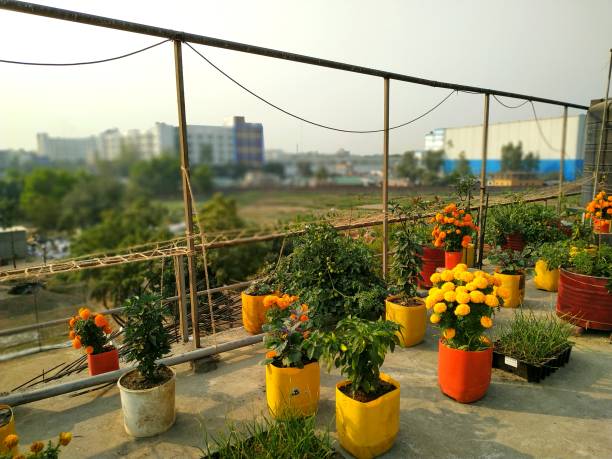
NGOs Encouraging Rooftop Gardening in Cities The rising determine of inhabitants in city areas is creating rising challenges attributable to uneven developments on inexperienced areas and air pollution in the surroundings. Rooftop gardening is among the new ideas on the increase. Many NGOs have taken the lead function for popularizing sustainable city agriculture in order to alter the face of the cities. This text explores how NGOs encouraging rooftop gardening in cities are making a tangible impression, the advantages concerned, and sensible methods residents can become involved. Chapter 1: Rooftop Is Gaining Floor on Gardening As city designs broaden, inexperienced areas scale back. One response to the issue is rooftop gardening—it includes taking unused rooftops and turning them right into a productive inexperienced house. NGOs encouraging rooftop gardening in cities play a vital function in educating residents, offering sources, and advocating for eco-friendly city practices. Their initiatives are enhancing the surroundings whereas additionally enhancing their neighborhood. Mini-farm rooftops in cities to domesticate micro farms. With assist from NGOs encouraging rooftop gardening in cities, even small flats and business buildings can contribute to a greener, more healthy city ecosystem. These social teams will pool their data, hands-on abilities, and coaching collectively to make rooftop gardening a actuality for everybody. The Malice of NGOs in the Popularization of Rooftop Gardens NGOs encouraging rooftop gardening in cities concentrate on three predominant areas: training, sources, and group engagement. Schooling: Via seminars, net guides, and workshops, the residents are taught find out how to begin a rooftop backyard and maintain it. The NGOs will present the seeds, the soil, and the compost, in addition to the light-weight containers that can be utilized on prime of the roof. They’re additionally advising residents on inexperienced gardens that won’t query the security of the buildings. The opposite key issue is group involvement. By organizing rooftop gardening golf equipment, native competitions, and inexperienced campaigns, NGOs encouraging rooftop gardening in cities foster a way of collective accountability. The inhabitants know find out how to share ideas and work with others in the backyard, in addition to find out how to mobilize individuals from the opposite buildings. Alter Environmental Situations: Rooftop gardening positively impacts the surroundings. Rooftop gardening will do lots for the surroundings. It helps to cut back the city warmth, acquire rainwater, and improve the air high quality. NGOs encouraging rooftop gardening in cities spotlight how vegetation can decrease rooftop temperatures, lowering the necessity for air con and saving power. The inexperienced rooftops are additionally the pure filter traps for the mud and pollution. They permit for an excellent higher enchancment in biodiversity—rooftop gardens present houses for birds, bees, and different useful bugs. NGOs encouraging rooftop gardening in cities typically set up city wildlife consciousness packages to coach individuals on supporting native ecosystems. Because of these efforts, there emerges a rising concern for a sustainable strategy to the idea of metropolis planning. Well being and Social Advantages Rooftop gardening is not only about vegetation alone, however it has a optimistic impression on psychological and bodily well being too. NGOs encouraging rooftop gardening in cities emphasize the therapeutic advantages of gardening, together with stress discount and improved temper. Bodily exercise by means of common gardening retains us free from way of life ailments. On a social stage, rooftop gardens do convey individuals collectively as a venue for taking meals collectively and educating each other. NGOs encouraging rooftop gardening in cities typically host cooking periods, vitamin workshops, and group harvest occasions. These actions strengthen the social interconnectivity and generate senses of belonging for the cities. Steps Taken to Result in a Rooftop Mission Beginning a rooftop backyard could seem daunting, however NGOs encouraging rooftop gardening in cities simplify the method. Right here, they suggest the next sensible steps: These steps show how NGOs encouraging rooftop gardening in cities make city farming accessible to residents of all ability ranges. Case Research: Rooftop gardening: A primary instance Rooftop gardening has been carried out in completely different cities of the world with assist from NGOs. In New Delhi, India, NGOs encouraging rooftop gardening in cities remodeled condo rooftops into lush vegetable gardens. Interviewers insisted they had been spending much less on meals and interacting extra with different individuals. In New York, NGOs encouraging rooftop gardening in cities partnered with faculties to show college students about sustainable agriculture. These initiatives are vital to extend manufacturing of recent gadgets, however what we will additionally do is moreover educate the younger technology on find out how to care for the surroundings. These examples present the real-world impression of NGOs encouraging rooftop gardening in cities, proving that even small initiatives can create important change. Challenges and Options There are issues with rooftop gardening too. Typically vegetation don’t develop correctly when uncovered to much less daylight, much less solar in the wind, or when sagging round attributable to mechanical constructions. NGOs encouraging rooftop gardening in cities supply options corresponding to light-weight develop luggage, protecting netting, and plant choice guides. One other drawback is the water useful resource administration. NGOs present strategies of amassing rainwater and water-wise gardens. By addressing these obstacles, NGOs encouraging rooftop gardening in cities guarantee long-term sustainability and success for city gardeners. Conclusion NGOs encouraging rooftop gardening in cities are remodeling city life by selling environmental sustainability, social engagement, and private well-being. As these 2 pictures show, there can nonetheless be areas of inexperienced even in a big metropolis with a excessive inhabitants. Inexperienced roofs are lovely rooftop gardens created by residents with the assistance of those organizations that present training, sources, and group assist to create rooftop gardens. Metropolis greening is not going to solely render cities lovely, however it’s additionally going to assist shift in direction of a more healthy, extra socially linked, and extra environmentally acutely aware society. Supporting NGOs encouraging rooftop gardening in cities is an funding in each city greenery and the standard of life for future generations. FAQs How can I take part in a rooftop gardening challenge in

NGOs Encouraging Rooftop Gardening in Cities Read More »

NGOFeed

How a Generation Is Reshaping Service and Social Good

[ad_1] Gen Z Volunteering: Typically referred to as technologically savvy, socially aware, and purpose-driven, Generation Z—these born largely between 1997 and 2012—is likely one of the many teams usually talked about. Gen Z is rising up in an age of quick digital change, social actions, and worldwide issues like local weather change, poverty, and psychological well being crises, in distinction to earlier generations.Their reply? Habits by volunteering.Gen Z volunteers are introducing innovation, digital literacy, and advocacy into group service together with their hours. Volunteering is a type of activism, empowerment, and identification for them quite than merely humanitarian exercise. Who makes up Generation Z Volunteers? Younger individuals on the lookout for important interplay with social points are Gen Z volunteers. Over typical, long-term volunteer positions, they favor project-based affect, digital volunteering, and hands-on engagement. They imagine that each little deed issues and that consciousness and empathy begin to change. Why Gen Z Volunteers Stand Out Inspired technologically, they use social media to assist causes, gather cash, and unite communities. In contrast to prior generations, they volunteer for beliefs and enthusiasm quite than merely for resumes. World Mindset: They view native issues like gender inequality or waste administration as items of worldwide issues. Gen Zers exhibit creativity from creating apps for social good to creating on-line campaigns. They assist working throughout many groupings and establishing inclusive environments. Gen Z volunteering drives: Deep take care of political, social, and environmental issues is social duty. Volunteering gives them path and emotional achievement. Growth of Abilities: Many views volunteering as a means to amass helpful talents, together with teamwork, management, communication, and digital literacy. It hyperlinks them with related people and skilled alternatives by way of networking and alternatives. Many Gen Z volunteers see themselves as advocates for long-term institutional reform. Types of Volunteering Gen Z Participates In Managing social media accounts, creating consciousness materials, or arranging on-line fundraising is examples of digital or digital volunteering. Tree planting, trash sorting actions, and local weather consciousness campaigns are examples of environmental volunteerism. Neighborhood outreach: organizing medical camps, giving meals, or instructing deprived youngsters. Participating in NGO actions, blood drive, or consciousness rallies qualifies one to be an event-based volunteer. Highlighting social causes via artwork, music, and social media tendencies inventive advocacy. Gen Z Know-how’s Function in Volunteering Gen Z has made volunteering a digital motion. They’ve enabled anyone to contribute remotely by way of apps, crowdfunding web sites, and web campaigns. Social media channels like Instagram, TikTok, and X (Twitter) serve academic, organizational, fundraising, and awareness-raising functions quite than solely pleasure. Everybody now has civic involvement obtainable because of the expansion of micro-volunteering (little digital chores like sharing a put up, signing petitions, or attending webinars). Advantages of Volunteering for Gen Z Improves social consciousness, management, and empathy with talent improvement. Profession Growth: Many companies worth volunteering expertise as proof of teamwork and duty. Private Growth: Promotes gratitude, resilience, and consciousness. Social Connection: Enhances significant group ties, so decreasing isolation. Civic Engagement: Helps younger individuals notice their half in serving to to create a higher society. Obstacles Voluntaries Gen Z Encounter Lack of Time: Common volunteering is difficult given part-time jobs and educational expectations. Restricted Sources: Many young-run initiatives battle with infrastructure or finance points. Burnout: Extreme publicity to social issues could cause compassion fatigue. Issues with Recognition: Their contributions, particularly on-line, are typically ignored. Sustainability: Sustaining long-term involvement stays troublesome with out institutional backing or mentorship. Efficient strategies NGOs might use to contain Gen Z Join via Instagram, LinkedIn, or volunteering-matching apps utilizing digital platforms. Let volunteers take part in project-based or short-term actions with deadlines. Hyperlink younger volunteers with specialists to guide them by providing mentorship. Current quantifiable outcomes of their efforts to take care of their inspiration. Encourage Management: Permit Gen Z to plan, design, and lead digital outreach. Greater youth involvement and long-term loyalty are seen by NGOs as a change to Gen Z’s working fashion, tech-driven, adaptable, and open. Gen Z volunteer efforts embody some illustrations. Fridays for Future: Younger-led local weather strikes motivated by Greta Thunberg. Affords micro-grants to younger changemakers by way of the Pollination Mission. With Train for India Fellows and Youth for Seva, we contain hundreds of younger Indians in social initiatives and teachers. #BlackLivesMatter and #MeToo actions reveal how Gen Z combines real-world affect with on-line activism. Strategies for Inspiring Generation Z Volunteers Set up school and highschool volunteer teams. Encourage company youth volunteering initiatives. Acknowledge volunteers by way of awards, certificates, or media spotlights. Foster peer-led initiatives and idea incubation. Plan social good youth summits or hackathons. Conclusion Within the twenty first century, Generation Z is redefining volunteerism. They’re altering programs, difficult conventions, and inventing for justice quite than merely serving to communities.Their entrepreneurial drive, sensitivity, and vitality are influencing a new age of civic involvement whereby know-how mingles with empathy.Gen Z can grow to be probably the most influential volunteer technology in historical past if correctly empowered and guided, main the drive towards a truthful, sustainable, and human world. Often Requested Questions (FAQs) Q1. What makes Gen Z volunteering distinctive? A. Gen Z volunteers mix know-how, creativity, and activism, utilizing digital instruments to advertise social causes. Q2. Why do Gen Z people volunteer? A. They volunteer to create social change, develop abilities, and align their actions with private values and international objectives. Q3. What are well-liked causes amongst Gen Z volunteers? A. Local weather change, psychological well being, gender equality, training, animal welfare, and poverty alleviation. This autumn. How can NGOs appeal to extra Gen Z volunteers? A. By providing versatile, digital, and project-based alternatives with seen affect and recognition. Q5. Can on-line volunteering make a actual distinction? A. Sure. On-line volunteering raises consciousness, funds, and mobilizes individuals globally — making it a highly effective trendy software for social change. [ad_2] Source link

How a Generation Is Reshaping Service and Social Good Read More »

NGOFeed

The Importance of Branding for NGOs: Suggestions, Position, Challenges, etc

[ad_1] Importance of Branding for NGOs: NGOs exist to make a social, environmental or humanitarian distinction. They undertake these necessary initiatives with good intentions, however one of the challenges they could face is getting their trigger seen, as there are such a lot of nonprofit organizations vying for consideration. Whether or not they’re massive and well-established or small and simply beginning out, branding is essential in creating a powerful id.  For NGOs in India, branding means extra than simply constructing a brand or catchy slogan. Branding for a company means determining how you can talk their mission, how you can construct belief, how you can promote the trigger and extra importantly encourage volunteers and donors, and how you can make an emotional connection to stakeholders. Branding helps NGO’s distinguish themselves from different non-profit organizations, and ideally assist translate their work into actual impression.  This text will have a look at the facility of branding for NGOs and supply some examples and helpful tricks to improve model consciousness. Why Branding Issues for NGOs Establishes Belief and Credibility: Belief is on the coronary heart of any NGO’s success. Donors, volunteers and beneficiaries should imagine within the authenticity of the group. A well-defined model creates transparency and consistency, displaying the NGO’s professionalism and accountability. Differentiates in a Aggressive Panorama: Many NGOs work on overlapping causes reminiscent of poverty alleviation, training or environmental sustainability. Robust branding helps a company stand out and ensures its voice is heard amidst competitors. Attracts Donors and Funding: Donors typically desire organizations that display clear impression and professionalism. A robust model id reassures them that their contributions are managed successfully and aligned with a reputable trigger. Evokes Volunteer Engagement: Volunteers usually tend to decide to NGOs that resonate with their values and display a transparent id. Branding provides them a way of belonging and objective. Enhances Advocacy and Consciousness: A recognizable model has higher affect in coverage advocacy and consciousness campaigns. When an NGO’s model is trusted, its messages usually tend to mobilize communities and policymakers. Key Components of NGO Branding Mission and Imaginative and prescient Statements An NGO’s mission and imaginative and prescient type the inspiration of its model. They articulate the group’s objective, long-term objectives and the change it seeks to create in society. Mission: Defines the quick objective and actions. Imaginative and prescient: Represents the long-term change the NGO aspires to deliver. Core Values: Values replicate what the NGO stands for and information decision-making. They have to be constantly communicated via packages, campaigns, and interactions. Visible Identification: A visible id, brand, colours, typography and design type helps create on the spot recognition. For NGOs, this could replicate the trigger they characterize whereas remaining easy, skilled and adaptable. Messaging and Storytelling: Narratives are highly effective instruments for NGOs. Sharing real-life impression tales connects emotionally with audiences, making the trigger relatable and galvanizing motion. Digital Presence: As we speak’s NGOs can not afford to disregard digital platforms. A robust web site, social media presence and e mail campaigns assist attain broader audiences globally. Suggestions for Efficient NGO Branding Outline a Clear Model Technique: NGOs ought to start by answering basic questions: Who’re we? Who will we serve? What change are we attempting to create? What differentiates us from others? A written model technique ensures that everybody workers, volunteers, and donors talk a unified message. Maintain the Mission on the Middle: Each factor of branding ought to circle again to the mission. Whether or not it’s a fundraising marketing campaign, a social media put up, or a group occasion, consistency in aligning with the mission builds authenticity. Spend money on Skilled Visible Identification: Though NGOs could function with restricted budgets, investing in knowledgeable brand and design template is worth it. These belongings make sure the group appears credible throughout campaigns, stories and on-line platforms. Inform Impactful Tales: As an alternative of focusing solely on numbers, NGOs ought to share tales of people whose lives have modified via their interventions. Emotional storytelling creates lasting impressions and helps construct sturdy donor and volunteer loyalty. Use Social Media Strategically: Social media is a cheap instrument for branding. Suggestions embrace: Posting constant updates on actions. Utilizing visuals reminiscent of photographs and movies to showcase impression. Participating with followers via Q&A classes, polls, and stay streams. Construct Partnerships for Visibility: Collaborating with like-minded organizations, influencers, and company social duty (CSR) companions amplifies the NGO’s model attain. Partnerships additionally lend credibility via affiliation. Prepare Employees and Volunteers as Model Ambassadors: Branding will not be solely exterior. Each member of the group ought to embody its values and messaging. Coaching workers and volunteers ensures consistency in interactions with communities and stakeholders. Monitor and Evolve the Model: As NGOs develop, their model id may have changes to remain related. Periodic evaluations of branding effectiveness via donor suggestions, social media analytics and group surveys that assist refine messaging. Challenges in NGO Branding Restricted Budgets: Most NGOs battle with monetary constraints, making it troublesome to put money into branding. Nevertheless, inventive storytelling for NGOs and digital media gives cost-effective options. Balancing Transparency with Promotion: NGOs typically hesitate to “market” themselves aggressively, fearing it might overshadow their trigger. The problem lies in placing a steadiness between showcasing achievements and sustaining humility. Cultural and Regional Sensitivities: Since NGOs typically work with numerous communities, branding methods should respect cultural norms and keep away from misrepresentation. Sustaining Consistency: With a number of stakeholders dealing with communications, consistency is usually a problem. A well-documented branding information can mitigate this situation. Case Research of Profitable NGO Branding UNICEF: UNICEF has constructed a powerful world model rooted in youngster rights advocacy. Its constant use of blue coloration, child-focused messaging and emotional campaigns have made it immediately recognizable worldwide. WWF (World Broad Fund for Nature): The panda brand is one of essentially the most iconic NGO model symbols globally. WWF’s branding combines simplicity with a powerful emotional connection to wildlife conservation. Educate For India: In India, Educate For India has efficiently branded itself as a youth-driven

The Importance of Branding for NGOs: Suggestions, Position, Challenges, etc Read More »

NGOs Helping Artisans Preserve Traditional Crafts

NGOs Helping Artisans Preserve Traditional Crafts

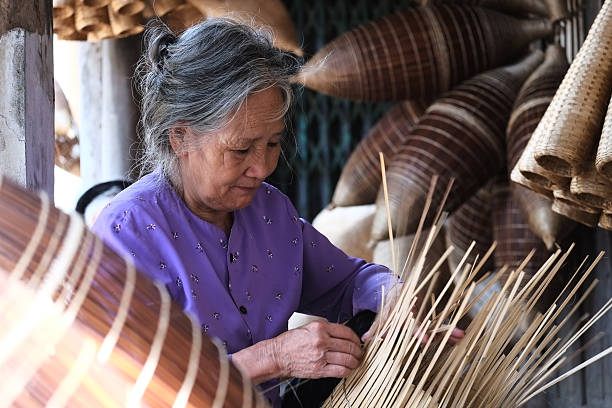
NGOs Helping Artisans Preserve Traditional Crafts All through the globe the normal crafts symbolize the tales, beliefs, and knowledge acquired of individuals handed down by generations. Industrial manufacturing is threatening these crafts right this moment as a result of younger folks haven’t any demand and have migrated to different trades and professions. NGOs helping artisans preserve traditional crafts play a essential position in conserving these cultural treasures alive. Additionally they exist with alternatives, providing coaching and entry to world markets. By sustaining the artisans, they not solely protect the heritage but additionally multiply entire communities. The “why” facets of conventional crafts. The normal craftspeople usually are not centered on the handmade merchandise solely. They symbolize tradition, historical past, and id. The mark of the values and abilities of a neighborhood is being carried by a woven basket or by a hand-painted pot and even by an embroidered cloth. The destruction of those crafts will entail the destruction of a portion of the human heritage. NGOs serving to artisans protect conventional crafts remind society that these abilities deserve recognition. Via their packages, the artisans are in a position to earn a residing in addition to protect some types of artwork for the approaching era. Specifics of Points Jacobs Confronted. Even these days, there are challenges that a number of artisans face. The demand for handmade objects is diminished as a consequence of mass manufacturing of merchandise in factories. One of many challenges that artisans are going through is competing on value. They’re additionally denied the chance to entry expertise, web markets, and good branding. Unhealthy revenue causes youthful folks to maneuver out of conventional crafts. Plenty of distinctive abilities shall be misplaced with out help. NGOs Helping Artisans Preserve Traditional Crafts deal with fixing these issues by connecting artisans to coaching, honest commerce alternatives, and digital platforms. The NGOs Help Artisans. NGOs serving to artisans protect conventional crafts work in some ways. They supply talent coaching packages to the artisans to improve their abilities and produce new variations of conventional crafts. They organize exhibitions and web-based campaigns concerning the significance of music turned in. By establishing networks, NGOs be sure that artisans within the rural areas are linked to shoppers within the city areas. Most additionally provide microfinance and grants to assist craft clusters. Such efforts allow the artisans to hold on their exercise with a way of dignity. Craft Preservation by way of Financial Empowerment. It doesn’t indicate that craft preservation is just artwork. It additionally enhances the agricultural economies. By pretty paying artisans to feed their households, educate their youngsters, and improve their lifestyle, the residing requirements shall be improved. NGOs Helping Artisans Preserve Traditional Crafts create cooperatives the place artisans can negotiate higher costs. The craftsmen earn extra revenue by excluding the middlemen. This financial stability is a superb motivator to remodel the youths again to crafts as a vocation. Digital Crafts: How They Redefine Traditional Crafts. Artisans discovered their lifeline in expertise. NGOs Helping Artisans Preserve Traditional Crafts introduce digital literacy, e-commerce coaching, and social media promotion. Cartoneros are taught to collectively {photograph} the merchandise and easy methods to submit them on the web, not mentioning easy methods to categorical themselves to the worldwide purchasers. It’s an internet publicity that gives entry to new markets with the goal of creating crafts stay sustainable. There are additionally quite a few world partnerships of NGOs that market the work of the artisan worldwide. Cultural Identification: Safeguarding the Buy. Crafts are greater than objects. They maintain cultural that means. Each design, each colour, and any sample is a narrative. NGOs serving to artisans protect conventional crafts shield this cultural id by encouraging artisans to keep up authenticity whereas adapting to trendy tastes. They promote narration when utilizing crafts, and that is various amongst patrons who hyperlink merchandise with domicile. It ends in the creation of admiration and appreciation in the direction of handmade traditions. Publish-Subsequent Era Coaching. The problem of making motivation among the many younger in order that they study to do crafts is among the largest. Many used to suppose backward-looking or financially abnormal. NGOs Helping Artisans Preserve Traditional Crafts create coaching packages for younger learners. Folks prepare within the artwork and enterprise of crafts in class, in workshops, and at neighborhood facilities. With the facet of the fusion of custom and invention, NGOs are guaranteeing that crafts usually are not thought-about as a factor of the previous, actually talking. Selling Eco-Friendliness and Sustainability. Crafts made by hand are largely eco-friendly as in comparison with these produced in factories. Probably the most primarily used ones are pure dyes, natural fiber, and recycled supplies. NGOs Helping Artisans Preserve Traditional Crafts promote these eco-friendly practices. They prepare the artisans in eco-friendly manufacturing and assist them by way of advertising and marketing as eco-friendly choices. This can help in attracting extra prospects who’re environmentally steady, producing new gross sales. Constructing World Consciousness Loading time—World Consciousness is Key to Craft Survival NGOs Helping Artisans Preserve Traditional Crafts collaborates with museums, cultural facilities, and worldwide organizations to showcase conventional artwork. They marketing campaign on social media, maintain craft gala’s, and collaborate with influencers. These have been working in the direction of enabling world prospects to understand the importance of helping the artisans. A better variety of people means elevated and improved costs and in addition sustainable sustainability in the long term. Case Research of NGO Efforts Numerous NGOs have delivered some great results. Others have a weaver neighborhood help situation whereby they help the craftsmen in creating style designs for the markets. Others additionally embody the revival of pottery practices in respect to the structuring of workshops amongst designers and retailers. Many NGOs serving to artisans protect conventional crafts create on-line portals the place artisans promote on to prospects worldwide. These are merely success tales of how the NGOs’ help and help might turn out to be useful to remodel weak crafts right into a profitable enterprise. Advantages Past Crafts Helping artisans

NGOs Helping Artisans Preserve Traditional Crafts Read More »

NGOFeed

How to Measure the Impact of Your NGO Projects

[ad_1] How to Measure the Impact of Your NGO Projects: It is necessary to measure the influence of NGO tasks not solely to adjust to accountability necessities of funders and stakeholders, but in addition to enhance processes, enhance interventions, and make sure that the communities being served are experiencing significant, enduring change. Revenue-seeking organizations usually function inside contexts of tangible change in a shorter interval of time, whereas the NGO sector resides inside contexts which are typically much less tangible and should take years to materialize. Due to this fact, it’s vital that NGOs construct structured processes to measure whether or not their applications have been efficient. This text will function a helpful useful resource to measure the influence of NGO tasks, current some thought-about frameworks, instruments, and techniques for NGOs to contemplate. Why Measuring NGO Impact Issues? Accountability to Stakeholders: Donors administration, governments, and companions need proof that their contributions assist obtain one thing optimistic. Clear reporting creates belief and confidence to assess future contributions.  Studying and Enchancment: Once we measure our influence in order that we all know what works and what doesn’t, we will make the most of this data as we enhance programming and reallocate sources to most impact and keep away from reinventing an ineffective wheel. Sustainability and Scale: Once we assess the influence from pilot tasks, we’re in a position to assess the potential if we scale up the tasks. If we will discover sustainable options that labored by way of the proof, we will replicate them throughout communities and areas. Neighborhood Empowerment: Impact evaluation is extra necessary than simply monitoring challenge success: it’s also necessary that the communities themselves see the output for their very own accountability. Impact evaluation offers the beneficiaries an necessary position in assessing applications and contributing their voice to the analysis course of in order that it retains the tasks related to group wants. Additionally Learn: LinkedIn vs X (Twitter) For NGOs: Which Social Community is Higher for NGO Networking? Key Ideas for Understanding Impact Measurement Inputs, Outputs, Outcomes and Impact Inputs are the sources invested in the challenge and embrace cash, employees, coaching, supplies). Outputs are the direct deliverables of the exercise (ex/ the whole quantity of workshops, on avenue walks, and so forth.) Outcomes refers to the quick and medium time period results (ex/ modified literacy charges after finishing the workshops). Impact refers to the long term, sustainable transformational change in communities (ex/ enhancements in indicators of poverty and well being). Quantitative vs. Qualitative Measurement Quantitative accounts for numeric indicators comparable to enrollment ratios, employment, vaccination charges, and so forth.  Qualitative accounts for what will be discovered from interviews, focus group discussions and private tales about lived experiences of change. How to Measure the Impact of Your NGO Projects – Steps Steps to Measure the Impact of NGO Projects Step 1: Outline Clear Targets and Aims Impact measurement begins with readability of function. Use the SMART framework (Particular, Measurable, Achievable, Related, Time-bound) to outline challenge targets. As an example: As a substitute of “Improve women’s empowerment,” goal for “Train 500 women in vocational skills within two years to enable them to earn independent incomes.” Additionally Learn: Video Content material vs Picture Content material for NGOs: What Engages NGO Audiences Higher? Step 2: Develop a Concept of Change (TOC) A Concept of Change maps out the logical pathway from actions to supposed outcomes and supreme influence. It solutions the query: If we do that, what change will it lead to? Instance: If an NGO supplies clear water amenities → kids undergo fewer waterborne illnesses → faculty attendance improves → long-term instructional outcomes enhance. Step 3: Select Key Efficiency Indicators (KPIs) Determine measurable indicators aligned with challenge targets. Well being challenge KPI: Discount in little one mortality fee. Schooling challenge KPI: Share enhance at school completion charges. Livelihood challenge KPI: Common enhance in family revenue. Step 4: Accumulate Baseline Knowledge Earlier than launching a challenge, NGOs should collect baseline information to perceive the present situations of beneficiaries. This turns into the benchmark for measuring progress. Instance: If solely 40% of women attend faculty in a goal village, baseline information ensures correct comparability after challenge implementation. Step 5: Implement Monitoring and Analysis (M&E) Techniques Monitoring: Steady monitoring of challenge actions and outputs. Analysis: Periodic evaluation of outcomes and influence to decide effectiveness. NGOs can set up M&E frameworks with common reporting cycles, suggestions loops, and evaluate mechanisms. Additionally Learn: Fb vs Instagram for NGO Fundraising: Which Platform Ought to You Focus On? Step 6: Use Knowledge Assortment Instruments A number of instruments and strategies can be utilized relying on the challenge sort: Surveys and Questionnaires: Accumulate large-scale information from beneficiaries. Focus Group Discussions: Present in-depth qualitative insights. Interviews and Case Research: Seize particular person tales of change. Remark and Area Visits: Validate findings on the floor. Digital Instruments: Cell apps, SMS surveys, and GIS mapping to observe influence effectively. Step 7: Analyze and Interpret Knowledge After accumulating information, NGOs should analyze it to assess tendencies, patterns, and outcomes. Quantitative evaluation: Statistical strategies like proportion change, progress fee, or regression evaluation. Qualitative evaluation: Thematic evaluation of narratives, beneficiary suggestions, and tales of transformation. Step 8: Report and Talk Outcomes Impact measurement is incomplete with out clear communication. NGOs ought to put together reviews tailor-made to totally different audiences: Donors and companions: Concentrate on outcomes, effectivity, and worth for cash. Neighborhood beneficiaries: Share findings in accessible codecs (native language, group conferences). Coverage makers: Spotlight broader social and financial implications. Step 9: Be taught and Adapt Suggestions from evaluations needs to be built-in into future challenge cycles. An NGO that adapts primarily based on classes discovered turns into extra resilient, progressive, and impactful over time. Additionally Learn: Digital Transformation in Nonprofit Sector: Adoption, Boundaries, and Advantages Frameworks and Fashions for NGO Impact Measurement Logical Framework Strategy (LogFrame): A extensively used device that hyperlinks inputs, outputs, outcomes, and influence in a structured matrix. Social Return on Funding (SROI): Measures the social, environmental, and

How to Measure the Impact of Your NGO Projects Read More »

NGOFeed

Understanding the Global Migration Crisis and the Role of NGOs in it

[ad_1] Global Migration Crisis and Role of NGOs: The worldwide migration disaster has develop into one of the most acute humanitarian points of the current day that transforms societies, economies, and politics throughout continents. Their properties are left behind as the folks in thousands and thousands transfer to search out security, dignity, and alternative as a result of battle, local weather change, poverty, or persecution. Primarily based on the current studies, the worldwide migrants have been at the highest ranges ever, with displacement being a attribute of the twenty first century. Though migration could make the host international locations richer via cultural variety and workforce, the overwhelming measurement of the fashionable disaster can shake the programs of governance, healthcare, and social help. Non-governmental organisations (NGOs) are essential in the face of such complexities. Since India’s NGOs have interaction in direct humanitarian intervention and safety of migrant rights in addition to long-term modifications to coverage, they’re at the centre of human expenditure related to migration. They supply meals, shelter, healthcare programs, training and psychosocial providers incessantly in areas the place state equipment has failed. Apart from, NGOs give voice to migrants, fight xenophobia, and improve group integration, in order that they have develop into invaluable individuals in emergency aid and sustainable growth. Additionally Learn: What Is Local weather Anxiousness and How NGOs Can Reply To understand the worldwide migration disaster, nevertheless, numbers usually are not sufficient; a extra in-depth examination of the expertise of displaced people and the revolutionary and responsive options that NGOs introduce to this humanitarian surroundings. Mapping these efforts helps a greater perceive of how the measurement of the disaster may be understood, in addition to the resilience and solidarity informing how it is being responded to. The Global Migration Crisis: Causes and Scale Migration shouldn’t be a brand new phenomenon in human historical past, but the largest problem in current a long time is the improve in the magnitude and complexity of international migration. The migration of residents is not a query of likelihood, however it is changing into a query of survival. The worldwide migration disaster is provoked by a mixture of elements, which power folks and households to desert their properties in the case of the want to flee in acute and even life-threatening circumstances. Armed Conflicts and Political Instability: Steady wars, civil and persecution actions depart thousands and thousands of folks to pursue their security. Areas equivalent to the Center East, some elements of Africa, and Japanese Europe proceed to be scorching spots of displacement. Local weather Change and Environmental Stress: The rise of sea degree, desertification, floods, and droughts evict the populations which might be weak, significantly in the low-income areas the place adaptation sources are restricted. Financial Inequalities: Unemployment, poverty, and unequal entry to sources are the elements that result in the migration of folks in pursuit of improved alternatives. Human Rights Violations: Discrimination based mostly on ethnicity, faith, gender, or political ideology stays one of the main causes for compelled migration. Additionally Learn: WHO Global Vitamin Targets 2025 As per studies on worldwide migration, there was an extra of worldwide migration, whereby greater than 280 million folks have been worldwide migrants, and greater than 100 million folks have been forcibly displaced by conflict and calamities. It is a scale that has by no means been witnessed, and that is how the urgency of the concern is underlined, along with the human facet of the concern. Migration is not a standalone drawback, however it is reworking the world in phrases of societies, economies and worldwide geopolitics in a big method. Challenges Confronted by Migrants and Host Nations The migration disaster witnessed in the world shouldn’t be merely an issue for the migrants but additionally for the international locations that obtain them. Although migration could also be a useful phenomenon to the economies and cultural foundations, the realities of displacement extra typically outcome in the hardships that deter particular person well-being and societal integration. For Migrants: Insufficient Entry to Fundamental Companies: A big quantity of migrants have difficulties accessing healthcare, training, housing and even social safety in the host international locations. Authorized and Documentation Limitations: Extended asylum processes, limiting visa insurance policies and ineffective identification of migrants deny them an opportunity to have regular livelihoods. Exploitation and Abuse: Undocumented migrants or marginalised migrants are extremely weak to trafficking, insecure working environments, and wage exploitation. Cultural and Language Limitations: Integration turns into difficult the place the migrants expertise a communication hole, discrimination or social exclusion. For Host Nations: Burden on Authorities Companies: An influx of migrants could result in quite a few challenges on the healthcare programs, training and the housing markets, significantly in these international locations that have already got restricted sources at their disposal. Coverage and Governance Points: The important thing concern is often politically divisive to strike a stability between humanitarian necessities and nationwide safety and financial stability. Growing Xenophobia and Social Tensions: The fallacious beliefs about migrants in the labour market or the change of cultural identities could flip into the causes of aggression and additional divisions amongst the host populations. These points exhibit the intricacy of migration: it is a humanitarian want, however the management over it ought to be well-coordinated, involving insurance policies, and combining short-term options with long-term, incorporating plans. Additionally Learn: WHO Psychological Well being Motion Plan to 2030 & Past Role of NGO Responses in the Global Migration Crisis and Interventions The worldwide migration disaster has left non-governmental organisations (NGOs) as the saviours of thousands and thousands of displaced people. In battle zones, in addition to in host international locations, NGOs reply to the pressing humanitarian calls for of folks, and, at the similar time, pursue long-term methods that assist to guard the dignity and rights of immigrant populations. Their interventions play an essential position in closing the hole left by overpowered or underfunded governments. Humanitarian Aid and Different Emergencies. The NGOs provide fundamental facilities like meals, water, shelter, and even clothes in refugee

Understanding the Global Migration Crisis and the Role of NGOs in it Read More »

NGOFeed

Historical past, Theme, Significance, Challenges, NGOs Role and so forth.

[ad_1] Although thousands and thousands of individuals worldwide nonetheless go hungry, malnourished, and meals insecure, meals is among the many most simple human wants. Yearly, the United Nations marks 16 October as World Meals Day to attract worldwide discover to this urgent drawback. The day underlines how essential it’s to ensure that each particular person has entry to sufficient, secure, nutritious meals and to achieve meals safety for everybody. World Meals Day reminds us of the necessity of collective duty amongst individuals, communities, and international locations to get rid of starvation, help sustainable agriculture, and create resilient meals techniques. It’s a name for motion to vary our meals manufacturing, distribution, and consumption patterns in order to ensure a more healthy world freed from starvation. Historical past of World Meals Day Throughout its twentieth Normal Convention, the Food and Agriculture Organization (FAO) of the United Nations set World Meals Day. 16 October commemorates the FAO’s creation date in 1945. Dr. Pál Romány, the previous Hungarian Minister of Agriculture, first instructed this worldwide occasion to acknowledge the contributions of the FAO in Strengthening worldwide meals safety and vitamin. Over 150 nations have noticed World Meals Day because it began, therefore it’s among the many most generally celebrated UN occasions. It has developed over time from merely underlining starvation to tackling larger points, together with sustainable agriculture, local weather change, biodiversity, and world meals justice. World Meals Day 2025 Theme Although the official theme for 2025 might be made obtainable nearer to the date, current themes supply data on its present targets: 2025: The theme for World Meals Day 2025 is “Hand in Hand for Better Foods and a Better Future,” which highlights the necessity for international, collaborative motion to attain a extra sustainable and food-secure world. This theme additionally serves as a tribute to the eightieth anniversary of the United Nations’ Meals and Agriculture Group (FAO). 2024: “Water is life, water is food. Leave no one behind.” 2023: Go away nobody behind; water is life and meals. 2022: Go away nobody behind. 2021: “Safe food right now for a tomorrow of health.” Emphasizing local weather resilience, sustainable meals techniques, and truthful entry, the anticipated theme for 2025 would possibly stick with it. One is perhaps: “Building a Sustainable Food Future: Nourishing People and Planet.” The topic highlights the connection between truthful useful resource distribution, environmental sustainability, and human well-being. Why does World Meals Day rely? World Meals Day is vital for its worldwide objective of eradicating starvation and malnutrition whereas additionally advancing sustainable technique of meals provide and manufacturing. Over 700 million individuals worldwide nonetheless undergo from starvation even in mild of agricultural and technological developments. Basic justifications for its significance: Will increase Data of Hunger: It reminds the globe that everybody ought to have primary human rights, not benefits, to meals. Encourages Sustainable Agriculture: Promotes inventive in environmentally pleasant and resource-efficient agricultural strategies. Helps to keep up world unity: Unites governments, NGOs, farmers, and other people below a standard trigger to eradicate starvation. Stimulates Motion towards Meals Waste: Greater than 30% of meals produced worldwide is squandered; as we speak encourages individuals to develop sustainable consumption practices. Hyperlinks meals to local weather motion: Reveals how agriculture is impacted by local weather change and emphasizes the need of resilient meals techniques. Empowers Farmers and Rural Communities: Understands how vital farmers are in feeding the planet sustainably, significantly smallholders. Role of nonprofits and civil society Tackling hunger, meals insecurity, and malnutrition relies upon totally on non-governmental organizations (NGOs). Their native presence, advocacy, and humanitarian actions complement official and worldwide packages. Vital NGO contributions: Meals Aid and Distribution Actions: NGOs assure meals for needy populations, together with refugees, catastrophe victims, and the underprivileged, throughout instances of disaster. Applications in Neighborhood Diet: Many NGOs combat malnutrition by means of youngster vitamin, maternal well being, and faculty meal initiatives. Agricultural Schooling and Help: NGOs instruct farmers in natural farming, water preservation, and sustainable land administration. Advocacy and Enlightenment: Organizations advocate for truthful commerce practices, decreased trash, and equal meals insurance policies. Partnerships and Coverage Assist: Working with governments and the FAO, WFP (World Meals Programmer), they perform meals safety initiatives. Examples: Specializing in meals aid and starvation alleviation is the World Meals Programme (WFP). Oxfam Worldwide focuses on sustainable agriculture and truthful commerce. Hundreds of thousands of schoolchildren get mid-day meals from the Akshaya Patra Basis (India). Feeding India (by Zomato) distributes leftover meals to these in want. Motion In opposition to Starvation raises consciousness of well being around the globe and fights malnutrition. Why will we observe World Meals Day? Celebration of World Meals Day honors the founding of the Meals and Agriculture Group and helps to lift worldwide resolve for the achievement of Zero Starvation (SDG 2). The social gathering shouldn’t be solely recognizing starvation but additionally greedy the entire meals system—from how meals is grown, transported, and consumed to how rubbish is dealt with. Celebrating today helps: Spotlight the necessity of sustainable meals manufacturing. Encourage friendship with these going through starvation and poverty. Promote worldwide collaboration for truthful meals techniques. Enhance your will to uphold the UN’s Sustainable Improvement Objectives (SDGs), particularly SDG 2: Zero Starvation. Actions and Occasions of Compass Governments, colleges, and nonprofits arrange many actions throughout to honor World Meals Day. These occasions hope to create motion, promote dialog, and improve information. Among the many most common actions are: Meals Drives and Donations Campaigns: Gathering meals provides for native shelters and meals pantries. Festivals for neighborhood feasts and meals: Encouragement of excellent meals and sharing regional, nutritious meals. Seminars and Workshops: Speaking about meals coverage, climate-smart agriculture, and sustainable agriculture. Applications for Faculties: Poster design, essay writing, and quiz contests about meals and vitamin. Cooking Reveals: Highlighting conventional meals and nutritious recipes. Consciousness Marches and Media Campaigns: Selling concepts about meals fairness and sustainability utilizing radio, tv, and social media. Kitchen gardens and tree plantings: Urging households and establishments to domesticate their very own meals. Paying Farmers and Meals

Historical past, Theme, Significance, Challenges, NGOs Role and so forth. Read More »