Yogesh Mahajan

Was bedeutet verantwortungsbewusstes Spielen?

Legal im Casino online in Deutschland spielen 2026 Live Casino Spiele bieten ein authentisches Erlebnis, da die Spiele in Echtzeit von echten Dealern geleitet werden. Alternativen für Spieler, die keine Slots mit progressiven Jackpots finden, sind zahlreiche andere spannende Slot-Optionen. Deutsche Online Casinos bieten eine Vielzahl von Slot-Spielen mit unterschiedlichen Themen und Stilen an. Diese Programme bieten oft zusätzliche Vorteile wie schnellere Auszahlungen, höhere Limits und persönliche Kundenbetreuer. Die Regeln für Neukundenboni gute online casinos und wöchentliche Werbeaktionen ermöglichen es Spielern, von verschiedenen Angeboten zu profitieren. Reload-Boni bieten Bestandskunden zusätzliches Guthaben auf ihre Einzahlungen. Wenn Sie Tischspiellimits mit Slot-Limits vergleichen, werden Sie einen gravierenden Unterschied feststellen, da Slot-Spiele ein viel größeres Gewinnpotential bieten. Ein Freispiel-Alarm am Mittwoch gibt Spielern 100 Freispiele für korrekte Einzahlungen. TOP Online Casinos in Deutschland ⭐ Von Experten geprüfte Auswahl ab Januar 2025 JETZT Spielen ♥ Slots, ♢ Tischspiele, ➤ Jackpots und ♤ Live-Casino Games. Sie haben das volle Spielerlebnis, egal ob Sie auf Ihrem Mobiltelefon oder zuhause am Computer spielen. Was bedeutet verantwortungsbewusstes Spielen? Die Anbieter mit deutscher Lizenz sind bekannt für ihre großzügigen Promotionen, die Spieler mit aufregenden Boni und Aktionen für das beste Online Casino und Spielotheken-Angebot in Deutschland belohnen. Mehr zu Lizenzen und Gesetzen in der Kategorie beste deutsche Online Casinos und Spielotheken erfahren Sie unten auf dieser Seite. Nur so können Sie sicher sein, dass der lizenzierte Anbieter auch zuverlässig mit Ihrem Geld umgeht und zum Schutz der Spieler Daten schützt. Wir sprechen Empfehlungen nur für Online Casinos und Spielotheken aus, die die GGL-Lizenz für Virtuelle Automatenspiele und/oder Online Casinospiele besitzen und von der Gemeinsamen Glücksspielbehörde der Länder (GGL) reguliert werden. Diese gewährleistet den Spielern im lizenzierten Glücksspiel in Deutschland optimale Sicherheit. Freispiele Sie können sie kontaktieren, wenn Sie ein illegales Casino finden. Wir raten Ihnen, mehrere Casinos aus unserem TOP online Casinos in Deutschland zu testen und das für Sie passende auszuwählen. Es gibt mehrere deutsche Casinos, die definitiv die Aufmerksamkeit der Spieler wert sind. Eine Übersicht über die besten davon finden Sie auf unserem Portal. Können nur neue Spieler einen Casino Bonus nutzen? Zusammenfassend bieten EU-lizenzierte Online Casinos deutschen Spielern eine sichere und attraktive Alternative zu rein deutschen Anbietern. Tischspiele und Live-Dealer-Formate spielen im deutschen Markt wegen der GGL-Regulierung eine untergeordnete Rolle. Ein GGL-lizenziertes online casino Deutschland passt nicht zu jedem Spielertyp. Um in einer deutschen Online Spielothek spielen zu dürfen, müssen die Spieler aus Deutschland kommen und mindestens 18 Jahre alt sein. Die auf der Webseite enthaltenen Informationen dürfen unter keinen Umständen für illegale Zwecke missbraucht werden. Eure übrigen Fragen und eure Kritik schickt mir an Vielleicht ist das beste Casino für Sie jenes mit einer deutschen Lizenz oder für Ihren Kollegen eines mit dem höchsten Casino Bonus ohne Einzahlung. Umso wichtiger ist es daher, dass Sie stets verantwortungsvoll spielen. Dann schreiben Sie uns eine E-Mail an -casinos.de Derzeit dürfen nur Casinos mit offizieller GGL-Lizenz ihre Online-Glücksspiele in Deutschland legal anbieten. In deutschen Online-Casinos werden alle Ihre Transaktionen kostenfrei bearbeitet. Besonders positiv fiel uns bei unseren BingBong Erfahrungen auf, dass BingBong seinen Willkommensbonus bereits ab einer Mindesteinzahlung von 1 Euro vergibt. Die benutzerfreundliche App ermöglicht es Ihnen, bequem von unterwegs aus zu spielen und beinhaltet alle Funktionen der Desktop-Version. Diese Liste ist eine wertvolle Ressource für Spieler, die sicherstellen möchten, dass sie in einem sicheren und regulierten Umfeld spielen. Hier spielen Sie gegen echte Croupiers über Streaming in HD-Qualität, was ein besonders aufregendes Spielerlebnis bietet. Ob Sie nach den besten Online Slots, den Top Live Casino Anbietern oder den besten Boni und Freispielen suchen – es gibt für jeden etwas. Von North Casino über Ricky Casino bis hin zu Dundeeslots – diese Casinos bieten alles, was das Herz eines Casino-Spielers begehrt. Die Auswahl der besten deutschen Online Casinos für 2026 basiert auf strengen Kriterien, die sicherstellen, dass Spieler ein erstklassiges Erlebnis genießen können. Der Anbieter ist zwar noch relativ neu auf dem deutschen Markt mit seinem Slot Angebot, behauptet sich jedoch schon erfolgreich gegenüber der Konkurrenz. Denn dieser ist maßgeblich dafür verantwortlich sein, ob ein Online Casino legal in Deutschland bespielen darf oder nicht. Die haben sich auf den deutschen Markt spezialisiert und schließen deutsche Spieler nicht aus. Damit möchten sie Rechtsstreitigkeiten von vornherein ausschließen, indem die bewusst auf den deutschen Markt verzichten. Tischspiele und Live Casino laufen nur über die Angebote einzelner Bundesländer und gelten dort nur für Spieler, die im Land wohnen und sich beim Spielen dort aufhalten. Mit deutscher Lizenz spielt ihr um echtes Geld an Online Spielautomaten und beim Online Poker, beides bundesweit. Die Basis sind ausschließlich legale Online Casinos mit deutscher Lizenz.

Was bedeutet verantwortungsbewusstes Spielen? Read More »

Spielotheken und Casino Test: nach diesen 6 Kriterien bewerten wir Echtgeld Glücksspielseiten

Online Casinos in Deutschland Echtgeld Online Casinos 2026 Die besten Online Casinos mit Echtgeld in Deutschland bieten eine Vielzahl an sicheren und seriösen Zahlungsmethoden, mit denen Ein- und Auszahlungen erledigt werden können. Des Weiteren wird von Online Echtgeld Casinos eng mit diversen Organisationen wie Check dein Spiel oder der BzgA zusammengearbeitet. Mit ID-Checks bei der Registrierung und der Vergabe einer Spieler-ID wird in einem legalen Echtgeld Online Casino sichergestellt, dass dem Jugendschutzgesetz entsprochen wird. Außerdem sind alle erlaubten Glücksspielanbieter und Betreiberfirmen in der Whitelist der GGL eingetragen. Die besten Echtgeld Roulette Tische in Deutschland warten auf Sie! Wählen Sie aus den besten Echtgeld Online Roulette Casinos aus unserer Topliste und melden Sie sich noch heute an. Online Echtgeld Roulette ist einfach flexibler und bietet mehr Abwechslung. Diese haben sich in den vergangenen 10 bis 20 Jahren extrem nützlich erwiesen und lizenzierten weiterhin beste Online Casinos in Europa. Der Demo-Modus eignet sich zum Regellernen, verhält sich aber manchmal anders als der Echtgeld-Modus. Gewinne bei GGL-lizenzierten Anbietern sind für Privatpersonen steuerfrei. Echtgeld Casinos können zur Gewohnheit werden – und dann zum Problem. Im gleichen Zusammenhang taucht auch der Begriff casino ohne OASIS oft auf, wobei Spieler wissen sollten, dass solche Angebote außerhalb des regulierten deutschen Systems laufen. Zum ersten Mal gibt es ein bundesweit einheitliches legales Rahmenwerk — speziell für deutsche Online Casinos mit Echtgeld Betrieb. Spielotheken und Casino Test: nach diesen 6 Kriterien bewerten wir Echtgeld Glücksspielseiten Sollte Ihnen Fortuna hold sein und Sie generieren gleich zu Beginn entsprechende Gewinne, werden Sie nicht größenwahnsinnig und setzen alles wieder ein, um noch mehr zu gewinnen. Die Online-Casinos bieten dafür genaue Spielerklärungen und oftmals auch die Möglichkeit, das Spiel zuerst mit Spielgeld zu testen. Es ist äußerst wichtig, dass Sie sich zuerst mit dem Spiel vertraut machen, bevor Sie Echtgeld einsetzen. Achte auf die Bonusangebote und auf die Bonusbedingungen Wir prüfen jeden Anbieter gegen die offizielle GGL-Whitelist für virtuelle Automatenspiele, bevor er gelistet wird. Umsatzbedingungen und Mindesteinzahlung bitte direkt beim Anbieter prüfen. Casinoonline.de ist Teil der #1 Online Casino Authority®, dem weltweit größten Casino-Affiliate-Netzwerk. Danach können Sie das Online Glücksspiel Angebot des Casinos zunächst einmal im Spielgeldmodus gratis unter die Lupe nehmen. Zunächst einmal sollten Sie sich einen seriösen Anbieter von Echtgeld Casino Spiel im Internet suchen. Wer auf Rechtssicherheit, deutschen Support und strenge Spielerschutzmaßnahmen Wert legt, ist bei lizenzierten deutschen Anbietern richtig. Der Spielablauf wird durch die gesamten Maßnahmen ziemlich eingeschränkt, zumal man nur eine gewisse Auswahl an Spielen zur Verfügung hat, wenn man mit Echtgeld im deutschen Casino spielen will. Das anbieterübergreifende monatliche Einzahlungslimit von 1.000 € pro Spieler ist nach §§ 6c, 6h GlüStV 2021 Pflicht. Die große Auswahl an Automatenspielen garantiert, dass für jeden Geschmack und jedes Budget das passende Spiel dabei ist – egal ob du auf klassische Slot Klassiker oder auf neue, actiongeladene Top 10 Slots stehst. Defacto stehen Malta Casinos sowie Curacao und Anjouan aber momentan bei Casinos online hoch im Kurs. Im Zuge deiner Registrierung kannst du dir bei Slotmagie bestes online casino 50 Freispiele ohne Einzahlung sichern. Ein hervorragendes Angebot für dein Spiel um Echtgeld findest du im Online Casino von Slotmagie. Die Ein- und Auszahlungen von Echtgeld kannst du bei BingBong unter anderem via PayPal abwickeln. Zahlst du zum ersten Mal auf dein Spielerkonto ein, winken zudem 100% Bonus bis zu 100€ und 50 Freispiele. Danach ist es Zeit für die ersten Echtgeld Einsätze an Spielautomaten und Spieltischen. EU Echtgeld Casinos haben verschiedene Zahlungsmöglichkeiten zur Auswahl, über die ihr euren Geld-Transfer vornehmen könnt. In vielen Echtgeld Online Casinos sind auch Demo Spiele kostenlos mit Spielgeld möglich. Zuerst könnt ihr gerne ein paar Online Casino Spiele ohne Echtgeld ausprobieren. Nur in deutschen Echtgeld Online Casinos erfolgt die Verifikation direkt bei der Anmeldung.

Spielotheken und Casino Test: nach diesen 6 Kriterien bewerten wir Echtgeld Glücksspielseiten Read More »

How NGOs Build Child Friendly Public Spaces

How NGOs Build Child Friendly Public Spaces in India

How NGOs Build Child Friendly Public Spaces Cities and towns in India are growing at an astonishing rate, and as this grows, there is a need to make safe, inclusive, and friendly places that support children. Most urban neighborhoods have no special areas where children can meet, learn, and play. In these areas, safety, accessibility, and inclusivity tend to be second-best considerations. The real work of non-governmental organizations (NGOs) is involved here. This is evidenced by their novel approaches How NGOs Build Child Friendly Public Spaces of practice that value health, creativity, and community participation. Such organizations are not merely establishing parks or playgrounds. They are creating environments that can make children grow physically, emotionally, and socially. With the synthesis of both local and international standards, the NGOs aid the redesigning of the appearance of a public space among the youngest generations of society members. This paper discusses the tactics, instances, and issues that bring to the fore the approaches that NGOs adopt in developing child-friendly areas within the Indian community and also puts into consideration the significance of community strengthening and sustainable development. The Fallacy of Illicit Process. Childhood is one of the periods when such exploration and learning happen naturally. Children lack supportive environments that can help them grow and gain confidence. Adult interests are regularly considered in places of more social gathering, but the interests of a child are possibly not a consideration. Conversely, How NGOs Build Child Friendly Public Spaces focuses on creating a place that focuses on the protection of children, their education, and their entertainment. Techniques that NGOs employ to make public places child-friendly. 1. Community Participation Engaging the community is one of the most robust approaches to How NGOs Build Child Friendly Public Spaces. Teachers, local leaders, and parents can be invited to express their opinions. Among children, workshops are usually planned. This will guarantee that designs achieved are not based on assumptions but on real needs. 2. Safety as a Priority Safety is non-negotiable. NGO spaces contain adequate lighting, playground equipment, proper boundaries, and volunteers or staff. This will bring confidence to the parents and make them use it consistently. 3. Impartiality and Openness. The child-friendly place should embrace children living with disabilities, girls, and minority children. This is achieved through the addition of ramps, sensorial play zones, gender-sensitive facilities, and local language signs by NGOs. This emphasis on inclusivity features the way in which NGOs create child-friendly places in the public that are unrestricted for all people. 4. Blending Learning with Play The contemporary designs suggest sharing stories in corners, interactive walls, and natural areas. In this manner children get to learn and have fun at the same time. The assimilation balances physical activity with intellectual and creative development. 5. Sustainable Designs The second aspect is sustainability. Most NGOs recycle, employ water harvesting systems, and use paints that do not pollute the environment. These more environmentally friendly decisions are less expensive and also educate the children on the importance of environmental responsibility. Real-Life Examples in India Bal Bhavan Projects The NGOs in India have collaborated with local governments in certain Indian states in constructing Bal Bhavans. These kid-oriented centers provide services such as arts, sports, and cultural programs. Here you can find the process where NGOs create child-friendly public spaces in the sense that these centers can be regarded as centers of creativity and learning. Parks in Town Slums. The non-governmental organizations in Mumbai and Delhi have transformed unused pieces of land into safe recreational community parks. These parks include play corners, play corners, and swings. They are embodiments of the potential changes that can be made to unutilized areas to make them attractive places that can be enjoyed with children. School-Linked Playgrounds In some of the cases, some NGOs liaise with the schools and set up dual-purpose playgrounds. These playgrounds are open to the community in the evening and to the students in the daytime. This pair of applications illustrates viable alternatives of how NGOs create child-friendly social places that function in the most effective way. Challenges Faced by NGOs Limited Funding The child-friendly areas take constant funds to establish and upkeep. NGOs attain reliance on donations, grants, or partnering. The absence of financial stability may hamper the process. Bureaucratic Delays Local authority is usually very slow when it comes to approval. The delays might influence the project speed and even demotivate donors. Maintenance Issues Maintaining a child-friendly environment is like creating one. Unless such spaces are owned by the community, they may end up being neglected. Through these obstacles, NGOs go out of their way to create new avenues to beat the odds, as this is regarded as intent to make long-term changes. How NGOs Work with Government and Businesses. Alliances are important to impact scale. Several NGOs engage the municipalities to secure land that is used in child-related endeavors. Businesses also contribute it in the form of corporate social responsibility (CSR). Through these forms of alliances, NGOs increase their power and expand their influence. Through these partnerships, once again NGOs create child-friendly places in society through sharing their resources, experience, and goodwill. Larger Contribution to Societies. Child-friendly areas are not only child-friendly. Parents are at ease knowing that their children are in safe hands. It is the healthy communities that are proud of good areas. Better livelihoods are common in areas where many families surround the zone of local vendors. This is the social and economic benefit of the NGOs’ construction of child-friendly public spaces, as seen in the economic value of this ripple effect. Prospects of Child Friendliness of Public Spaces in India. Cities are going to be more and more child-friendly as the number of children grows. It is either the NGOs will continue playing a larger role. They will go on creating new ways in which NGOs create child-friendly public spaces in India by balancing traditional wisdom with new technology. Conclusion about How NGOs Build Child Friendly Public Spaces NGOs develop child-friendly public spaces

How NGOs Build Child Friendly Public Spaces in India Read More »

How NGOs Help Seniors Start Small Businesses

How NGOs Help Seniors Start Small Businesses

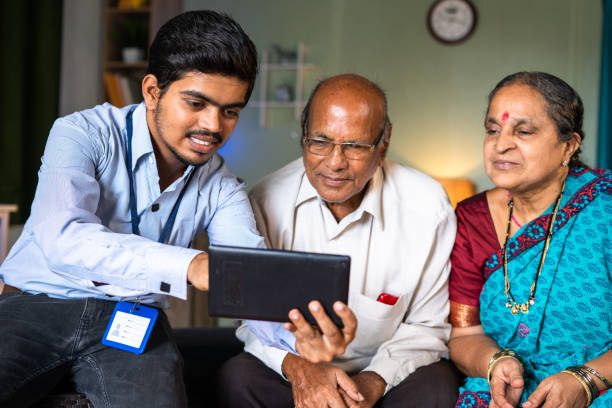
How NGOs Help Seniors Start Small Businesses Even after retirement, remembering making a business look like an obstacle is hard, but today most seniors are shattering the system by turning their talents and interests into profitable activities. Their support in most instances is through the non-governmental organizations (NGOs) that mentor, coach, and empower them to do well. Understanding how NGOs help seniors start small businesses is essential because it highlights a vital path toward financial independence, active aging, and community growth. This paper will talk about the ways in which the NGOs provide opportunities, offer tools, and make sure the seniors feel comfortable when embarking on an entrepreneurial path. The Reasons Senior Citizens Use Entrepreneurship. The elderly retire with little savings, and some of them desire to stay productive and active. Taking on a small business gives them an opportunity to put their life experience to better use. It also assists them to remain social, economically stable, and mentally alert. The older generation is typically patient, committed, and strategic in small business and is extremely valuable in solving small business problems. Nonetheless, they can experience a problem in regard to technology, emerging market conditions, or finances. This is where NGOs come in and occupy the vacuum. The Position of NGOs in Using Aging to Empower the Seniors. When discussing how NGOs help seniors start small businesses, the first step is empowerment. NGOs aim at helping the seniors gain confidence by demonstrating to them that old age is not their end. Most of the programs only focus on skills that the seniors already possess, like cooking, crafts, teaching, or farming, and then use the same in turning them into viable business ideas. Through this model, seniors feel empowered, motivated, and supported. Business skills trainings. One of the most practical ways NGOs help seniors start small businesses is through training. The elderly have a tendency to require new information regarding online marketing, accounting, customer service, and electronic product development. NGOs do workshops and online sessions to make these things easier. True to their expectation, trainers entertain them through regular language usage where clear concepts are explained in simple language that makes sure that seniors understand and can apply it in practice at the same time. There are also NGOs that expose them to digital selling online tools, making their business more competitive in the market. Microcredit and financial monetary aid choices. The largest obstacle can be access to funding. NGOs intervene either through microfinance (offering small loans), grants, or collaborations with a local bank to access a small loan facility. The terms of this financial aid are flexible and consider the needs of the seniors. How NGOs help seniors start small businesses in this area is by ensuring seniors do not feel burdened by complex banking requirements. NGOs also aid in budgeting and financial planning; thus, the elderly are taught how to earn and spend their income efficiently. Mentorship and Guidance Other support areas are also mentorship. Elderly people will build their own world with an individual approach guided by more experienced professionals or entrepreneurs. They are introduced to mentors by NGOs to get practical information about how to operate a small business, deal with customers, and remain competitive. This one-on-one guidance shows exactly how NGOs help seniors start small businesses by bridging the knowledge gap with lived experiences. Networking opportunities are provided to the senior fellows. Network-building is a crucial process in any business. The aged have limited knowledge of how they can engage with their suppliers, customers, or other parties. NGOs also conduct fairs, exhibitions, and community centers that will enable the elderly to promote their services or products. The events promote trust and generate a good customer base. Networking also helps the seniors to stay social and minimize the isolation and loneliness besides putting appearances on their businesses. Marketing Social Enterprises. A unique way NGOs help seniors start small businesses is by promoting social enterprises. Seniors also possess many hobbies or talents that can be used to back up a social cause (e.g., eco-friendly products, local food, traditional handicraft). These businesses are pointed out by NGOs as the assets of the community and contribute to their marketing by various means like campaigns, social media, and partnering with local shops. It is a two-fold strategy in the sense that the senior citizens get to earn some cash and, in the process, contribute to the society. Building Digital Literacy Older adults fear technology. However, the modern businesses require digital presence. NGOs also engage in delivering practical training to the elderly to authorize them to utilize smartphones, social networking, and online shopping sites. Phased instructions will assist them to make adjustments as quickly as they can. How NGOs Help Seniors Start Small Businesses becomes evident here as seniors move from offline-only sales to broader online markets. Successes of Elderly Businesspersons. Around the world, many inspiring examples show how NGOs help seniors start small businesses with remarkable results. Teachers can become tutors on their retirement, housewives become cooks according to their own needs, and farmers build organic lines of products. The stories encourage other people as well as demonstrate that elderly people can succeed in business as long as they get proper aid. To motivate more seniors and reflect their achievements, NGOs formulate the following success stories. Challenges older adults face and non-governmental organizations’ solutions. Even with the amazing level of assistance NGOs have to offer, elderly citizens struggle with matters such as physical health, competitions on the market, or lack of confidence. To respond, NGOs provide flexible programs that enable the seniors to work at their leisure. They also offer emotional counseling and peer support groups so that none of the seniors feel left out. How NGOs help seniors start small businesses in such cases is by creating a holistic ecosystem that goes beyond just financial support. Community and family involvement. Family support contributes significantly to the success of the older. Through their NGOs, family members often participate in training and

How NGOs Help Seniors Start Small Businesses Read More »

How NGOs Support Young Changemakersin India

How NGOs Support Young Changemakers in India

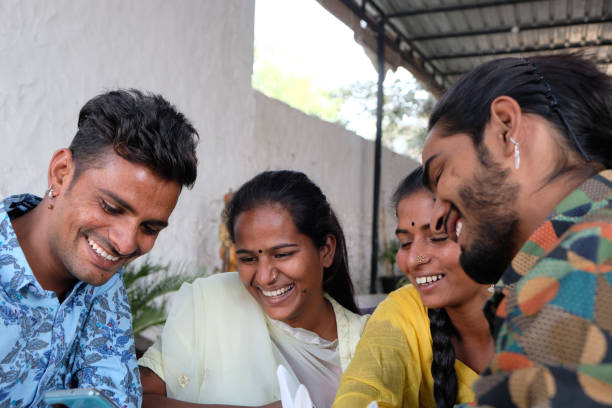
How NGOs Support Young Changemakers India has never lacked talented, energetic, and enthusiastic young minds. In small towns andlarge cities, young people aspire to an improved society and know issues to do with education, health, environment, and equality. Yet, as powerful as passion is, resources, mentorship, and platforms tend to be scarce. It is here that the non-governmental bodies intervene with outfitted programs, training, and instruction. There is much more than funding or awareness campaigns in How NGOs Support Young Change Makers in India. It is concerned with building a platform on which young people can grow up, becoming leaders, innovators, and decision-makers. Through identifying knowledge on the community and collising with existing structured opportunities, NGOs enable young individuals to make their ideas a reality. NGOs’ role in youth empowerment. When individuals provide the questions, How NGOs Support Young Changemakers in India: This question starts with the term “empowerment.” NGOs also connect young people to professionals in various activities and so create knowledge and networks that are crucial to any change process. As a rule, the Access to Education and Skill Development. Education has still been termed as one of the most effective instruments of change. NGOs appreciate that, and in most cases they craft learning programs that are action-oriented. NGOs now operate computer literacy schools, computer classes, and life-religion classes. These are extracurricular activities that expose the young people to practicing in the real world. The role of NGOs in supporting young changemakers in India can be well understood when a poor student is introduced to online education or trained on how to speak publicly or financial literacy. These skills do not only enhance their career but also make them courageous enough to spearheadcommunity projects. Promoting Social Entrepreneurship. Youth no longer desires employment but solutions. It is this spirit of entrepreneurship that NGOs foster. They present the young innovators with funds, centers, and pitch events. In the form of systematic assistance, NGOs also help the young people to create start-ups on the issues of social concern, such as waste management, clean energy, or gender equality. The support that can be given to young changemakers in India by NGOs can be traced in several stories that seemed to be simple ideas but have led to businesses with employment and the solution of actual problems. Developing Leadership and Advocacy Skills. Change makers must have a powerful voice. The NGOs will also give young people an opportunity to address conferences, policy forums, and major events in the world. They mentor them in advocacy, negotiation, and talking to people. When this is done, the youth are taught how to deal with the government, the media, and other international organizations. By doing this, How NGOs Support Young Changemakers in India goes beyond the local level. It also produces leaders who shape up policies and agitate necessary changes in the system. Advancing Pluralism and Multiculturalism. India is not homogenous; young change makers present each with various backgrounds. NGOs make sure that no voice is left unheard, including the voice of those who may belong to the marginalized groups. They offer equity in gender, in rural students, and in differently abled students. This is the inclusion that How NGOs Support Young Changemakers in India has. NGOs fill gaps, thus demonstrating to young leaders that no change can occur in the absence of all. Associations and Sponsorship Opportunities. Youths feel lonely in their attempt to develop new concepts. This issue is resolved by NGOs through the creation of networking opportunities. They host youth summits and region-wise/international exchange programs. These areas promote international cooperation on an intrastate and international level. This cooperation method reflects how NGOs support young changemakers in India by working together and concentrating on a common problem. Availability of Resources and Finances. They even teach them proposal writing, budgeting, and project management. Such practical teachings are said to make the youth initiatives sustainable. How NGOs support young changemakers in India is best seen when a small project expands because it receives not just money but also proper financial training. This gives birth to a breed of leaders who are good in both vision and management. Inspiring Real-Life Stories It could be a country girl fighting to apply education to the children of her village, or it could be a college student coming up with low-cost health care solutions; either way, this inspires people. Sharing them, NGOs once again demonstrate how NGOs support young changemakers in India not only through advice but also by providing relevant examples. Technological and intermediary support. The modern digital era demands technology in distributing ideas. The NGOs assist young leaders in learning to use social media, develop websites, and set up online campaigns. They are also instructing safety and responsible use of the Internet. This support helps the youth address more masses and raise their voices. It is also another aspect of how NGOs support young changemakers in India that technology makes a transition point between the ideas of the grassroots and the world. Mentorship and Long-term Mentoring. Love does not last in the absence of proper instructions. NGOs offer regular mentorship, which enables the youth to be motivated. Practical tips are given by experienced mentors, problems are resolved, and notorious issues are celebrated. One of the best responses to the question of how NGOs support young changemakers in India can be long-term support, as youth initiatives approaching the break because of inadequate funding and poor timing will be met halfway and supported to completion until they achieve change. Conclusion A young changemakerin India has an energetic, hopeful, and difficult journey to accomplish. The NGOs serve as the driving force that gives resources, training, and inspiration. NGOs are reshaping the future leaders by empowering the younger generation and promoting social innovation and inclusiveness. How NGOs Benefit the Young Changemakersin India is not a mere sentence, but it is a fact that can be seen around each and every part of the country. FAQs What is the importance of NGOs to

How NGOs Support Young Changemakers in India Read More »

How NGOs Train Caregivers for Old Age Homes

How NGOs Train Caregivers for Old Age Homes in India

How NGOs Train Caregivers for Old Age Homes India is on the path towards the aging society, where the aging population is increasing year after year. It is not possible to attend to senior members as this should be done, due to work pressure, health complications, or migration problems. Old age homes are of great significance in such instances that provide shelter, security, and care. However, the standard of life within these homes rests on the abilities and emotions of the carers. It is upon training that the NGOs come in with professional training. The article Understanding How NGOs Train Caregivers for Old Age Homes in India can make us understand how the elderly receive not only medical assistance but also emotional and social support. The Emerging Shortage of Proficient Nurses. The aged do not only require food and bed. They need support, healthcare, and help on a daily basis. An ill-trained caregiver may make the lifestyle of both the older person and the company stressful. Nurse practitioners are competent professionals who come with patience, compassion, and experience. NGOs walked into these distinctions several years back and began initiatives to train workers capable of managing these requests skillfully and heartily. As we read the paper How NGOs Train Caregivers to Old Age Homes, we observe that the exercise is both a technical and personal improvement. Why NGOs Take the Lead The private institutions may not have funds to educate the caregivers in detail. To achieve whole-person training, however, NGOs pool donor funds and collaborate with hospitals as well as government programs. They also retain the theme of affordability so that even low-income earners can attend. This would be advantageous to the society and the old. How NGOs Train Caregivers to Old Age Homes is one piece of literature that provides a clear picture of the role of the NGOs as change-trained. Core Training Modules When asking how NGOs train caregivers for old age homes, it is important to know what exactly they teach. Training modules generally consist of These modules are provided in bits, but there are practical sessions where the learners get to apply it practically in life. Medical expert role in training. A major part of How NGOs Train Caregivers for Old Age Homes involves inviting doctors, nurses, and psychologists to lead sessions. Professionals give practice examples and show how it should be done. This generates confidence and credibility. The trainees do not just learn based on book notes, but they also learn based on scenarios presented by the professionals. This practical approach means that once they enter into an old age home, they would not be challenged when it comes to daily activities. Central to the higher learning course is exposure to practice through practical’s and internships. It is not sufficient to know what has been written in textbooks. Groups of non-governmental organizations ensure that interns spend weeks or months working in real old age homes or hospitals under supervision. This field exposure is central to How NGOs Train Caregivers for Old Age Homes. Under internships, the trainees have to manage routines in and out of daily schedules, do it during meals, help seniors in physiotherapy, and console them during difficult moments. The experience of this makes people patient and strong. Heart of Darkness in Nursing. Caregivers are not robots; they handle human emotions daily. The elderly can feel deserted, furious, or sad. Caregivers are taught emotional intelligence during the training programs to remain calm, responsive, and empathetic while conveying their ideas using language and respect. This part of How NGOs Train Caregivers for Old Age Homes is as important as medical training. It makes the seniors feel that they are treasured and cherished. Training on Language and Communication. India is a culturally diverse place, and while taking care of the seniors, caregivers usually encounter the challenge of some seniors not speaking the same language as they. NGOs have been known to include basic lingo lessons, including nice greetings or vernacular lingo. So, improved communication will decrease frustration and generate trust. Application of technology in training. Contemporary non-governmental organizations are implementing online technologies such as computer-based learning, mobile applications, and demonstrations. This will assist the trainees to revise the lessons at any time as well as study at a pace they feel comfortable with. Even some NGOs refer to virtual reality to experience an emergency instance. IT is also now included in How NGOs Train Caregivers for Old Age Homes, making the training process more interactive and rapid. Cooperation with Government and the Private Sector. The NGOs usually collaborate with governmental health departments, non-governmental charities, and commercial hospitals. Such alliances contribute to financing, accreditation, and awareness creation. This network provides the trainees with credit and improved career opportunities. In reference to How NGOs Train Caregivers for Old Age Homes, these partnerships demonstrate that training extends beyond classrooms. Possible Future of Caregiver Training in India. As the population grows more elderly, the number of people in need of caretakers will increase. Advanced training involving dementia care, physiotherapy, and palliative care is what is currently being planned by NGOs. Through standards and collaboration with policymakers, NGOs are determining the future of elderly care. How NGOs Train Caregivers to Old Age Homes remains in its formative stage, and its significance will continue to increase in the next few decades. Conclusion Caregiving is not a profession; it is a service to mankind. NGOs are taking the forefront in India by quickly training skilled, compassionate, and ethical professionals in providing care to old age homes. They employ organized modules, professional leadership, practical use, and emotional intelligence as ways of training. They also offer employment opportunities to a large number of the youngsters, which has a social goodness cause and effect. The case study of How NGOs Train Caregivers for Old Age Homes has given us enhanced respect for how people work to make the life of the aged easier. FAQs What is the significance of training the caregivers in the old

How NGOs Train Caregivers for Old Age Homes in India Read More »

How NGOs Use Technology for Elderly Care in India

How NGOs Use Technology for Elderly Care in India

How NGOs Use Technology for Elderly Care in India India possesses one of the world’s fastest-growing stocks of the elderly population. As this population expands, difficulties arise when considering health care, mobility, socialization, and security of the aged. The family-loving tradition support often gets overloaded with the migration of citizens to urban areas and a transforming lifestyle. In such a case the topic of how NGOs use technology in elderly care in India has been considered to be more of critical concern. The NGOs are rising up by not only integrating compassion with the modern attributes but also by making sure that seniors are living dignified lives that are independent and healthy. The Increasing Demand of Elderly Day Care in India. The accessibility of care is low. Through the article “How NGOs Use Technology for Elderly Care in India,” we can observe the role of digital solutions in sealing this divide. NGOs simplify access and affordability of elderly care through telemedicine, where elderly counseling can be done online. Contribution of NGOs to Utilizing Digital Platforms. This shows clearly how NGOs use technology for elderly care in India to provide solutions without the need for seniors to travel long distances. Telehealth Elderly Care. Telemedicine has been recognized as one of the most effective innovations. Aging people who are residing in distant places find it difficult to access hospitals. NGOs plan online consultations during which doctors treat and prescribe via video calls. Interns help seniors install the technology. With this kind of service, How NGOs Use Technology in Elderly Care in India will be a narrative of healthcare on the doorstep. Smart clothes and fitness bracelets. Fitbit and other wearable devices such as medical alert systems are transforming elderly care. These devices are given out free of charge or for a small fee to seniors by NGOs. It monitors heart rate, blood pressure, and daily activity. Information is also distributed amongst healthcare providers who are in a position to take action on short notice in the event of a mishap. This is a practical case of how NGOs use technology for elderly care in India through the integration of real-time data and professional care. Online Counseling. Seniors are lonely, and it is a silent problem. Most of the NGOs are currently providing online counseling and peer support groups. The elderly are taking part in video calls during which they exchange experiences and are coached by experts. As the paper How NGOs Use Technology for Elderly Care in India points out, mental wellness is as valuable as physical wellness. Safety and Emergency Support System. Technology can also be used by NGOs to enhance safety. Emergency alert apps are helpful because seniors may call and request assistance by clicking with one finger. GPS tracking devices can help families to find aged individuals when they lose their track because of memory impairments. Such efforts highlight the article “How NGOs Use Technology for Elderly Care in India” as an instrument of security and tranquility. Training the seniors on digital literacy. Technology is not helpful because the seniors have to know how to use it. NGOs hold training to learn how to use a smartphone, how to use video calls, and how to be cautious on the internet. Step-by-step simple lessons create confidence and self-X. Investing in education, How NGOs Use Technology in Elderly Care in India also results in the digital divide isolating the aged. Putting Seniors in Touch with International Families. Video calls and digital communication devices allow the elderly to be in touch with their emotions, as many of them also live abroad. NGOs have established video conferencing where elders have none at home. This is another aspect of how NGOs use technology for elderly care in India and maintain family ties at a distance. The Social Media Coming Together. The NGOs urge the elderly to participate in social media, where the aging seniors can exchange their hobbies and photographs or talk about their cultures. The virtual communities help to eliminate the sense of loneliness and provide support nets. These online sites demonstrate how NGOs use technology to care for the elderly in India by creating a sense of belongingness to an area despite not meeting the physical frontiers. E-Learning and Developing the Skills. There are still older people waiting to learn or even begin small businesses. t. NGOs: These are offered very cheap e-learning opportunities where they acquire language skills, computer skills, and entrepreneurship skills. Offering digital classes on how to work with the elders through the How NGOs Use Technology for Elderly Care in India will help the elderly stay productive and active. Stories of Successes in Various Areas. In India, the number of aging people who are taking advantage is numerous. Telemedicine has enriched lives in rural regions by providing opportune counseling. Trendy gadgets in cities have lowered the number of hospitals. The emotional support programs have reduced the loneliness among widowed older people. These narratives render the use of technology by non-governmental organizations to provide care to the elderly in India an actual achievable outcome in urban and rural places. Conclusion The question of how NGOs use technology for elderly care in India has many answers, but the message is clear. To address the increasing demands of elder people, NGOs are integrating charitable giving with innovation. Such technology as telemedicine and wearable devices, as well as online communities and digital training, makes sure the elderly can enjoy the digital age without feeling isolated. This radiance of care combined with technology makes seniors across India live healthier, safer, and more intertwined lives. As they grow, NGOs will persist in demonstrating that technology, when operating under the influence of empathy, can change the face of geriatric care to a better place. FAQs What are the types of technology that the NGOs use in elderly care in India? They explore telemedicine and wearable health technology, safety applications, online counseling platforms, and social media support groups to assist the elderly population.

How NGOs Use Technology for Elderly Care in India Read More »

NGOs Creating Senior Citizen Clubs in Villages

NGOs Creating Senior Citizen Clubs in Villages in India

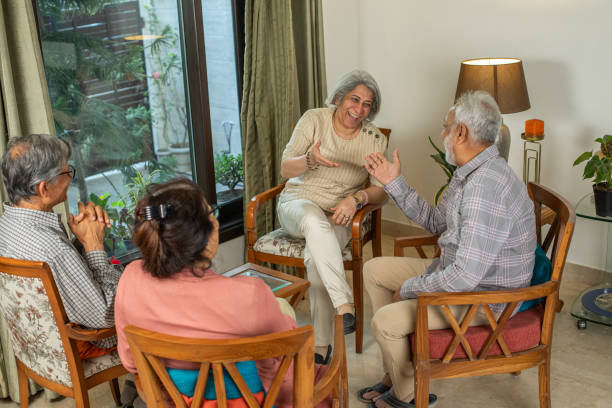
NGOs Creating Senior Citizen Clubs in Villages The senior citizen inhabitants is without doubt one of the highest in India. Within the nation, social isolation, well being issues, and loneliness are frequent amongst its people who find themselves aged. It’s because households would transfer to the town and go away previous mother and father in the town with out a lot to maintain them. As such, NGOs forming senior citizen golf equipment in villages have emerged as a motivational method of curbing this challenge. Such golf equipment present the elder era with a possibility to attach with each other, change experiences, preserve busy, and feel loved and respected. They don’t seem to be solely locations of interplay but additionally safe environments that improve the life of the aged. The Rising Demand to be Bolstered in the Villages. India is remodeling quick in the agricultural areas. The older generations to migrate to cities to review and work and don’t get frequent contact with the youthful era. A excessive variety of the aged have difficulties with their isolation, melancholy, and sickness. Although there could also be authorities schemes, these should not at all times ready to be efficient on the grassroots degree. That is the place the NGOs creating senior citizen golf equipment in villages come in. They deal with gaps, constructing communities, and creating golf equipment the place the aged can meet individuals, obtain healthcare, and in addition interact in actions that preserve them lively. NGOs in shaping the agricultural growth. The Non-Governmental Organizations (NGOs) have been training rural growth for a really very long time. They occupy vital vacuums in areas comparable to training and well being in addition to girls’s empowerment. The instance of NGOs that set up senior citizen golf equipment in villages signifies how these organizations change in keeping with the brand new calls for. They unite volunteers, native chiefs, and healthcare suppliers in growing packages for the previous. In distinction to the federal government workplaces, NGOs have the power to work extra rapidly, achieve well-liked presence on the grassroots, and supply private help. The operation of senior citizen golf equipment. In villages older grownup golf equipment usually encompass a donated or college constructing or a group corridor. They meet on specific days when the members carry out cultural occasions or video games and do well being checkups. Different golf equipment are yoga, story-telling evenings, and workshops primarily based on abilities (comparable to gardening or handicrafts). NGOs establishing senior citizen golf equipment in villages guarantee that there isn’t a exercise that’s complicated, costly, or closed. Well being camps with docs and individuals to counsel them about their psychological wellness are additionally frequent in completely different golf equipment. By so doing, older adults stay sociable with each other and in addition care about their bodily and emotional well-being. Social Items of those Clubs. The social welfare of elder citizen golf equipment is gigantic. When the elders are allowed to work together with like-minded individuals, loneliness is lowered. Friendships which can be established inside these golf equipment assist people construct an extension of the assist system even past the conferences. Individuals will rejoice collectively, keep in mind their birthdays, and share their conventional information. NGOs creating senior citizen golf equipment in villages guarantee that senior residents regain a way of belonging. Now they’re not invisible members of village life. Ability-Oriented Applications and Financial Applications. Plenty of the non-governmental organizations develop competency-oriented packages among the many aged as properly. Different older persons are aware of the standard crafts or farming practices or different storytelling methods that may deliver revenues. Clubs rework information into alternative by connecting them with self-help teams or native markets. NGOs establishing senior citizen golf equipment in villages normally prepare aged girls on the handicraft or the meals product whose components are wealthy in vitamin and provides them monetary independence. Even minor revenue obtained on account of such actions accumulates satisfaction and vanity amongst seniors. Help to elders in well being care. The medical situation is without doubt one of the most vital points in villages with distant hospitals. The aged are recognized to contract diabetes, hypertension, and arthritis. The NGOs kind senior citizen golf equipment in villages, organizing common well being checkups, eye camps, and consciousness campaigns. Easy self-care well being checks, comparable to checking of blood sugar or blood strain, are carried out at membership conferences. NGOs additional elevate consciousness about authorities well being plans and help the aged with the advantages. This outpatient care will present superior medical outcomes and decrease medical neglect. Moral and Psychological Help. When kids go away their native communities, elders discover themselves being deserted by their family. These are melancholy, nervousness, and emotions of lack of self-worth. Senior citizen golf equipment present them with a secure atmosphere the place they’ve the chance to talk freely, reminisce, and snicker collectively. NGOs creating senior citizen golf equipment in villages usually deliver in counselors or social staff who information seniors on stress administration. Stress is mitigated via easy train packages comparable to storytelling, people singing, and group video games. The elders are made to really feel vital, they usually turn into joyful and assured once more. Intergenerational Bonding Intergenerational bonding can also be an vital attribute of those golf equipment. They’re invited to mingle with the youths in faculties and the youth teams. The seniors train kids people tales, cultural traditions, and village historical past. Nevertheless, the youthful volunteers assist older people study to function a cell phone, digital banking, or video calling to be near their household. The latter occurs when NGOs set up senior citizen golf equipment in villages, making certain the continuity of traditions, in addition to aiding the aged to regulate to the present atmosphere. Girls’s and senior citizen golf equipment. Gender discrimination and ageing are two points that put aged girls in a disaster in the villages. There are widows who dwell oppressively poor. NGOs creating senior citizen golf equipment in villages give them a platform

NGOs Creating Senior Citizen Clubs in Villages in India Read More »

Gross Profit vs Net Income: What’s the Difference?

When employers discuss compensation packages or employees evaluate job offers, gross income is typically the figure used. However, net income determines what you can actually spend on rent, groceries, and savings each month. The gap between these two numbers can be substantial, sometimes 20 to 30 percent or more depending on your situation. Gross income is the total revenue a business generates from goods and services sold, minus the cost of goods sold (COGS). It’s often referred to as gross because it’s the earnings before you touch operating expenses, taxes, or overhead like marketing costs or utility bills. Gross income gives you a clear look at your business’s production and labor costs compared to the sales revenue, a first snapshot of your company’s profit potential. Gross Income Vs. Net Income: Differences and How to Calculate Net income is the money a company has left over after paying all its expenses. It usually appears at the bottom of the income statement, earning it the name “the bottom line,” and essentially reflects a company’s profit, that is, the income it gets to keep. It’s used to assess how well a company manages its production and labor costs. Net income, meanwhile, is a company’s actual profit or what it is left with after all expenses are subtracted from revenue. It’s the income from sales of the business, after deducting sales returns and allowances (discounts). For a bookstore, that could include the costs of procuring the books sold, the shipping costs if they were bought online, and the wages paid to staff serving customers in the store. While gross income provides a snapshot of earning potential, net income reveals the practical, usable funds available. The gap between these two numbers can be substantial, sometimes 20 to 30 percent or more depending on your situation. A bank account interest, inheritance from a relative or friend, dividends, and gambling winnings are additional sources of gross income that you should also include in your tax report. How to Calculate Net Income Expect this trend to accelerate as financial wellness becomes a more prominent employee benefit. Understanding the mechanics of gross to net conversion empowers you to make strategic decisions that increase your actual take-home amount. These best practices help both employees optimize their earnings and employers design more effective compensation structures. The other mystery on your W-2 is why your Social Security wages differ from your actual pay. Why is net income typically lower than gross income on a company’s income statement? For investors, gross profit is used to compare the efficiency of similar companies. Compared to high-tax states, freelancers in Florida or Nevada benefit from the absence of state income tax, giving them a higher percentage of take-home pay. Get $30 off a tax consultation with a licensed CPA or EA, and we’ll be sure to provide you with a robust, bespoke answer to whatever tax problems you may have. The other mystery on your W-2 is why your Social Security wages differ from your actual pay. If you don’t have much net income remaining after your necessary expenses, there are a few things you can do. All the Articles in the Feed are Real Perspectives from Real Bloggers with Different Expertise in Personal Finance. For a bookstore, that could include the costs of procuring the books sold, the shipping costs if they were bought online, and the wages paid to staff serving customers in the store. Book a demo today and see how HR Cloud can help you create an exceptional experience for your new employees. Successfully managing gross and net income requires systematic processes that ensure accuracy while maintaining compliance. If you don’t have much net income remaining after your necessary expenses, there are a few things you can do. Your profit and loss statement (or income statement) shows you your business’s gross and net income. Understanding the difference between net vs. gross income is key to accurately reading this financial statement and making business decisions. Differentiating between net and gross income is crucial, especially during tax https://www.bookstime.com/ season. Confusing these two terms can bring serious consequences, such as being accused of tax evasion, resulting in financial penalties. Companies often make financial decisions based on the net income they generate, including expanding, hiring, borrowing, paying dividends, or making profit distributions to owners. The most significant difference is gross income is almost always larger, because it doesn’t reflect the additional expenses that result in net income. For example, the revenues of a bookstore would be the money made from selling books and other items or services in the store. Depreciation is the cost of buying long-term assets (like business vehicles and equipment). Jean Murray is an experienced business writer and teacher who has been writing for The Balance on U.S. business law and taxes since 2008. This is incredibly critical when looking at a new business venture since it’s easy to see the gross income of that new option and compare it to your current take home pay. Where you operate your business can significantly impact your net income. States with no income tax, like Texas or Florida, allow you to keep more of your earnings, while high-tax states may require more careful budgeting. Researching tax rates and business-related costs in different states can help you decide where to establish or expand your operations. Gross profit is good for measuring operational efficiency and a company’s management of its more controllable costs. Net income, meanwhile, looks at everything and reveals how much of a company’s income is actually left, which the company can use to invest in the future and share with investors. Gross profit and net income reveal different levels of a company’s profit. Understanding the difference between gross and net income is essential from my personal experience growing my career and looking at major purchases. While gross income Suspense Account provides a snapshot of earning potential, net income reveals the practical, usable funds available. By grasping this distinction, you can make informed financial decisions,

Gross Profit vs Net Income: What’s the Difference? Read More »

NGOFeed

International Week of Science and Peace 2025: Historical past, Theme, Role and so on,

[ad_1] “Where curiosity meets compassion, science becomes the path to peace.” In a world more and more divided by battle, local weather change, social upheavals and distrust, the necessity for bridges has by no means been larger. The International Week of Science and Peace serves as one such bridge, recognizing how science, know-how and analysis can contribute not simply to innovation, however to concord, social justice, and sustainable peace. Noticed yearly from 9-15 November, this week-long occasion invitations governments, educational establishments, NGOs and residents to replicate on the function of science in advancing peace and to take actionable steps towards that aim. What’s the International Week of Science and Peace? The International Week of Science and Peace is a worldwide observance devoted to selling the connection between scientific progress and peaceable societies. It emphasizes that science just isn’t solely about discovery and know-how however about making use of data ethically, inclusively and for the profit of all.In response to the European Information Portal: “The International Week of Science and Peace … is a global initiative aimed at promoting the role of science in fostering peace and collaboration.”In different phrases, this week encourages dialogues throughout disciplines science with coverage, analysis with society and innovation with group voices to make sure that scientific advances advance peace, moderately than battle. International Week of Science and Peace Historical past This observance dates again to 1986, when the United Nations declared the week round 11 November because the International Week of Science and Peace following the International Yr of Peace.Initially, it was meant to emphasise that scientific analysis and worldwide cooperation in science can cut back tensions, help human rights and foster sustainable improvement. Through the years, the week has advanced to cowl rising points like open science, information sharing, conflict-sensitive science, local weather‐battle nexus and inclusive innovation. International Week of Science and Peace 2025 Theme (Annual or Particular) Whereas annually might spotlight totally different focal factors, frequent themes embrace “Science for Peace,” “Open Data and Collaboration,” “Responsible Innovation” and “Science, Technology and Sustainable Development for All.”For 2025, key emphases embrace: Open Science & Fairness: Making certain that scientific information and know-how are accessible, particularly to marginalized communities. Science in Battle Prevention: Utilizing scientific proof to mediate useful resource conflicts, handle environmental stress and construct peace. Expertise for Resilience: Leveraging innovation to deal with climate-driven migration, well being crises and social instability.The European Information Portal notes that open information and shared scientific data are “crucial” for this week’s targets. Goals and Targets The first objectives of the International Week of Science and Peace are: Increase Consciousness: Present how science and peace are interconnected and how analysis can help a peaceable world. Encourage Cooperation: Foster partnerships amongst scientists, NGOs, policy-makers and communities throughout borders. Promote Accountable Analysis: Advocate for moral, inclusive and clear science that respects human rights and helps social fairness. Hyperlink Science with Improvement: Illustrate how scientific innovation contributes to sustainable improvement objectives, battle prevention and humanitarian motion. Empower Communities: Use science schooling and citizen science to interact populations in options, particularly in susceptible or conflict-affected areas. Why It’s Necessary? Science as a Peace Software Scientific data may help tackle root causes of the function of NGOs in battle, competitors over assets, environmental degradation, well being crises, technological inequality and misinformation. As an example: Useful resource shortage and local weather change are well-known triggers of instability; science provides information, modelling and options. Unsustainable technological methods can exacerbate inequality; accountable science may help shut gaps. Science diplomacy and cross‐border analysis strengthen belief and cooperation between nations. Aligning with International Improvement The week aligns with frameworks such because the Sendai Framework for Catastrophe Danger Discount and the Paris Settlement and contributes to a number of Sustainable Improvement Targets particularly SDG 9 (Business, Innovation & Infrastructure), SDG 16 (Peace, Justice & Robust Establishments) and SDG 17 (Partnerships for the Targets).By specializing in the science–peace nexus, NGOs and civil-society actors can place themselves on the intersection of innovation and humanitarian motion, growing relevance, funding alternatives and influence. Easy methods to Take part within the International Week of Science and Peace 2025? Academic Occasions & Workshops: Manage science-for-peace seminars, webinars and faculty talks highlighting themes reminiscent of “Science and Conflict,” “Technology for Sustainable Peace” and “Open Data for Development.” Citizen Science and Open Information Campaigns: Invite communities to take part in citizen science initiatives, local weather monitoring, environmental mapping, useful resource utilization surveys and hyperlink findings to peace-building initiatives. Use hashtags like #ScienceForPeace and #OpenData4Peace. Cross-sector Partnerships: Facilitate dialogue between universities, analysis establishments, NGOs and governments. Encourage science diplomacy, data hubs and joint initiatives between conflict-sensitive areas. Expertise for Good Challenges: Host hackathons or challenges that tackle peace-related points: e.g. apps for early-warning, platforms for group voices in battle zones and information dashboards for useful resource battle. Public Consciousness and Media Campaigns: Publish blogs, infographics and quick movies explaining how science helps peace. Use storytelling characteristic scientists in battle zones, group researchers and open information pioneers. Recognition and Awards: Acknowledge people or organizations whose scientific work has instantly supported peace: e.g. local weather researchers in fragile states, collaborative initiatives throughout borders and open-science platforms in low-income contexts. NGOs’ Role and Challenges Role of NGOs NGOs play a pivotal half within the science-peace ecosystem: Facilitators: Bridging analysis establishments and communities; making science accessible, inclusive and human-centered. Implementers: Operating initiatives the place scientific options are utilized for peace, e.g. resource-conflict mediation, local weather adaptation in fragile states and digital literacy for peace. Advocates: Selling open science, moral innovation, analysis fairness and clear information sharing. Educators: Partaking youth, girls and marginalized teams in science and peace actions, selling lifelong studying and empowerment. Widespread Challenges Useful resource shortage: Many NGOs lack entry to technical experience, information infrastructure or analysis partnerships. Information divide: Scientific language and codecs might exclude group actors, bridging this hole is crucial. Siloed sectors: Science, improvement and peace sectors usually function independently, integration is difficult. Digital inequality: With out inclusive entry, know-how can exacerbate moderately than cut back inequality.

International Week of Science and Peace 2025: Historical past, Theme, Role and so on, Read More »