Articles

stray dogs

Animal Welfare NGOs in India Stand Firm Amid Supreme Court’s Stray Dog Order: A 2025 Perspective

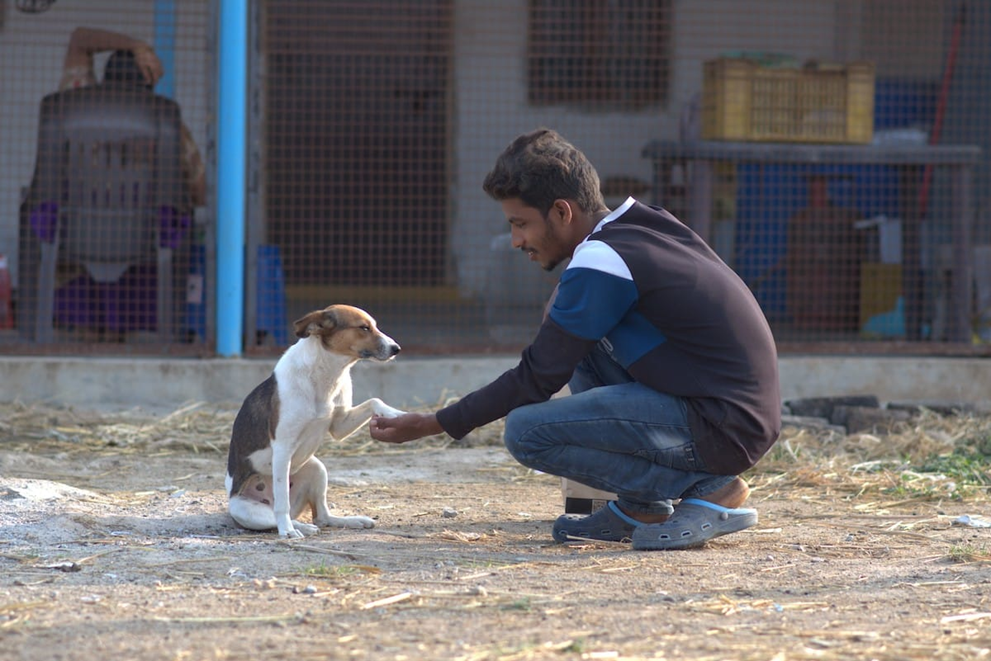
The stray dog debate that has dominated headlines across India in August 2025 has thrust animal welfare NGOs into the spotlight, highlighting their crucial role in protecting India’s most vulnerable four-legged citizens. With the Supreme Court’s recent ruling on stray dog management in Delhi-NCR creating nationwide discussions, animal welfare organizations are demonstrating their unwavering commitment to humane solutions while navigating complex legal, social, and public health challenges. The Supreme Court Ruling That Divided a Nation On August 22, 2025, the Supreme Court modified its earlier controversial order regarding stray dog management in Delhi and the National Capital Region. The three-judge bench, comprising Justices Vikram Nath, Sandeep Mehta, and N.V. Anjaria, ruled that stray dogs must be sterilized, vaccinated, and returned to their original locations rather than being permanently relocated to shelters. This decision came after intense nationwide protests from animal welfare activists and NGOs who had challenged the initial August 11 order directing permanent relocation of all stray dogs. The controversy began when a two-judge bench took suo moto cognizance of alarming statistics: 37 lakh dog bite cases and 54 suspected rabies deaths recorded in 2024. The initial order mandating complete removal of stray dogs from streets sparked widespread outrage from animal rights organizations, celebrities, and citizens who argued that such mass relocation was neither feasible nor humane. Critical Statistics That Shaped the Debate Recent data reveals the magnitude of India’s stray dog challenge. In Delhi alone, an average of 26 dog bite incidents occur daily, with 11,873 cases recorded between April 2024 and July 2025. Nagpur Municipal Corporation’s meeting with NGOs highlighted similar concerns, with officials acknowledging that about 55,000 dogs have been sterilized in their city, though the estimated stray population approaches one lakh. Leading Animal Welfare NGOs: Champions of Humane Solutions India’s animal welfare landscape is dominated by dedicated organizations that have been working tirelessly for decades to create sustainable solutions for stray animal management. These NGOs have established comprehensive programs addressing everything from rescue operations to legislative advocacy. PETA India: 25 Years of Unwavering Advocacy As PETA India celebrates its 25th anniversary in 2025, the organization has emerged as a prominent voice in the stray dog debate. The organization assisted authorities with over 3,150 cruelty cases in 2024 and responded to an astounding 3,06,000 calls requesting urgent assistance for animals. Their statement following the Supreme Court’s modified order emphasized the importance of community dogs as “beloved neighbours and friends,” urging citizens to adopt rather than purchase from breeders and support sterilization efforts. PETA India’s comprehensive approach includes conducting sensitization workshops for law enforcement personnel across multiple states. Recent initiatives include training programs for Nagpur City Police, Chhattisgarh State Police, and Goa State Police, aimed at ensuring crimes against animals are addressed with appropriate seriousness. Blue Cross of India: Pioneering Animal Birth Control Founded in 1959 and headquartered in Chennai, Blue Cross of India has been a pioneer in animal birth control surgeries since 1965. Their ABC (Animal Birth Control) program demonstrates how simple and effective humane street dog population management can be. The organization works closely with municipal corporations in Chennai, Puducherry, and Neyveli to implement sustainable population control measures. Friendicoes SECA: Comprehensive Care in the Capital Operating from Delhi for over three decades, Friendicoes SECA has established extensive infrastructure including clinics accommodating 150-200 animals, two operation theaters, laboratory and X-ray facilities, and a sanctuary in Gurgaon housing about a thousand animals. Their round-the-clock ambulance service receives an average of 50 distress calls daily, providing immediate assistance to stray animals in need. The Ground Reality: NGO Operations and Impact Animal welfare NGOs across India operate diverse programs addressing multiple aspects of stray animal care. These organizations have collectively transformed the landscape of animal welfare through systematic approaches to population control, healthcare, and community engagement. Sterilization and Vaccination Programs The backbone of effective stray dog management lies in comprehensive sterilization and vaccination programs. Organizations like In Defense of Animals, India, launched in 1996, have treated over 20,000 animals and sterilized over 1,00,000 dogs. Their work demonstrates the effectiveness of systematic population control measures when implemented consistently. The Welfare of Stray Dogs (WSD), established in 1985 in Mumbai, follows WHO guidelines for mass anti-rabies vaccination drives. The organization has vaccinated over 80,000 dogs while maintaining strict safety standards and conducting public education programs to build safer communities. Rescue and Rehabilitation Efforts Stray Relief and Animal Welfare (STRAW), founded in 2003, exemplifies comprehensive rescue and rehabilitation programs. Over the past decade, STRAW has sensitized over 25,000 school children and college students about animal welfare while maintaining 700 animals in their shelter. Their education programs focus on teaching kindness to animals and environmental conservation. ResQ Charitable Trust represents another model of excellence in wildlife rescue and rehabilitation. In 2022 alone, over 12,000 animals received care from the ResQ team, with each admitted animal receiving preliminary examination by experienced wildlife veterinarians and a customized medical rehabilitation plan. Municipal Partnerships and Collaborative Approaches The success of animal welfare initiatives increasingly depends on effective partnerships between NGOs and municipal authorities. Recent developments in cities like Nagpur demonstrate how collaborative approaches can address complex challenges more effectively than individual efforts. Nagpur’s Awakening: A Case Study Following a Bombay High Court rap for failing to implement 2022 directives, Nagpur Municipal Corporation finally convened meetings with animal welfare NGOs in August 2025. The collaborative approach resulted in several concrete decisions: awareness campaigns about six anti-rabies vaccination centers, sensitization of Asha workers and doctors to report bite cases promptly, school education programs about safe behavior around dogs, and plans for special rabies camps in slum areas. Feeding Zones and Community Engagement The Supreme Court’s modified order emphasized the importance of designated feeding centers, recognizing the role of community feeders in creating friendly dogs who are easier to handle for sterilizations and vaccinations. This approach acknowledges the reality that community engagement is essential for sustainable stray dog management. Challenges Facing Animal Welfare NGOs Despite their dedication and impact, animal welfare NGO face significant challenges that affect their

Animal Welfare NGOs in India Stand Firm Amid Supreme Court’s Stray Dog Order: A 2025 Perspective Read More »

digital transformation of NGO

Digital Transformation of NGOs in India: Navigating Challenges and Embracing Innovation in 2025

The landscape of Non-Governmental Organizations (NGOs) in India is undergoing a revolutionary transformation as we progress through 2025. With over 3.3 million NGOs registered across the country, these organizations are increasingly turning to digital solutions to overcome traditional challenges and amplify their social impact. This shift represents more than just technological adoption—it’s a fundamental reimagining of how social organizations operate, engage stakeholders, and deliver services to communities in need. An eVidyaloka educational outreach session with rural students, highlighting NGO efforts in digital literacy in India  The Current State of NGOs in India: Opportunities and Obstacles India’s NGO sector contributes nearly 2% to the country’s GDP and provides employment at multiple levels, making it a crucial component of the nation’s development ecosystem. However, the sector faces unprecedented challenges that threaten its sustainability and effectiveness. Recent regulatory changes, funding constraints, and evolving stakeholder expectations have created a complex operating environment that demands innovative solutions. Regulatory and Compliance Pressures The implementation of stricter Foreign Contribution Regulation Act (FCRA) guidelines has significantly impacted NGO operations. Many organizations have experienced license cancellations, with over 11,000 fake NGOs identified and eliminated in recent crackdowns. These regulatory changes have forced legitimate NGOs to enhance transparency, improve governance structures, and adopt more sophisticated reporting mechanisms. Funding Diversification Challenges Traditional funding sources are becoming increasingly constrained. The removal of full tax exemptions for NGO donations has reduced donor incentives, while Corporate Social Responsibility (CSR) funds are predominantly channeled toward corporate-linked NGOs. This funding landscape has pushed organizations to explore digital fundraising platforms and innovative partnership models. Overview of key Indian crowdfunding platforms used for NGO and social cause fundraising, detailing their focus, funds raised, and revenue models  Digital Transformation of NGO: A Game-Changer for Indian NGOs The adoption of digital technologies has emerged as a critical success factor for NGO sustainability and growth. Organisations embracing digital transformation are witnessing remarkable improvements in operational efficiency, donor engagement, and program delivery. Key trends in digital transformation of NGOs 1. Digital Fundraising Revolution Online crowdfunding platforms like Ketto, Milaap, and GiveIndia have democratized fundraising, enabling NGOs to reach global audiences and diversify revenue streams. Success stories from 2025 demonstrate that organizations implementing comprehensive digital strategies have achieved fundraising increases of 250-400%. 2. Data-Driven Impact Measurement Digital tools are enabling NGOs to move beyond anecdotal reporting to evidence-based impact assessment. Real-time monitoring systems, automated data collection, and analytics platforms are helping organizations demonstrate tangible outcomes to stakeholders and improve program effectiveness. 3. Cloud-Based Operations The shift to cloud-based platforms has revolutionized NGO operations, enabling remote collaboration, centralized data management, and cost-effective scaling. Organizations are leveraging cloud technology for everything from project management to beneficiary tracking. Indian rural community participants showcasing digital literacy by displaying smartphones with learning apps during an NGO-led program  Technology Solutions Addressing Core NGO Challenges Donor Management and Accountability Modern donor management systems are addressing one of the most critical challenges faced by NGOs—maintaining transparent and accountable relationships with supporters. These platforms offer integrated dashboards, automated receipt generation, and real-time expense tracking, significantly improving donor retention and trust. Operational Efficiency Enterprise Resource Planning (ERP) software and project management platforms are replacing fragmented manual processes. Organizations implementing these solutions report significant reductions in administrative overhead and improved coordination across programs. Community Engagement and Outreach Social media platforms and mobile applications have transformed how NGOs engage with beneficiaries and communities. Digital literacy programs facilitated by organizations are empowering rural communities with essential technology skills, creating sustainable impact beyond immediate service delivery. Corporate Social Responsibility: Evolving Partnership Models The CSR landscape in India is experiencing significant transformation, creating new opportunities for NGO partnerships. Companies are moving beyond traditional grant-making to embrace strategic collaborations that align with their business objectives and ESG (Environmental, Social, and Governance) commitments. Emerging CSR Trends for 2025 Sustainability and Climate Action Environmental conservation and climate resilience have become top priorities for corporate CSR programs. NGOs focusing on renewable energy, carbon reduction, and environmental protection are attracting substantial corporate partnerships as companies seek to meet regulatory sustainability requirements. Digital Inclusion and Technology Access Corporate partners are increasingly investing in digital literacy and technology access programs. These initiatives align with business interests while addressing critical social needs, creating win-win partnerships that benefit all stakeholders. Skills Development and Livelihood Enhancement Programs focused on vocational training, entrepreneurship, and economic empowerment are gaining traction among corporate partners. These initiatives demonstrate measurable outcomes and align with corporate workforce development objectives. Success Stories: NGOs Leading Digital Innovation Rural Education Initiative Transformation A grassroots education NGO achieved a remarkable 400% increase in online donations within six months by implementing a comprehensive digital strategy. The organization’s transformation included website optimization, social media campaigns, email marketing automation, and mobile-first donation experiences. Healthcare NGO Campaign Excellence A healthcare-focused organization’s “Health for All” digital campaign reached over 2 million people online, resulting in 15,000 new donors and a 250% increase in monthly recurring donations. This success demonstrates the power of strategic digital marketing in amplifying social impact. ATMA Foundation’s Technology Adoption The ATMA Foundation exemplifies successful technology integration, utilizing over 75% of commonly used digital tools including cloud storage, project management platforms, and communication systems. Their leadership’s commitment to digital transformation has positioned them for sustainable growth and enhanced impact. Illustration depicting Corporate Social Responsibility with people nurturing the environment and investing financially to support sustainable business practices  Overcoming Digital Transformation Barriers Addressing Resource Constraints Many NGOs worry about the costs associated with digital transformation. However, innovative funding mechanisms are emerging to address these concerns. Software donation programs, pro-bono consulting services, and grant programs specifically targeting technology upgradation are making digital tools more accessible. Building Digital Capacity The skills gap in NGO teams poses a significant challenge to technology adoption. Organizations are addressing this through comprehensive training programs, volunteer support during transition periods, and partnerships with technology providers offering ongoing support. Ensuring Data Security and Privacy As NGOs handle sensitive beneficiary data, cybersecurity has become paramount. Organizations are implementing robust data protection measures, staff training programs, and compliance frameworks to

Digital Transformation of NGOs in India: Navigating Challenges and Embracing Innovation in 2025 Read More »