News

Samsung Pay: Guía de Uso

Samsung Pay: Guía de Uso Hace algunos años, pagar con el teléfono móvil parecía ciencia ficción. Hoy, es realidad y Samsung Pay se ha convertido en una herramienta esencial para millones de usuarios en España y el mundo. Si eres jugador de casino online, viajero frecuente o simplemente alguien que busca simplicidad en sus transacciones, esta tecnología te ofrece comodidad, velocidad y seguridad en cada compra. En esta guía te mostraremos exactamente cómo funciona, qué necesitas para empezar, y cómo aprovecharlo al máximo en tu día a día. Descubre por qué Samsung Pay se ha posicionado como el sistema de pago móvil preferido de muchos españoles. ¿Qué es Samsung Pay y Cómo Funciona? Samsung Pay es el sistema de pago móvil de Samsung que te permite realizar transacciones sin contacto desde tu teléfono inteligente. Funciona mediante tecnología NFC (comunicación de campo cercano) y también MST (transmisión segura magnética), lo que significa que puedes pagar incluso en terminales que no tienen tecnología NFC moderna. La diferencia clave respecto a otras soluciones es que Samsung Pay utiliza dos tecnologías simultáneamente. Mientras que Apple Pay y Google Pay dependen únicamente de NFC, Samsung ha integrado MST, permitiéndote pagar en prácticamente cualquier lector de tarjetas magnéticas. Esto es particularmente útil en España, donde muchos establecimientos aún cuentan con terminales de pago antiguos. Cuando realizas un pago: Tu información real de la tarjeta nunca se comparte con el comerciante Se genera un código único y temporal para cada transacción El pago se procesa de forma segura a través de los servidores de Samsung La confirmación llega instantáneamente a tu teléfono Requisitos Previos para Usar Samsung Pay Antes de configurar Samsung Pay, necesitas cumplir con ciertos requisitos técnicos y legales. Requisitos técnicos: Dispositivo Samsung con procesador de segunda generación o posterior (Galaxy S6 Edge en adelante, Galaxy Note 5 o posterior, o tablets Samsung más recientes) Android 4.4 o superior Conexión a Internet (Wi-Fi o datos móviles) Acceso a una tarjeta de débito o crédito compatible Requisitos de cuenta: Ser mayor de edad (18 años mínimo) Tener una cuenta Samsung válida Vivir en un país donde Samsung Pay está disponible (España está totalmente soportada) Disponer de una tarjeta bancaria emitida por una entidad financiera compatible Puedes verificar la compatibilidad de tu dispositivo accediendo a Google Play y buscando “Samsung Pay”. Si tu teléfono lo soporta, aparecerá la opción de descarga. La mayoría de usuarios españoles con dispositivos Samsung recientes (de los últimos 5-6 años) podrán usar sin problemas esta funcionalidad. Pasos para Configurar Samsung Pay La configuración inicial es sencilla y toma apenas 5-10 minutos. Sigue estos pasos en orden: Descarga la aplicación: Busca “Samsung Pay” en Google Play Store o Galaxy Store (si tienes acceso) Abre la aplicación e inicia sesión con tu cuenta Samsung Verifica tu identidad: Samsung te pedirá confirmación mediante correo electrónico o número de teléfono Configura tu método de autenticación: Elige entre reconocimiento facial, huella dactilar o PIN Acepta los términos y condiciones: Lee y acepta los términos de servicio Añade tu primera tarjeta: Este es el siguiente paso (ver sección siguiente) Una vez completado este proceso inicial, tendrás acceso a todas las funciones básicas. Algunos bancos españoles pueden solicitar verificación adicional, que generalmente se resuelve en cuestión de minutos. Agregar Tarjetas de Pago Para añadir una tarjeta a Samsung Pay: Abre la aplicación y toca el botón de agregar (+) Selecciona el tipo de tarjeta (Débito o Crédito) Captura una foto de tu tarjeta o introduce manualmente los datos Completa los campos: nombre titulador, fecha vencimiento y CVV Introduce tu dirección de facturación Espera confirmación del banco (generalmente instantánea) Completa cualquier verificación adicional que tu banco requiera Puedes almacenar múltiples tarjetas. Simplemente repite el proceso para cada tarjeta que desees añadir. Recomendamos tener tanto una tarjeta de débito como una de crédito configuradas, así como una tarjeta de backup en caso necesario. Cómo Realizar Pagos con Samsung Pay Realizar un pago es increíblemente rápido una vez que tienes Samsung Pay configurado: En tiendas físicas: Desbloquea tu teléfono Abre Samsung Pay (o utiliza acceso rápido desde la pantalla de bloqueo) Selecciona la tarjeta que deseas usar Acerca tu teléfono al terminal de pago Autoriza mediante huella dactilar, facial o PIN Espera la confirmación (tardará 1-2 segundos) En compras online: Algunos comercios españoles permiten pagar con Samsung Pay desde el navegador web o aplicaciones. Busca el botón de pago móvil en el carrito de compra. El proceso es similar: selecciona tu tarjeta, autoriza con biometría o PIN, y confirma. En casinos online y plataformas de juego: Muchos casinos online españoles ya aceptan Samsung Pay como método de pago. Esta es una opción segura para realizar depósitos. Si buscas información sobre plataformas especializadas y consejos sobre pagos en estos espacios, puedes consultar recursos de expertos en bitcoin casino como los que encontrarás en nuestro portal de experto en bitcoin casino. Los pagos se procesan instantáneamente. Recibirás una notificación en tu teléfono confirmando cada transacción, con detalles del monto, comercio y hora. Seguridad y Protección de Datos La seguridad es donde Samsung Pay realmente destaca. Nosotros, como usuarios, podemos estar tranquilos sabiendo que varios niveles de protección están activos: Capas de seguridad: CapaDescripción Tokenización Tu número de tarjeta real nunca se transmite Autenticación biométrica Huella dactilar o reconocimiento facial requerido PIN de seguridad Código adicional opcional para transacciones Encriptación Todos los datos se transmiten encriptados Aislamiento de hardware Samsung Secure Processor almacena datos separados Tu información bancaria se almacena en un área segura del teléfono llamada Samsung Secure Processor, completamente separada del resto del sistema operativo. Ni siquiera Samsung puede acceder a ella. En caso de pérdida de tu teléfono, puedes desactivar Samsung Pay remotamente desde tu cuenta. Las transacciones rechazadas o fraudulentas se resuelven a través del servicio al cliente de tu banco, igual que con tarjetas físicas. Tu responsabilidad es mantener tu teléfono desbloqueado solo para ti y cambiar tu PIN regularmente.

Samsung Pay: Guía de Uso Read More »
stray dogs

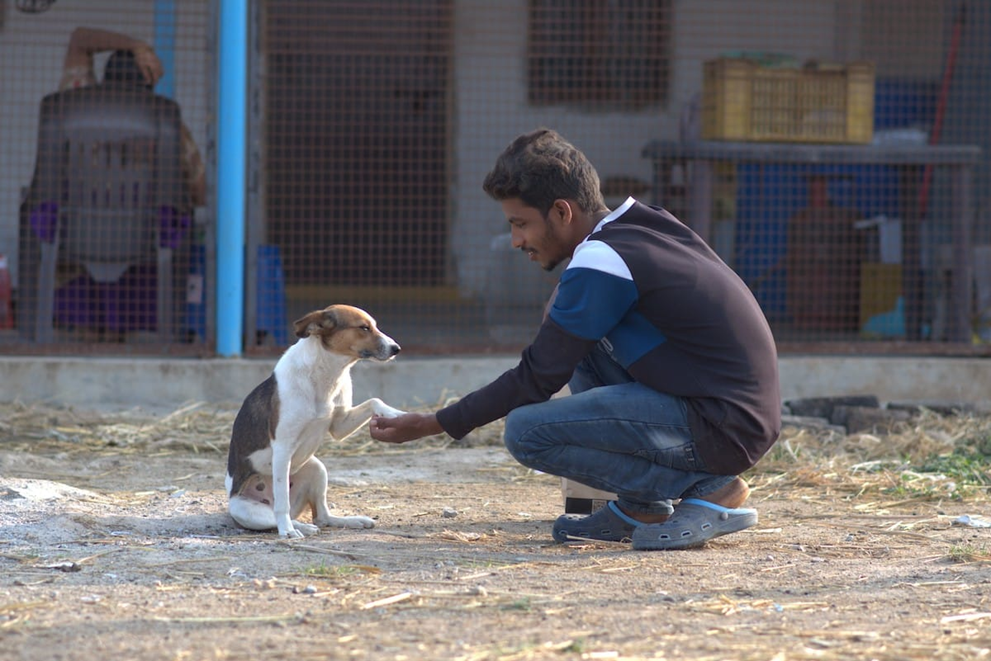
Animal Welfare NGOs in India Stand Firm Amid Supreme Court’s Stray Dog Order: A 2025 Perspective

The stray dog debate that has dominated headlines across India in August 2025 has thrust animal welfare NGOs into the spotlight, highlighting their crucial role in protecting India’s most vulnerable four-legged citizens. With the Supreme Court’s recent ruling on stray dog management in Delhi-NCR creating nationwide discussions, animal welfare organizations are demonstrating their unwavering commitment to humane solutions while navigating complex legal, social, and public health challenges. The Supreme Court Ruling That Divided a Nation On August 22, 2025, the Supreme Court modified its earlier controversial order regarding stray dog management in Delhi and the National Capital Region. The three-judge bench, comprising Justices Vikram Nath, Sandeep Mehta, and N.V. Anjaria, ruled that stray dogs must be sterilized, vaccinated, and returned to their original locations rather than being permanently relocated to shelters. This decision came after intense nationwide protests from animal welfare activists and NGOs who had challenged the initial August 11 order directing permanent relocation of all stray dogs. The controversy began when a two-judge bench took suo moto cognizance of alarming statistics: 37 lakh dog bite cases and 54 suspected rabies deaths recorded in 2024. The initial order mandating complete removal of stray dogs from streets sparked widespread outrage from animal rights organizations, celebrities, and citizens who argued that such mass relocation was neither feasible nor humane. Critical Statistics That Shaped the Debate Recent data reveals the magnitude of India’s stray dog challenge. In Delhi alone, an average of 26 dog bite incidents occur daily, with 11,873 cases recorded between April 2024 and July 2025. Nagpur Municipal Corporation’s meeting with NGOs highlighted similar concerns, with officials acknowledging that about 55,000 dogs have been sterilized in their city, though the estimated stray population approaches one lakh. Leading Animal Welfare NGOs: Champions of Humane Solutions India’s animal welfare landscape is dominated by dedicated organizations that have been working tirelessly for decades to create sustainable solutions for stray animal management. These NGOs have established comprehensive programs addressing everything from rescue operations to legislative advocacy. PETA India: 25 Years of Unwavering Advocacy As PETA India celebrates its 25th anniversary in 2025, the organization has emerged as a prominent voice in the stray dog debate. The organization assisted authorities with over 3,150 cruelty cases in 2024 and responded to an astounding 3,06,000 calls requesting urgent assistance for animals. Their statement following the Supreme Court’s modified order emphasized the importance of community dogs as “beloved neighbours and friends,” urging citizens to adopt rather than purchase from breeders and support sterilization efforts. PETA India’s comprehensive approach includes conducting sensitization workshops for law enforcement personnel across multiple states. Recent initiatives include training programs for Nagpur City Police, Chhattisgarh State Police, and Goa State Police, aimed at ensuring crimes against animals are addressed with appropriate seriousness. Blue Cross of India: Pioneering Animal Birth Control Founded in 1959 and headquartered in Chennai, Blue Cross of India has been a pioneer in animal birth control surgeries since 1965. Their ABC (Animal Birth Control) program demonstrates how simple and effective humane street dog population management can be. The organization works closely with municipal corporations in Chennai, Puducherry, and Neyveli to implement sustainable population control measures. Friendicoes SECA: Comprehensive Care in the Capital Operating from Delhi for over three decades, Friendicoes SECA has established extensive infrastructure including clinics accommodating 150-200 animals, two operation theaters, laboratory and X-ray facilities, and a sanctuary in Gurgaon housing about a thousand animals. Their round-the-clock ambulance service receives an average of 50 distress calls daily, providing immediate assistance to stray animals in need. The Ground Reality: NGO Operations and Impact Animal welfare NGOs across India operate diverse programs addressing multiple aspects of stray animal care. These organizations have collectively transformed the landscape of animal welfare through systematic approaches to population control, healthcare, and community engagement. Sterilization and Vaccination Programs The backbone of effective stray dog management lies in comprehensive sterilization and vaccination programs. Organizations like In Defense of Animals, India, launched in 1996, have treated over 20,000 animals and sterilized over 1,00,000 dogs. Their work demonstrates the effectiveness of systematic population control measures when implemented consistently. The Welfare of Stray Dogs (WSD), established in 1985 in Mumbai, follows WHO guidelines for mass anti-rabies vaccination drives. The organization has vaccinated over 80,000 dogs while maintaining strict safety standards and conducting public education programs to build safer communities. Rescue and Rehabilitation Efforts Stray Relief and Animal Welfare (STRAW), founded in 2003, exemplifies comprehensive rescue and rehabilitation programs. Over the past decade, STRAW has sensitized over 25,000 school children and college students about animal welfare while maintaining 700 animals in their shelter. Their education programs focus on teaching kindness to animals and environmental conservation. ResQ Charitable Trust represents another model of excellence in wildlife rescue and rehabilitation. In 2022 alone, over 12,000 animals received care from the ResQ team, with each admitted animal receiving preliminary examination by experienced wildlife veterinarians and a customized medical rehabilitation plan. Municipal Partnerships and Collaborative Approaches The success of animal welfare initiatives increasingly depends on effective partnerships between NGOs and municipal authorities. Recent developments in cities like Nagpur demonstrate how collaborative approaches can address complex challenges more effectively than individual efforts. Nagpur’s Awakening: A Case Study Following a Bombay High Court rap for failing to implement 2022 directives, Nagpur Municipal Corporation finally convened meetings with animal welfare NGOs in August 2025. The collaborative approach resulted in several concrete decisions: awareness campaigns about six anti-rabies vaccination centers, sensitization of Asha workers and doctors to report bite cases promptly, school education programs about safe behavior around dogs, and plans for special rabies camps in slum areas. Feeding Zones and Community Engagement The Supreme Court’s modified order emphasized the importance of designated feeding centers, recognizing the role of community feeders in creating friendly dogs who are easier to handle for sterilizations and vaccinations. This approach acknowledges the reality that community engagement is essential for sustainable stray dog management. Challenges Facing Animal Welfare NGOs Despite their dedication and impact, animal welfare NGO face significant challenges that affect their

Animal Welfare NGOs in India Stand Firm Amid Supreme Court’s Stray Dog Order: A 2025 Perspective Read More »