The landscape of Non-Governmental Organizations (NGOs) in India is undergoing a revolutionary transformation as we progress through 2025. With over 3.3 million NGOs registered across the country, these organizations are increasingly turning to digital solutions to overcome traditional challenges and amplify their social impact. This shift represents more than just technological adoption—it’s a fundamental reimagining of how social organizations operate, engage stakeholders, and deliver services to communities in need.

An eVidyaloka educational outreach session with rural students, highlighting NGO efforts in digital literacy in India
The Current State of NGOs in India: Opportunities and Obstacles
India’s NGO sector contributes nearly 2% to the country’s GDP and provides employment at multiple levels, making it a crucial component of the nation’s development ecosystem. However, the sector faces unprecedented challenges that threaten its sustainability and effectiveness. Recent regulatory changes, funding constraints, and evolving stakeholder expectations have created a complex operating environment that demands innovative solutions.
Regulatory and Compliance Pressures
The implementation of stricter Foreign Contribution Regulation Act (FCRA) guidelines has significantly impacted NGO operations. Many organizations have experienced license cancellations, with over 11,000 fake NGOs identified and eliminated in recent crackdowns. These regulatory changes have forced legitimate NGOs to enhance transparency, improve governance structures, and adopt more sophisticated reporting mechanisms.
Funding Diversification Challenges
Traditional funding sources are becoming increasingly constrained. The removal of full tax exemptions for NGO donations has reduced donor incentives, while Corporate Social Responsibility (CSR) funds are predominantly channeled toward corporate-linked NGOs. This funding landscape has pushed organizations to explore digital fundraising platforms and innovative partnership models.
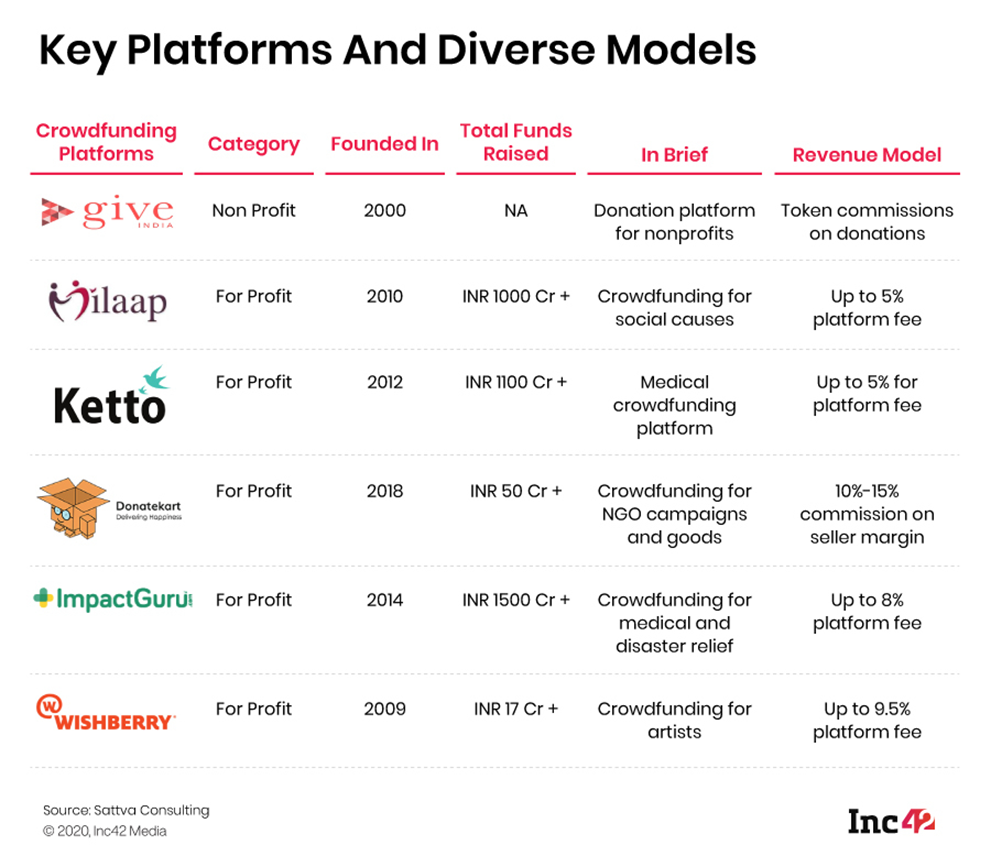
Overview of key Indian crowdfunding platforms used for NGO and social cause fundraising, detailing their focus, funds raised, and revenue models
Digital Transformation of NGO: A Game-Changer for Indian NGOs
The adoption of digital technologies has emerged as a critical success factor for NGO sustainability and growth. Organisations embracing digital transformation are witnessing remarkable improvements in operational efficiency, donor engagement, and program delivery.
Key trends in digital transformation of NGOs
1. Digital Fundraising Revolution
Online crowdfunding platforms like Ketto, Milaap, and GiveIndia have democratized fundraising, enabling NGOs to reach global audiences and diversify revenue streams. Success stories from 2025 demonstrate that organizations implementing comprehensive digital strategies have achieved fundraising increases of 250-400%.
2. Data-Driven Impact Measurement
Digital tools are enabling NGOs to move beyond anecdotal reporting to evidence-based impact assessment. Real-time monitoring systems, automated data collection, and analytics platforms are helping organizations demonstrate tangible outcomes to stakeholders and improve program effectiveness.
3. Cloud-Based Operations
The shift to cloud-based platforms has revolutionized NGO operations, enabling remote collaboration, centralized data management, and cost-effective scaling. Organizations are leveraging cloud technology for everything from project management to beneficiary tracking.
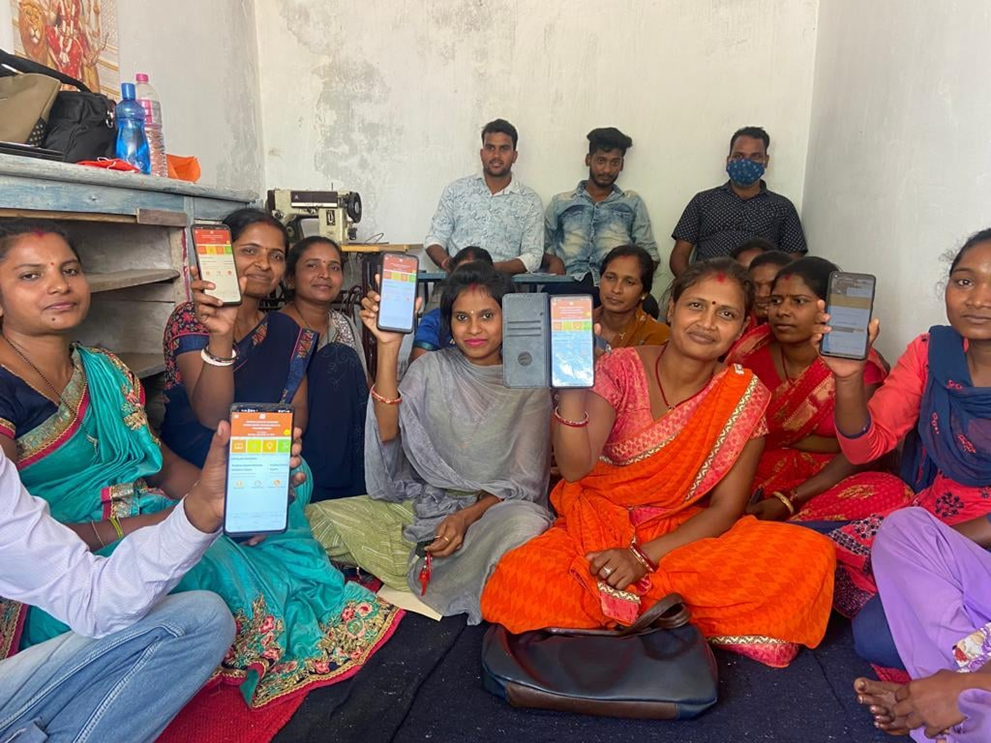
Indian rural community participants showcasing digital literacy by displaying smartphones with learning apps during an NGO-led program
Technology Solutions Addressing Core NGO Challenges
Donor Management and Accountability
Modern donor management systems are addressing one of the most critical challenges faced by NGOs—maintaining transparent and accountable relationships with supporters. These platforms offer integrated dashboards, automated receipt generation, and real-time expense tracking, significantly improving donor retention and trust.
Operational Efficiency
Enterprise Resource Planning (ERP) software and project management platforms are replacing fragmented manual processes. Organizations implementing these solutions report significant reductions in administrative overhead and improved coordination across programs.
Community Engagement and Outreach
Social media platforms and mobile applications have transformed how NGOs engage with beneficiaries and communities. Digital literacy programs facilitated by organizations are empowering rural communities with essential technology skills, creating sustainable impact beyond immediate service delivery.
Corporate Social Responsibility: Evolving Partnership Models
The CSR landscape in India is experiencing significant transformation, creating new opportunities for NGO partnerships. Companies are moving beyond traditional grant-making to embrace strategic collaborations that align with their business objectives and ESG (Environmental, Social, and Governance) commitments.
Emerging CSR Trends for 2025
Sustainability and Climate Action
Environmental conservation and climate resilience have become top priorities for corporate CSR programs. NGOs focusing on renewable energy, carbon reduction, and environmental protection are attracting substantial corporate partnerships as companies seek to meet regulatory sustainability requirements.
Digital Inclusion and Technology Access
Corporate partners are increasingly investing in digital literacy and technology access programs. These initiatives align with business interests while addressing critical social needs, creating win-win partnerships that benefit all stakeholders.
Skills Development and Livelihood Enhancement
Programs focused on vocational training, entrepreneurship, and economic empowerment are gaining traction among corporate partners. These initiatives demonstrate measurable outcomes and align with corporate workforce development objectives.
Success Stories: NGOs Leading Digital Innovation
Rural Education Initiative Transformation
A grassroots education NGO achieved a remarkable 400% increase in online donations within six months by implementing a comprehensive digital strategy. The organization’s transformation included website optimization, social media campaigns, email marketing automation, and mobile-first donation experiences.
Healthcare NGO Campaign Excellence
A healthcare-focused organization’s “Health for All” digital campaign reached over 2 million people online, resulting in 15,000 new donors and a 250% increase in monthly recurring donations. This success demonstrates the power of strategic digital marketing in amplifying social impact.
ATMA Foundation’s Technology Adoption
The ATMA Foundation exemplifies successful technology integration, utilizing over 75% of commonly used digital tools including cloud storage, project management platforms, and communication systems. Their leadership’s commitment to digital transformation has positioned them for sustainable growth and enhanced impact.
Illustration depicting Corporate Social Responsibility with people nurturing the environment and investing financially to support sustainable business practices
Overcoming Digital Transformation Barriers
Addressing Resource Constraints
Many NGOs worry about the costs associated with digital transformation. However, innovative funding mechanisms are emerging to address these concerns. Software donation programs, pro-bono consulting services, and grant programs specifically targeting technology upgradation are making digital tools more accessible.
Building Digital Capacity
The skills gap in NGO teams poses a significant challenge to technology adoption. Organizations are addressing this through comprehensive training programs, volunteer support during transition periods, and partnerships with technology providers offering ongoing support.
Ensuring Data Security and Privacy
As NGOs handle sensitive beneficiary data, cybersecurity has become paramount. Organizations are implementing robust data protection measures, staff training programs, and compliance frameworks to ensure responsible data management.
Looking Ahead: The Future of Digital Transformation of NGOs
The trajectory of NGO digital transformation in India points toward increased integration of emerging technologies. Artificial Intelligence, blockchain for transparency, and Internet of Things applications for field monitoring are expected to become mainstream adoption areas by 2030.
Sustainable Digital Strategies
Successful NGOs are developing long-term digital strategies that balance innovation with organizational capacity. These strategies emphasize gradual implementation, staff development, and continuous evaluation to ensure sustainable transformation.
Collaborative Ecosystems
The future of NGO digital transformation lies in collaborative ecosystems where organizations share resources, knowledge, and best practices. Platforms facilitating such collaboration are emerging, creating opportunities for collective impact and shared learning.
Frequently Asked Questions (FAQs)
Q1: What are the main challenges NGOs face in digital transformation of NGO?
A: The primary challenges include limited funding for technology upgrades, lack of skilled personnel, resistance to change among staff, concerns about data security, and the overwhelming array of available digital tools. Many NGOs also struggle with selecting appropriate technologies that align with their specific needs and organizational capacity.
Q2: How can small NGOs with limited budgets approach digital transformation?
A: Small NGOs can start with free or low-cost solutions like Google Workspace for non-profits, social media platforms for outreach, and basic project management tools. They should prioritize high-impact, low-cost solutions and gradually scale up. Software donation programs, volunteer technical support, and phased implementation strategies can make transformation more affordable.
Q3: What digital tools are most essential for NGO operations?
A: Essential digital tools include donor management systems, cloud-based storage and collaboration platforms, social media management tools, email marketing platforms, basic website with donation capabilities, and project management software. Mobile-friendly solutions are particularly important for field operations.
Q4: How can NGOs measure the success of their digital transformation efforts?
A: Success metrics include increased online donations, improved operational efficiency (reduced administrative time), enhanced stakeholder engagement (social media metrics, email open rates), better data quality and reporting capabilities, and increased program reach. Organizations should establish baseline measurements before implementation and track progress regularly.
Q5: What role does leadership play in successful NGO digital transformation?
A: Leadership commitment is crucial for successful digital transformation. Leaders must champion the change, allocate necessary resources, communicate the vision clearly to staff, and ensure ongoing support for training and adaptation. They should also model digital adoption and address resistance to change through transparent communication about benefits.
Q6: How are CSR partnerships evolving to support NGO digital transformation?
A: Corporate partners are increasingly recognizing the importance of organizational capacity building, including technology upgrades. CSR partnerships now often include funding for digital infrastructure, pro-bono technical consulting, employee volunteering for digital literacy training, and multi-year commitments to support sustained transformation efforts.
Q7: What are the data security considerations for NGOs adopting digital technologies?
A: NGOs must implement robust data protection measures including secure cloud storage with encryption, regular data backups, staff training on cybersecurity best practices, privacy policies compliant with local regulations, and access controls limiting data exposure. They should also have incident response plans and regular security audits.
Q8: How can NGOs ensure their digital transformation efforts are sustainable?
A: Sustainability requires developing internal capacity rather than relying solely on external support, choosing scalable technologies that can grow with the organization, creating documentation and standard operating procedures, building partnerships with reliable technology providers, and maintaining dedicated budget allocation for ongoing digital needs.
The digital transformation of NGOs in India represents a critical evolution in how social organizations operate and create impact. While challenges persist, the organizations embracing digital technologies are demonstrating that transformation is not only possible but essential for sustainable growth and enhanced social impact. As we move forward, the successful integration of digital tools will increasingly distinguish thriving NGOs from those struggling to remain relevant in an evolving landscape.
The journey toward digital transformation requires commitment, strategic planning, and continuous learning. However, the potential rewards—increased efficiency, enhanced transparency, broader reach, and greater impact—make this journey not just worthwhile but imperative for any NGO serious about maximizing its contribution to social change in modern India.