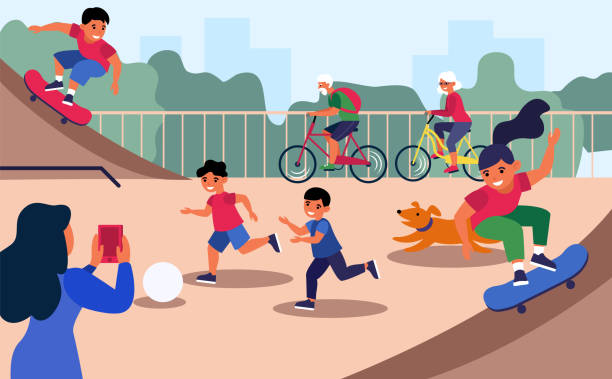
How NGOs Build Child Friendly Public Spaces
Cities and towns in India are growing at an astonishing rate, and as this grows, there is a need to make safe, inclusive, and friendly places that support children. Most urban neighborhoods have no special areas where children can meet, learn, and play. In these areas, safety, accessibility, and inclusivity tend to be second-best considerations. The real work of non-governmental organizations (NGOs) is involved here. This is evidenced by their novel approaches How NGOs Build Child Friendly Public Spaces of practice that value health, creativity, and community participation.
Such organizations are not merely establishing parks or playgrounds. They are creating environments that can make children grow physically, emotionally, and socially. With the synthesis of both local and international standards, the NGOs aid the redesigning of the appearance of a public space among the youngest generations of society members. This paper discusses the tactics, instances, and issues that bring to the fore the approaches that NGOs adopt in developing child-friendly areas within the Indian community and also puts into consideration the significance of community strengthening and sustainable development.
The Fallacy of Illicit Process.
Childhood is one of the periods when such exploration and learning happen naturally. Children lack supportive environments that can help them grow and gain confidence. Adult interests are regularly considered in places of more social gathering, but the interests of a child are possibly not a consideration. Conversely, How NGOs Build Child Friendly Public Spaces focuses on creating a place that focuses on the protection of children, their education, and their entertainment.
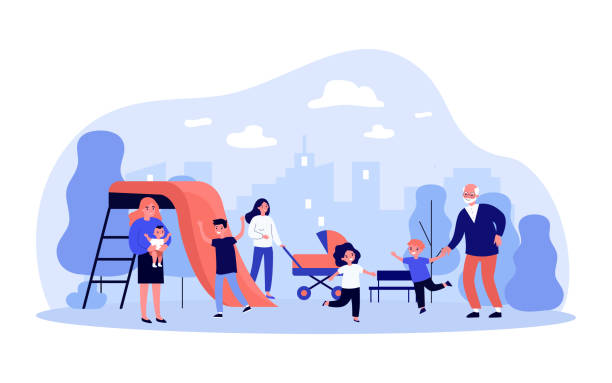
Techniques that NGOs employ to make public places child-friendly.
1. Community Participation
Engaging the community is one of the most robust approaches to How NGOs Build Child Friendly Public Spaces. Teachers, local leaders, and parents can be invited to express their opinions. Among children, workshops are usually planned. This will guarantee that designs achieved are not based on assumptions but on real needs.
2. Safety as a Priority
Safety is non-negotiable. NGO spaces contain adequate lighting, playground equipment, proper boundaries, and volunteers or staff. This will bring confidence to the parents and make them use it consistently.
3. Impartiality and Openness.
The child-friendly place should embrace children living with disabilities, girls, and minority children. This is achieved through the addition of ramps, sensorial play zones, gender-sensitive facilities, and local language signs by NGOs. This emphasis on inclusivity features the way in which NGOs create child-friendly places in the public that are unrestricted for all people.
4. Blending Learning with Play
The contemporary designs suggest sharing stories in corners, interactive walls, and natural areas. In this manner children get to learn and have fun at the same time. The assimilation balances physical activity with intellectual and creative development.
5. Sustainable Designs
The second aspect is sustainability. Most NGOs recycle, employ water harvesting systems, and use paints that do not pollute the environment. These more environmentally friendly decisions are less expensive and also educate the children on the importance of environmental responsibility.
Real-Life Examples in India
Bal Bhavan Projects
The NGOs in India have collaborated with local governments in certain Indian states in constructing Bal Bhavans. These kid-oriented centers provide services such as arts, sports, and cultural programs. Here you can find the process where NGOs create child-friendly public spaces in the sense that these centers can be regarded as centers of creativity and learning.
Parks in Town Slums.
The non-governmental organizations in Mumbai and Delhi have transformed unused pieces of land into safe recreational community parks. These parks include play corners, play corners, and swings. They are embodiments of the potential changes that can be made to unutilized areas to make them attractive places that can be enjoyed with children.
School-Linked Playgrounds
In some of the cases, some NGOs liaise with the schools and set up dual-purpose playgrounds. These playgrounds are open to the community in the evening and to the students in the daytime. This pair of applications illustrates viable alternatives of how NGOs create child-friendly social places that function in the most effective way.
Challenges Faced by NGOs
Limited Funding
The child-friendly areas take constant funds to establish and upkeep. NGOs attain reliance on donations, grants, or partnering. The absence of financial stability may hamper the process.
Bureaucratic Delays
Local authority is usually very slow when it comes to approval. The delays might influence the project speed and even demotivate donors.
Maintenance Issues
Maintaining a child-friendly environment is like creating one. Unless such spaces are owned by the community, they may end up being neglected.
Through these obstacles, NGOs go out of their way to create new avenues to beat the odds, as this is regarded as intent to make long-term changes.
How NGOs Work with Government and Businesses.
Alliances are important to impact scale. Several NGOs engage the municipalities to secure land that is used in child-related endeavors. Businesses also contribute it in the form of corporate social responsibility (CSR). Through these forms of alliances, NGOs increase their power and expand their influence. Through these partnerships, once again NGOs create child-friendly places in society through sharing their resources, experience, and goodwill.
Larger Contribution to Societies.
Child-friendly areas are not only child-friendly. Parents are at ease knowing that their children are in safe hands. It is the healthy communities that are proud of good areas. Better livelihoods are common in areas where many families surround the zone of local vendors. This is the social and economic benefit of the NGOs’ construction of child-friendly public spaces, as seen in the economic value of this ripple effect.
Prospects of Child Friendliness of Public Spaces in India.
Cities are going to be more and more child-friendly as the number of children grows. It is either the NGOs will continue playing a larger role. They will go on creating new ways in which NGOs create child-friendly public spaces in India by balancing traditional wisdom with new technology.
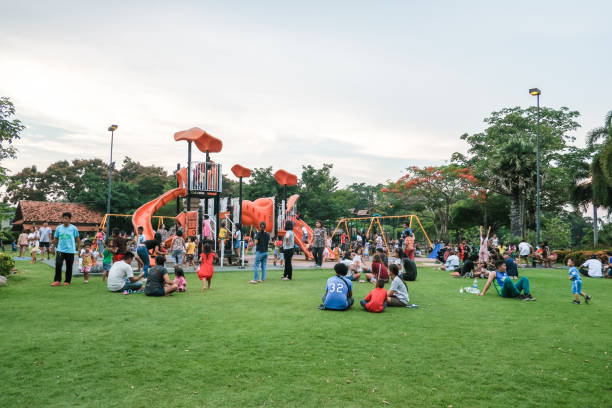
Conclusion about How NGOs Build Child Friendly Public Spaces
NGOs develop child-friendly public spaces in India, and the process is not merely about setting up parks or playgrounds. It is concerned with making the future a safe, valued, and inspired place for children. These areas are empowering citizens, bringing in equality and equity in the lives of citizens, and making sure that all children have equal opportunities to develop. Through creativity, cooperation, and willingness, NGOs have demonstrated that the previously idealized public spaces can be actualized in terms of inclusivity. Their work is an alert that it is nation-building when one builds a house housing children.
FAQs about How NGOs Build Child Friendly Public Spaces
What is wrong with child-friendly public spaces in India?
Children-friendly environments are significant in a way that they help develop children in terms of health, socialization, and education. They also give a secure space in which children can play and feel welcome in their societies.
What are ways that NGOs can ensure that their communal areas are accessible to every youngster?
The inclusivity aspect in NGOs involves the provision of ramps, safe areas among the girls, child sensory and ramps among children with disabilities, and signage in native languages. This makes each child feel at home.