Role of NGOs in Organizing Cultural Events for seniors
There is aging in life, and it does not imply the loss of pleasure/creativity/wholeness. Most of the seniors miss a chance to initiate social and cultural practices that embrace the seniors and make them feel like part of them. Here the role of NGOs in organizing the cultural events of seniors comes in. Besides organizing events, NGOs provide platforms where seniors can engage in the events and socialize with the community members. Under these cultural interventions, the fact of respect, recognition, and engagement with older adults is stressed.
The reasons why cultural events are important to seniors.
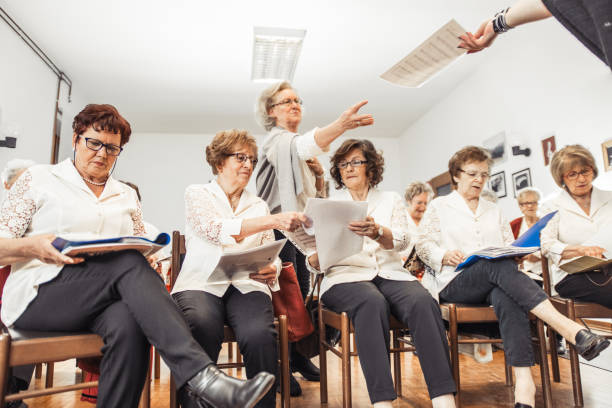
Cultural events are not merely entertainment aspects. They preserve traditions, they spark creativity, and they offer the elderly an opportunity to spew their wisdom. For most elderly individuals, participating in or attending any events alleviates loneliness and gives their lives meaning and confidence. The NGOs’ role in the organization of cultural events for the seniors is to see that these opportunities exist, are all-inclusive, and are sensitive to the needs of the aging populations.
Needs recognition by the NGOs.
The very first step would be to be able to know what the seniors like. Surveys, focus groups, and community meetings are among the most common methods through which NGOs get to observe preferences. Some might get away to music festivals, and others do art and folk storytelling. NGOs demonstrate signs of empathy and expertise by listening. This process demonstrates the role of NGOs in organizing cultural events for seniors in a way that makes every participant feel valued.
To plan events that motivate attendance.
After identifying needs, the NGOs proceed to planning. They partner with local artists, cultural organizations, and volunteers to create events that make people happy and involve everyone. It can be a dance performance, a heritage day, or a food fair, but in any case, NGOs ensure that the seniors are able to participate rather than be spectators. The Inclusion is an assessment of the role of NGOs in organizing cultural events for seniors as a mediator of purposeful events.
Promoting Elderly Participation in Performances.
Most of the elderly have a lifetime of experience in music, dancing, storytelling, or craft. The NGOs give them the arena to express such talents. As an illustration, the elderly teaching professionals may read poetry, and craftsmen may exhibit vintage crafts. In this case, the role of NGOs in organizing cultural events among older adults is to recognize the older generations and incorporate their knowledge and innovation as commemorated works to the community.
Negotiating Across Generations.
Cultural events unite the various generations together. As the elderly members conduct their performances, narrate tales, and train in handicrafts, among other things, the youth directly learn through them. It is an exchange of respect and togetherness between the ages. Missionizing such opportunities, the role of NGOs in organizing cultural events with seniors does not merely delve into the field of entertainment but rather gains social responsibility and family relations between generations.
Festivals as a Way of Saving Traditions.
Culture is upheld by wielding the festival as a form. During national/regional holidays, NGOs usually set up older staff events. The elderly cook outdated food, sing folk tunes, or wear traditional clothes. It is through these practices that the traditions will continue existing with the seniors being proud. In this sense, the role of NGOs in organizing cultural events for seniors also safeguards cultural identity for future generations.
Socialization to Emotional and Mental Wellness.
Engagement in cultural activities enhances the psychological well-being of the elderly. It alleviates loneliness and provokes imagination and innovation. Group activities, laughter, and music induce positive feelings. This is what NGOs do when developing programs. The role of NGOs in organizing cultural events for seniors proves to be a primary objective of healthy aging by meeting emotional needs.
Inclusion and Mainstreaming in Events.
The seniors are not able to attend all events with ease. NGOs resolve mobility challenges by selecting convenient locations, carrying out transport, and offering guiding services. They also make sure that the events are accessible to the disabled seniors. The role of NGOs in the organizing of cultural events for the seniors relates to the dissolution of barriers such that no single person feels disqualified or left out on the basis of health or physical disability.
Agency and Communities and Sponsors.
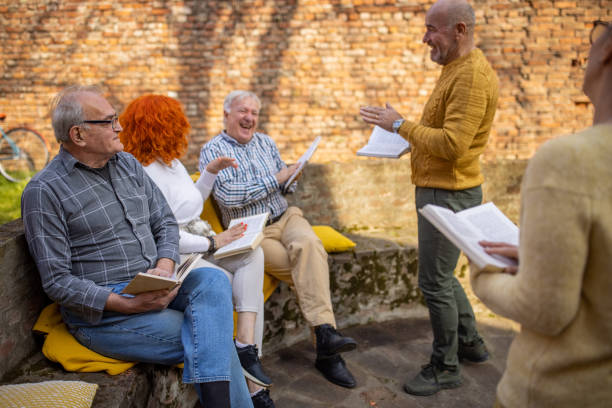
To ensure the sustainability of events, NGOs establish relations with local commercial organizations, cultural organizations, and governments. The money is contributed by sponsors, performers, or venues by community groups. With such partnerships, the role of NGOs in organizing cultural events for seniors will take root, making events well organized and influential.
Reach expansion through technology.
In our current digital society, other events that are brought online by NGOs include cultural events. At their homes, seniors will be able to participate in online concerts, workshops, or even storytelling. This strategy was quite significant in regard to limited meetings. The role of NGOs in organizing cultural events forseniors goes beyond making sure that they are digitally included in issues of organizing cultural events so that they are included anywhere.
Preservation and Delineation of Cultural Remembrances.
The events are frequently documented in communities and various social media or online databases by NGOs. Such details enable the family and the community to re-experience and enjoy the culture. Through this, the role of NGOs in organizing cultural events for seniors involves support of legacies that would otherwise be lost.
General Tribal Achievements across the Region(s).
NGOs have reshaped the lives of senior people by sponsoring cultural events in many countries. The rural non-governmental organizations are marketing folk festivals, where the elders instruct on folk songs. The urban NGOs form art exhibitions of senior artists. The above-discussed examples emphasize that the role of NGOs in the organization of cultural events among seniors is different in various settings, yet it imparts the same sense of pride and attachment.
Conclusion about Role of NGOs in Organizing Cultural Events for seniors
The NGOs’ role in the organization of cultural events among the seniors is varied. They highlight the needs, create non-discriminative programs, maintain the traditions, and create the relation among generations. NGOs also support the bone strength of the community, reduce isolation, and increase the well-being of seniors by encouraging their involvement. These events in our culture make us remember that the aged are a reservoir of valuable knowledge and creativity that cannot be overlooked. Through the prevailing NGO assistance, growing old becomes a lesson of celebration, oneness, and ethnic pride. Role of NGOs in Organizing Cultural Events for seniors
FAQs about Role of NGOs in Organizing Cultural Events for seniors
What kind of cultural activities not organized by the NGOs do the seniors have?
They hold music performances, classes, arts, narrative discussions, food festivals, and events to showcase traditions and get seniors engaged.
What are the ways in which the NGOs provide the elderly with an opportunity to visit and enjoy cultural events?
They deliver transport, choose available locations, and make general programs that address the needs of elderly individuals with diverse abilities.