Senior Citizen Care Homes Supported by NGOs
The number of the elderly in India is increasing by the year. As their lifespan increases and their families evolve, a large number of older adults become lonely, unhealthy, and unattended. The aged used to live in joint families but nowadays most of the aged individuals are living without families. It is in this area that Senior Citizen Care Homes Supported by NGOs are significant. The homes offer protection, comfort, health services, and emotional support to elderly citizens who would otherwise find it hard to cope without support. In contrast to commercial old-age homes, the care homes financed by NGOs are compassionate, dignified, and affordable. They combine social service and professionalism so that older people may enjoy the last years of their lives in peace and honor. In order to comprehend how these homes operate and why they are necessary, we will have to discover their background, services, and long-term effect.
The reason why Senior Citizen Care Homes are required.
There are over 140 million elderly people in India. Most of these people live with chronic health conditions like heart disease, diabetes or arthritis. There are others who have mental problems such as depression or dementia. The increasing healthcare expenses and failure to find support in the traditional family set many seniors in a vulnerable position. Also urgent issues are elder abuse, neglect, and loneliness. There are schemes run by the government but these do not always reach the entire population. Senior Citizen Care Homes Supported by NGOs fill the gap by providing safe spaces where the elderly can live dignified lives. These houses are not shelters only. They are places where elderly people are taken care of, given medical assistance and companionship.
NGO experience in Elderly Care.
NGOs dealing with elderly people are usually decades in operation. Social workers, doctors or philanthropists who witnessed the plight of abandoned or neglected elders started many of them. They have the experience that enables them to develop care homes that address both physical and emotional needs. In the case of the NGOs, an example of this would be the seniors feeling more at home as some of the NGOs provide homes that resemble and feel like traditional Indian homes. Others channel their experience to offer special dementia wards, physiotherapy centres or palliative care. This experience is what creates the distinction between Senior Citizen Care Homes Supported by NGOs and a normal old-age facility. They are constructed knowing, forbearance, and sympathy.
Knowledge of Elderly Support Services.
Operating a senior care home needs a special expertise. The NGOs have trained caregivers, nurses, counselors, and nutritionists. They develop routines that incorporate healthy eating, exercise, and socializing on a daily basis. Physiotherapy on mobility, yoga as a form of relaxation, and preventive medical checks are some of the physiotherapy offered at homes. Other NGOs even invite doctors and specialists once in a while. With their experience, seniors do not only live longer but also live well. These homes give care above physical health. They help maintain psychological health with counseling, spirituality and peer support groups. This experience is why families employ Senior Citizen Care Homes Supported by NGOs throughout the nation.
Authority in Elder Care.
Some NGOs have gained good reputations as leaders in the care of the aged over time. Government bodies consult them, invite them to policy consultations, and are identified by international agencies. Other organizations tend to copy their models and imitate them. The power is the continuity in service and establishing a track record. Families who leave their loved ones in these homes pass around good word-of-mouth. They are often helped by local communities in the form of donations and volunteering. It is credible that Senior Citizen Care Homes Supported by NGOs are not institutions but esteemed experts in the elder welfare industry.
Developing Relationships with the Elderly and with Families.
The care of the elderly is based on trust. The elderly should be made to feel secure, and families should be assured that their relatives are being looked after. This trust takes years to develop with NGOs. They maintain transparency of their work by updating their families, allowing them to visit their work, and engaging communities in decision-making. The caregivers are sensitized to treat elderly people with respect, patience and kindness. This trust helps to motivate families that may not have been keen on leaving their elders in a care home. The trust of the elderly and their families is gained by establishing a culture of integrity and caring at Senior Citizen Care Homes Supported by NGOs.
Plantations in NGO-Senior Homes.
These homes are made to incorporate comfort and care. The simplest of facilities are clean rooms, healthy meals and 24-hour caregivers. A lot of homes have medical rooms with nurses, physiotherapy spaces, libraries, prayer halls and gardens where one can relax. Recreational amenities such as TV rooms, music groups, hobby clubs ensure the seniors are occupied. Certain households also commemorate festivals, birthdays and culture to generate happiness and a sense of belonging. This homey environment makes care homes a real community where the elderly feel appreciated. These facilities emphasize the way in which Senior Citizen Care Homes Supported by NGOs can help in the day-to-day life.
Senior Healthcare.
One of the largest concerns of the elderly is health. The NGO backed care homes offer frequent health checkups, emergency services and easy access to hospitals. Most houses are working with local physicians or hospitals in order to have specialized treatment. Advanced facilities provide chronic illness care, dementia services, and palliative services. Awareness programs on preventive care, diet and exercise are also run in homes. Seniors are provided with full healthcare with trained medical personnel and access to medical resources. This is a good medical reason why Senior Citizen Care Homes Supported by NGOs are absolutely needed in the modern society.
Emotional/Social Support.
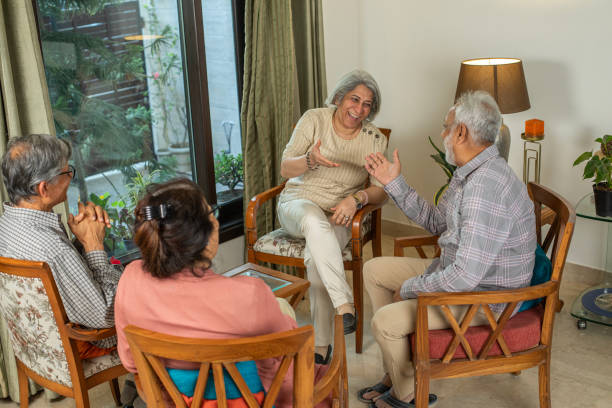
Seniors need physical health as much as they need loneliness. NGO-supported care homes place a lot of emphasis on social and emotional well-being. Seniors are kept in-shape and in touch through group activities, counseling sessions and cultural programs. Peer companionship decreases isolation. There are also some NGOs that promote intergenerational activities in which school children visit the residents and spend time together. Such relationships are joyful and fulfilling. One of the pillars of Senior Citizen Care Homes Supported by NGOs, which demonstrates that care is heart-based as well as health-based, is emotional support.
Women-Centric Senior Care
Most women of old age are experiencing special difficulties. Women widows or childless tend to be more neglected and poor. NGOs are aware of this and operate women-centered old age homes. Such homes are safe, can offer vocational training where appropriate and support groups of women to exchange experiences. Women living there tend to create their own communities that are united like families. Another approach to social realities is to highlight gender-specific needs.
Affordability of NGO Care Homes.
Cost is another motivating factor in seniors opting to live in the homes supported by NGOs. NGO homes do not necessarily require high charges like the private old-age homes because they are usually funded by donations or grants or Corporate Social Responsibility. They provide reduced or no-cost care to elderly people who are unable to pay. They can be made available to the poorest of elders through transparent funding practices. Being affordable means that Senior Citizen Care Homes Supported by NGOs, covering a larger population and leaving the vulnerable seniors without homes.
Community and Volunteer role.
NGOs depend on the involvement of communities. The volunteers contribute greatly in companying, planning events and fund-raising. Homes are frequently visited by college students, professionals, and people living in the area to spend time with seniors. Societies give food, clothing, medicines, and money. This participation not only maintains the care homes, but also enhances social ties. Community care transforms institutions into communities- they become common responsibilities.
Problems of the NGO Care Homes.
It is not easy to operate care homes. Some of the challenges that the NGOs face include the lack of finances, lack of trained personnel, and the rising pressure. Old-age homes are also not considered by the family due to stigma about the homes. Hospital emergencies involve complex facilities that are very expensive to maintain. The NGOs persist in their activities despite such challenges and remain resilient and creative. They establish partnerships, train local caregivers, and change tactics to ensure the continuity of the services. These are obstacles that can only be conquerable to demonstrate the willpower Senior Citizen Care Homes Supported by NGOs.
Long-Term Impact on Society
These care homes affect more than just individual lives. They encourage a culture of respect and accountability to older people. They encourage the youth to appreciate intergenerational relationships. They make the society more stable by decreasing the number of homeless and neglected elderly people. Their achievement also makes governments spend more on the elderly. Over time, Senior Citizen Care Homes Supported by NGOs will help to create a more humane and equal society.
Technology in Elder Care
Senior care is being introduced to modern technology. Digital health records, telemedicine and emergency alert systems have become a foundation of NGO-supported homes. The elderly learn to use smartphones, video calls, and the Internet to maintain contact with families. Technology simplifies health monitoring and minimizes the sense of isolation. In a move towards innovativeness, Senior Citizen Care Homes Supported by NGOs demonstrate that they are able to reconcile tradition and modernity.
Senior Citizen Cares homes in India.
The future is challenging and promising at the same time. As the elderly population is likely to increase by two folds in the upcoming decades, the number of care homes will be increasingly demanded. NGOs are planning to do so by acquiring bigger premises, educating new employees and implementing sustainable financial structures. Alliances with governments, corporations, and other global organizations will be significant. As models of care change, Senior Citizen Care Homes Supported by NGOs will remain the core of the elderly welfare in India.
Conclusion
Not only is caring about the aged a social responsibility. It is human action that determines the worth that the society holds. Senior Citizen Care Homes Supported by NGOs demonstrate how compassion, knowledge, and trust have the potential to change lives. Through healthcare, companionship and dignity, these homes will help older people to live their final years in peace and dignity. They demonstrate that growing old is not something to be neglected but something to rejoice over a life well lived. Investing in NGOs operating these homes is not charity, but it is an investment in the future where every senior will live with security and love.
FAQs
How can families contribute to NGO senior care homes?
Families can also help by donations, volunteering and creating awareness regarding the services provided. There are no small contributions to maintain the homes.
Are the care homes funded by NGOs open to seniors of all origins?
Yes. The homes operated by most NGOs accept the seniors without being prejudiced by their caste, religion, or economic status but by need and vulnerability.